


From Idea to Shelf: The Complete Process of Cosmetic Product Development
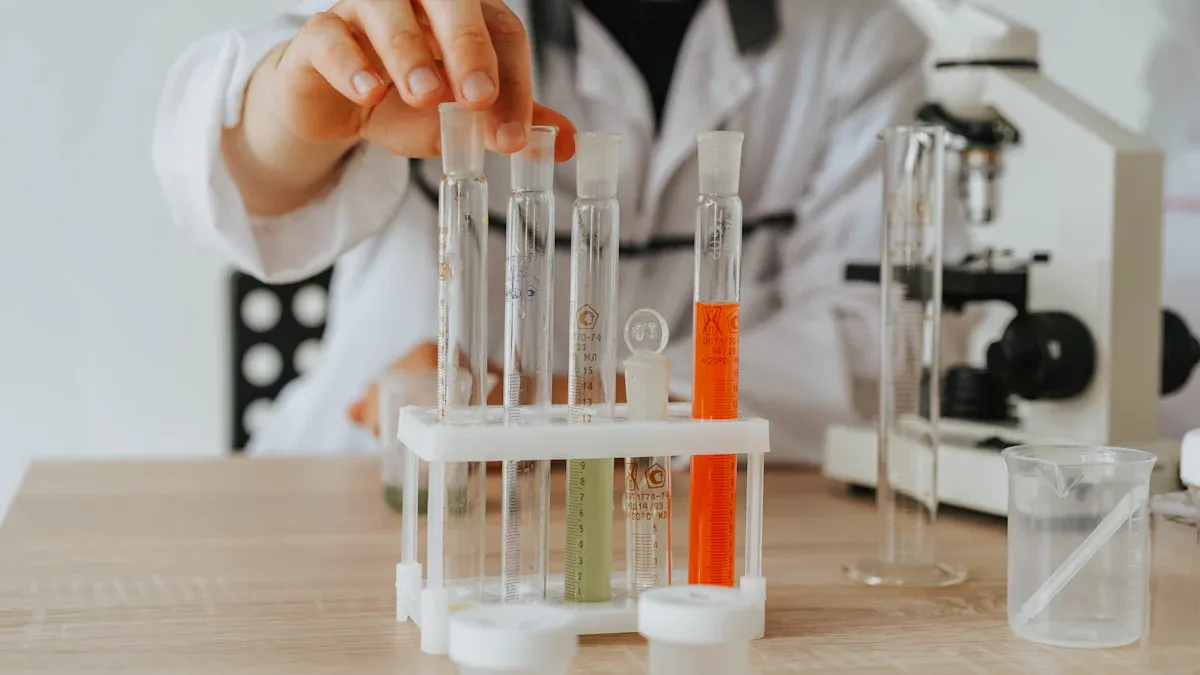
You want to embark on cosmetic product development that is truly special. Success begins with a clear idea and thorough research. It’s essential to focus on safety, quality, and adherence to regulations. Being creative is key to developing products that people desire. Many new companies face challenges such as stringent regulations, high costs, and the need for transparency. The table below outlines common challenges encountered in cosmetic product development.
Challenge Type | Description |
|---|---|
Regulatory Compliance and Safety | Governments impose strict safety regulations and require meticulous testing. |
Sustainability and Environmental | Customers increasingly demand eco-friendly packaging and ethical sourcing, which can drive up costs. |
Market Dynamics and Consumer Behavior | Consumers seek products tailored specifically for them, necessitating rapid innovation. |
Competition and Brand Differentiation | With numerous brands vying for attention, your narrative and innovative ideas must be distinctive. |
Key Takeaways
Begin with a clear idea. Do research to make sure your cosmetic product is safe and good quality.
Learn about your target audience. Use surveys and social media to find out what they like and need.
Make a strong business plan. Show your brand vision, market study, and ways to get money. This helps bring in investors.
Test your product and make sure it is safe. This helps customers trust you and follows rules like those from the FDA.
Use good marketing plans. Try digital tools and listen to customer feedback. This helps people stay loyal to your brand and makes your products better.
Brand Vision & Research
Brand Mission & Values
You start your cosmetic brand by choosing your mission and values. A strong mission statement, like “Beauty Only Worry Away,” shows you care about being real and making good products. Top brands work hard to:
Help customers feel special
Celebrate wins with their team
Own up to mistakes
Make strong partnerships
You must promise great products by picking the best ingredients. You should use honest and fair methods at every step.
Target Audience & Needs
Knowing your audience helps you make things they want. You can try different ways to learn what your customers like and need.
Method | Description |
|---|---|
Online surveys | Use websites like SurveyMonkey to ask customers questions. |
Focus groups | Meet with small groups to talk about new ideas. |
Customer interviews | Speak one-on-one with loyal customers to hear their thoughts. |
Social listening | Watch online chats to see what people say about beauty. |
Website analytics | Use tools like Google Analytics to see how people use your site. |
Social media metrics | Check likes and comments to see what people enjoy. |
Competitor & Market Analysis
You need to learn what other brands do well and where you can be different. Many brands use NielsenIQ and Similarweb to check sales and website visits. Artificial intelligence helps you gather facts and guess future trends. Real-time alerts tell you about changes in the market. Teamwork tools help your group plan together. People now care more about ingredients, values, and ethics than price. Fast changes and new tech, like AI and AR, help brands keep up.
Industry Trends & Opportunities
You notice new trends in cosmetics every year. More people want organic, vegan, and earth-friendly products. Brands use AI to give personal beauty tips. Social media stars and famous people help products get noticed. Customers want safe and clear choices. Many brands now sell online and use subscription boxes to keep customers coming back. Making new products and standing out is still very important.
Business Planning & Funding
Business Model & Plan
You need a good plan for your cosmetic brand. This plan helps you stay on track. It also shows investors you are ready. A strong plan has important parts:
Executive Summary
Company Description
Market Analysis
Organization and Management
Product Line and Services
Marketing and Sales Strategy
Funding Request
Financial Projections
Exit Strategy
Each part helps you know what to do next. For example, market analysis helps you learn about other brands. Your marketing plan explains how you will find customers. You can change your plan as your brand grows.
Funding & Resources
You need money to start a cosmetic brand. There are many ways to get funds. Some people use their own savings. Others ask family or friends for help. Many new brands look for investors. Here are some ways to get money:
Angel Investors
Venture Capital
Startup Incubators or Accelerators
Bank Loans and MSME Schemes
Investment Banking Services
You can also try crowdfunding or work with other brands. Most skincare brands need between ₹10 lakhs and ₹50 lakhs to begin. You will spend money on making products, branding, your website, stock, and ads. Make a budget so you do not run out of money.
Workspace & Operations
Your workspace is important for your brand. You should use new testing tools to check product safety and quality. Train your team often so everyone does their job well. Look at your work steps often to make them better.
You can follow these tips:
Use good ingredients and trusted formulators.
Listen to customer reviews to build trust.
Pick eco-friendly and fair ways to work.
Spend money on nice packaging and pictures.
Make choices using data.
A strong quality system keeps your products safe and good. You can ask experts to check your system for extra safety.
Cosmetic Product Development Process

Formulation & Ingredients
You begin by making a plan for your project. You decide what you want your product to do. You look at other good products for ideas. This helps you see what people like.
Here are the main steps you take when making a new formula:
Write down your project plan and set goals.
Study top products to get ideas.
Make your first formula idea.
Create a sample of your product.
Test and change the sample until it is right.
Pick packaging that matches your product and brand.
Test if your product and packaging work well together.
You pick ingredients that are safe and work well. You check if each ingredient is safe for skin. You make sure your ingredients fit your brand values. You also check if the ingredients mix well together. You keep your formula simple and do not use extra chemicals. This helps you make a safe and good product.
Tip: Always write down your ingredients and formulas. This keeps you organized and helps you follow safety rules.
Product Testing & Safety
Testing is very important in cosmetic product development. You must make sure your product is safe for everyone. You check each ingredient and the finished product. You also see how your product lasts over time.
Here is a table that shows the main things you check for safety and quality:
Criteria | Description |
|---|---|
Ingredient Safety | You make sure each ingredient is safe to use. |
Finished Product Safety | You test the final product for any risks. |
Risk Assessment Process | You look for dangers, check how much people use, and see if there is any risk. |
Systemic Effects Consideration | You study how ingredients might affect the body and check the safety margin. |
Quality Specifications | You check how your product looks, feels, and if it stays good. |
You follow steps to test your product. Here are the main steps:
Step | Description |
|---|---|
1 | You study each ingredient’s chemical facts and check for bad stuff. |
2 | You look at all safety information about the ingredients. |
3 | You check if the formula stays clean and stable. |
4 | You measure how much and how often people will use it. |
5 | You figure out safety margins to make sure it is safe. |
6 | You watch for problems after the product is sold. |
7 | A safety expert gives the final okay. |
You must also follow important rules during cosmetic product development:
In the U.S., the FDA checks that your product is safe, stable, and labeled right.
In the EU, you must follow rules like Regulation No (EC) 1223/2009 for safety and packaging.
You need to use safe packaging, especially if it has recycled plastics.
You must follow the Packaging and Packaging Waste Regulation (PPWR).
Note: Testing does not stop after your product is sold. You keep checking your product to make sure it stays safe and good.
Customization Options
Many people want products made just for them. You can give choices for different skin types, tones, and needs. About 80% of people say they like brands that offer personal experiences. Personalized products can work 15-30% better than regular ones.
You can give your customers these choices:
Perfect shade matching for makeup, using tools to find the best color for their skin.
Special formulas for different skin types, like oil-free creams for oily skin or rich creams for dry skin.
Personalized routines, where quizzes or tools suggest the best products for each person.
For example, if someone has oily, acne-prone skin, you can suggest oil-free, mattifying moisturizers and gentle cleansers. This helps them avoid products that may cause breakouts.
Tip: Ask your customers about their skin problems and what they like. Use this to suggest the best products for them.
Cosmetic product development works best when you focus on safety, quality, and customer experience. You build trust by testing your products well and giving choices that fit your customers’ needs.
Regulatory Compliance
Global Regulations (FDA, CPNP, GMP)
You have to follow rules when making cosmetics. Each country has its own laws. The United States and the European Union use different systems. Many other places have their own rules too. Here is a table that shows how the main regulations are different:
Regulation | Key Requirements | Responsible Person | Safety Assessments |
|---|---|---|---|
FDA (USA) | Rules are less strict, no approval needed before selling (except OTC) | No one is required | You need safety documents |
CPNP (EU) | Rules are strict, you must notify before selling | You need a Responsible Person for every product | You must have Cosmetic Product Safety Reports (CPSR) |
GMP | You must follow quality rules | Someone checks if you follow the rules | Safety checks and labels are required |
The FDA lets you sell most cosmetics without approval first.
The CPNP in the EU wants you to tell them before selling.
The EU says you need a Responsible Person for each product.
Safety checks are tougher in the EU than in the US.
Documentation & Safety Assessments
You must keep records for every product you make. In the EU, you need a Cosmetic Product Safety Report (CPSR). This report has two main parts: safety facts and a safety check. It shows your product is safe for people.
Requirement | Description |
|---|---|
Product composition | List all ingredients and how much you use. |
Physical-chemical properties | Show your product stays the same and does not change. |
Microbiological quality | Prove your product is clean and has no germs. |
Impurities and trace materials | Check for bad chemicals or problems with packaging. |
Toxicological profiles | Study if each ingredient is safe. |
Exposure | Show how much people use each ingredient. |
Side effects | List any risks or problems you know about. |
A good safety check keeps your customers safe. It also helps people trust your brand.
Labeling & Claims
You must label your products in a clear and honest way. In the EU, rules say your claims must be true and proven. If you say “dermatologically tested,” you need real test results. In the US, you do not need FDA approval for labels. But your claims must be honest and backed by science. If you say your product treats a disease, it is a drug and needs special approval.
Tip: Always check your claims and labels before selling. This helps you avoid legal problems and builds trust with your customers.
Branding & Packaging

Visual Identity & Tone
You make your brand’s look by picking colors, logos, and designs. These should match what your brand wants to say. A strong look helps people remember your products. Your packaging and online pictures should always look the same. This makes it easy for people to spot your brand. The table below shows what makes a good visual identity for a cosmetic brand:
Element | Description |
|---|---|
Consistency | Use the same logos, colors, and fonts on all your products and ads. |
Engaging Design | Create packaging that looks good and shows your brand’s style. |
Eye-catching Packaging | Pick bold colors or unique shapes to stand out on shelves or online. |
Reflecting Brand Personality | Make sure your packaging feels right for your target customers. |
Social Media Graphics | Use your brand’s look in your online posts and ads. |
Your brand’s tone should fit its personality. If your brand is fun, use bright colors and playful words. If you want to look serious, pick simple designs and clear words.
Packaging Choices
There are many ways to package your cosmetics. Many people now care about the environment. You can pick packaging that is better for the earth. Here are some popular choices:
Biodegradable packaging, like plant-based plastics and compostable materials.
Refillable and reusable containers that customers can use again.
Custom eco-friendly packaging for all product types.
Bamboo, which is renewable and breaks down naturally.
Glass, which you can recycle and use for liquids.
Metal, such as aluminum or stainless steel, which you can reuse and recycle.
Cornstarch-based packaging, which comes from plants and breaks down easily.
Seaweed packaging, which is edible and dissolves in water.
🌱 Tip: Using eco-friendly packaging can help you get more customers and show you care about the earth.
Professional Design
You can get help from professional designers to make your brand look great. Designers know how to make packaging that stands out and fits your brand. The table below explains why working with a professional designer helps:
Benefit | Description |
|---|---|
Expertise | Designers understand the technical side of packaging and know what works best. |
Experience | They have worked with many brands and can guide you to make smart choices. |
Artistry | Designers use their creative skills to make your packaging unique and eye-catching. |
A designer helps you choose the best colors, fonts, and layouts. You get packaging that looks nice and works well for your products. This helps your brand get noticed in a busy market.
Manufacturing & Quality Control
Production Setup
You need a clear plan to set up your cosmetic production. Start by defining your brand vision and knowing your target market. Next, develop and test your product to make sure it is safe and works well. When you are ready, scale up production. This means you will weigh, mix, and package your product in larger amounts. Always check your products with strict tests and inspections. Follow all industry rules to keep your customers safe. Finally, launch your product in the market and make sure it matches your brand’s promise.
Here are the main steps for setting up your manufacturing process:
Define your brand vision and target market.
Develop and test your product formula.
Scale up production with proper equipment.
Use quality control checks at every stage.
Follow all safety and regulatory rules.
Launch your product to customers.
Supplier Partnerships
Choosing the right suppliers is very important. You should research each manufacturer’s credentials and production skills. Visit their sites to see how they work. Negotiate terms like minimum order size, price, and delivery time. Set clear standards and use a supplier scorecard to track how well they perform. Review their work often to make sure they meet your needs.
A supplier with money problems may stop production or go out of business. Always check their financial history before you sign any deals.
You can work with industry leaders and follow best practices by setting clear standards. This helps you keep up with market changes and safety rules.
Quality Control Protocols
You must use strong quality control steps to keep your products safe and consistent. Start by choosing reliable ingredients. Test each ingredient to make sure it is pure and free from harmful substances. Check for germs with microbiological tests. Follow Good Manufacturing Practices (GMP) to keep your products clean and safe. Train your team well and keep your workspace clean.
Test ingredients for purity and safety.
Check for harmful microorganisms.
Follow GMP standards for every batch.
Audit and inspect your process often.
Have a recall system ready for any problems.
Stay updated with rules from agencies like the FDA and EMA. Regular checks and strong protocols help you build trust and deliver safe products every time.
Distribution & Launch
Channel Selection
You need to pick the best way to sell your products. Each way has good points and some problems. The table below helps you compare choices:
Distribution Channel | Benefits | Challenges |
|---|---|---|
Direct Sales | You talk to customers yourself | You must work hard to market |
Retail Partnerships | You reach many customers fast | You depend on how stores do |
International Markets | You can find more buyers | You must learn new rules and cultures |
Direct sales help you know your customers better. Retail partnerships let you sell to more people quickly. Selling in other countries helps you grow, but you need to learn new rules.
Logistics & Inventory
You need a plan to move products from the factory to buyers. Good planning keeps your business working well. Here are some ways to help:
Use smart tools to guess what people will buy.
Try just-in-time inventory to save money on storage.
Work with more than one supplier to avoid delays.
Split your stock for different product types.
Watch your supply chain from start to finish.
Check your products before you send them out.
Use packaging and shipping that is good for the earth.
Keep track of stock in all your selling places.
Watch important numbers to make things better.
Get ready for busy times by planning early.
Use machines to help with inventory jobs.
Teach your team how to solve delivery problems.
Make a plan for emergencies in your supply chain.
Listen to customers to help decide what to keep in stock.
Tip: Technology helps you follow orders, manage stock, and handle returns fast.
Launch Campaigns
A good launch campaign makes your product stand out. You can use different ideas and tools to reach people. The table below shows important parts of a launch:
Component | Description |
|---|---|
Advertising | Use ads online and offline to show your brand. |
Teaser Campaigns | Give hints and sneak peeks to get people excited. |
In-store Promotions | Use displays and samples to teach customers about your product. |
Influencer Partnerships | Work with influencers to reach more people and build trust. |
Pre-Launch Engagement | Watch how people react and use their feedback to improve your launch. |
You can give samples so customers can try before buying. This makes them feel special and helps them trust your brand. Use emails, social media ads, and pop-up events to reach more people.
Remember: Always listen to what customers say after your launch. Use their ideas to make your next product even better.
Marketing & Customer Engagement
Digital Marketing Strategies
You can find more customers by using smart online marketing. Personalized content helps you talk to people in different places. Segmentation lets you send messages to groups with similar interests. This often helps you sell more. Direct messages let you share news and deals fast. Make your website easy to find in local searches and in different languages. Make sure your website looks good on phones. AI-powered tools like chatbots and recommendation engines give each person a special experience. Working with influencers helps people trust your brand and gets more people interested. When customers share photos and reviews, it shows others your products are good and builds a community.
Product Descriptions & Visuals
Clear product descriptions and good pictures help shoppers choose. You can use short descriptions to show what makes your product special. A creative gallery with many types of models lets people see how the product works for everyone. Adding FAQs answers common questions and helps shoppers feel sure. The table below shows how good descriptions and pictures help sales:
Benefit | Description |
|---|---|
Social Proof | Shoppers can see many reviews with one click. |
Visual Sense | Mini descriptions create a clear picture for shoppers. |
Inclusive Gallery | Diverse images make products self-explanatory and relatable. |
Clinique uses photos of real people in normal places. These pictures help customers imagine using the products themselves.
Customer Service
Great customer service makes people want to come back. You should listen to every customer and give them help that fits their needs. Send updates about orders so customers always know what is happening. Pay attention to small details to fix problems fast. Give clear lists of ingredients and where they come from to build trust. Easy returns make people feel safe when they buy. The table below shows good customer service steps:
Customer Service Practice | Description |
|---|---|
Personalized Service | Help each person with advice that fits them. |
Proactive Engagement | Give updates and make customers loyal. |
Attention to Detail | Listen and fix problems with special care. |
Feedback Collection
You can make your products better by asking for feedback. Ask customers to tell you what they think and share photos. Encourage people to send in their own stories to build a strong group. Show real before-and-after photos to prove your products work. A return policy that is easy to use helps people feel good about trying new things. Use what you learn from feedback to improve your products and give customers what they want.
Industry Benchmarks & Support
Top Manufacturers
It is important to know who the top manufacturers are. These companies set high standards for safety and quality. They also bring new ideas to the industry. Most have many years of experience and a good name. When you pick a manufacturer, look for these things:
Certifications: GMP, ISO, and cruelty-free badges mean they care about quality.
Experience: Older companies can fix problems quickly.
Innovation: The best use new technology and follow trends.
Transparency: Good partners tell you about their ingredients and how they work.
Here is a table with some famous cosmetic manufacturers:
Manufacturer | Specialty | Location |
|---|---|---|
Kolmar Korea | Skincare, Makeup | South Korea |
Intercos Group | Color Cosmetics | Italy |
VVF India | Soaps, Personal Care | India |
Mana Products | Custom Formulations | USA |
Fareva | Full-Service Solutions | France |
Tip: Try to get samples and visit the factory if you can. This helps you check their quality and see how they work.
Private Label Options
Private label lets you start your brand fast. You choose from ready-made formulas and add your own label. This saves you time and money. Many new brands use this method.
Private label gives you these benefits:
Lower minimum order amounts
Quicker launch times
Formulas that are already tested
Choices for custom packaging
Some private label companies let you change the formula or packaging. You can pick scents, colors, or add special ingredients.
Note: Private label is good if you want to try out the market or have a small budget. You can move to custom manufacturing when your brand gets bigger.
You now know the key steps to take your cosmetic idea from concept to shelf. Stay consistent with your vision and always put safety first. Keep learning and adapt to new trends. Listen to your customers and let creativity guide you. Ready to begin? Start your research or reach out to expert partners today.
Tip: Small steps each day will help you build a strong and trusted brand.
FAQ
What is the first step in creating a cosmetic product?
You start by deciding what your product will do. Write down your idea and goals. Research what customers want. Study other products to see what works well.
How do you make sure your cosmetic product is safe?
You test every ingredient for safety. You check the final product for problems. You follow rules from groups like the FDA. You keep testing even after you sell your product.
Tip: Always ask experts to review your safety tests.
What documents do you need before selling cosmetics?
Document Type | Purpose |
|---|---|
Safety Report | Shows your product is safe |
Ingredient List | Lists everything inside |
Label Proof | Confirms claims are honest |
You keep these documents ready for checks.
Can you launch a cosmetic brand with a small budget?
Yes, you can start with private label products. You choose ready-made formulas and add your brand name. This saves money and time. You can grow and create custom products later.




Add comment