

Cosmetics OEM ODM Factory: Complete Guide to Custom Private Label Skincare Production (2026)
Launching a private label skincare brand requires more than just a great idea—it demands the right manufacturing partner. A cosmetics OEM ODM factory can transform your vision into market-ready products, but choosing the wrong partner can derail your entire launch. With over 2,500 monthly searches for reliable manufacturing solutions, emerging beauty brands are actively seeking partners who can deliver quality, flexibility, and innovation.
This comprehensive guide walks you through everything you need to know about working with a cosmetics OEM ODM factory, from understanding the key differences between OEM and ODM to evaluating manufacturers based on your specific business needs.
Understanding OEM vs ODM in Cosmetics Manufacturing
Before selecting a manufacturing partner, it’s essential to understand the fundamental difference between OEM (Original Equipment Manufacturer) and ODM (Original Design Manufacturer) services.
What is OEM in Cosmetics?
OEM manufacturing means the factory produces products according to your exact specifications, formulas, and designs. You maintain complete control over:
- Product formulation and ingredient selection
- Packaging design and materials
- Brand identity and positioning
- Quality standards and testing protocols
This approach works best for brands with established formulas or specific product visions that require precise execution.
What is ODM in Cosmetics?
ODM manufacturing offers a more turnkey solution where the factory provides pre-developed formulas and designs that you can customize with your branding. Benefits include:
- Faster time-to-market with proven formulations
- Lower initial development costs
- Access to the manufacturer’s R&D expertise
- Reduced risk with tested products
Most reputable private label skincare manufacturers offer both OEM and ODM services, allowing you to choose the approach that best fits your budget, timeline, and brand strategy.
Key Factors When Selecting a Cosmetics OEM ODM Factory
Not all manufacturing partners are created equal. Here are the critical factors to evaluate when choosing a cosmetics OEM ODM factory:
1. Minimum Order Quantity (MOQ) Requirements
MOQ can make or break a startup beauty brand’s budget. Traditional manufacturers often require 10,000-50,000 units per SKU, creating significant financial barriers for emerging brands.
Look for factories offering low MOQ skincare production—ideally starting from 1,000-3,000 pieces per product. This flexibility allows you to:
- Test market demand before committing to large inventory
- Launch multiple SKUs with limited capital
- Iterate on formulations based on customer feedback
- Manage cash flow more effectively
PZIK Cosmetics Factory, for example, offers MOQs starting from just 1,000 pieces, making professional skincare manufacturing accessible to startups and small brands.
2. R&D and Custom Formulation Capabilities
A custom skincare manufacturer should offer robust research and development support, including:
- In-house laboratories: For formula development and stability testing
- Experienced cosmetic chemists: Who understand ingredient interactions and skin science
- Trend awareness: Knowledge of emerging ingredients and consumer preferences
- Regulatory expertise: Compliance with FDA, EU, and international cosmetics regulations
Ask potential partners about their formulation process, ingredient sourcing, and whether they can create truly custom formulas or only modify existing ones.
3. Certifications and Quality Standards
Quality certifications demonstrate a factory’s commitment to safety, consistency, and regulatory compliance. Essential certifications include:
- GMP (Good Manufacturing Practice): Industry-standard quality management
- ISO 22716: International cosmetics manufacturing standard
- FDA registration: For products sold in the United States
- CPSR (Cosmetic Product Safety Report): Required for EU markets
- Organic certifications: COSMOS, USDA Organic, or Ecocert if relevant
These certifications aren’t just paperwork—they reflect manufacturing processes, cleanliness standards, and quality control systems that protect your brand reputation.
4. Production Capacity and Scalability
Your manufacturing partner should accommodate your current volume while supporting future growth. Evaluate:
- Current production capacity across product categories
- Lead times during peak and off-peak seasons
- Ability to scale from low MOQ to larger production runs
- Flexibility to add new product lines as your brand expands
The ideal factory grows with you, transitioning seamlessly from startup-friendly low MOQ production to high-volume manufacturing as your brand scales.
5. Sustainability and Ethical Practices
Modern consumers increasingly demand sustainable beauty products. Partner with factories that prioritize:
- Sustainable ingredient sourcing: Ethically harvested, renewable materials
- Eco-friendly packaging options: Recyclable, biodegradable, or refillable containers
- Water and energy conservation: Environmentally responsible production processes
- Waste reduction programs: Minimizing environmental impact
- Cruelty-free practices: No animal testing at any stage
PZIK integrates sustainable practices throughout their manufacturing process, offering brands the opportunity to align with consumer values while maintaining competitive pricing.
The Complete Product Development Process
Understanding the manufacturing timeline helps you plan launches and manage expectations. Here’s the typical journey from concept to finished product:
Phase 1: Consultation and Concept Development (1-2 weeks)
During initial consultations, you’ll work with the factory’s team to define:
- Product category and target skin concerns
- Desired ingredients and formulation preferences
- Texture, scent, and sensorial qualities
- Packaging style and budget parameters
- Regulatory requirements for target markets
A quality cosmetics OEM ODM factory will ask detailed questions about your brand positioning, target audience, and competitive landscape to create products that truly fit your market.
Phase 2: Formula Development and Sampling (3-6 weeks)
The R&D team creates initial formulations based on your specifications. This phase includes:
- Ingredient selection and compatibility testing
- Sample production for evaluation
- Adjustments based on your feedback
- Stability and safety testing
Expect 2-3 rounds of sampling before finalizing formulations. Rush services may be available for time-sensitive launches, though allowing adequate testing time ensures better final products.
Phase 3: Packaging Design and Prototyping (2-4 weeks)
Simultaneously with formula refinement, packaging development proceeds:
- Container selection (jars, bottles, tubes, airless pumps)
- Material choices (glass, plastic, sustainable alternatives)
- Label design and printing specifications
- Secondary packaging (boxes, bags, inserts)
Your private label skincare manufacturer should provide packaging mock-ups and physical prototypes before committing to full production.
Phase 4: Regulatory Compliance and Documentation (2-4 weeks)
Before production begins, complete regulatory requirements including:
- Ingredient disclosure and INCI listing
- Safety assessments and stability data
- Claims substantiation documentation
- Labeling compliance review
- Product Information Files (PIF) for EU markets
Experienced manufacturers handle much of this process, but you’re ultimately responsible for ensuring your products meet all applicable regulations.
Phase 5: Production and Quality Control (3-6 weeks)
Once approvals are complete, manufacturing begins:
- Bulk formula production with batch documentation
- In-process quality checks at critical control points
- Filling, packaging, and labeling
- Final product inspection and testing
- Preparation for shipment
Total timeline from initial concept to receiving finished goods typically ranges from 12-20 weeks, depending on complexity and customization level.
Popular Skincare Product Categories for Private Label
Most cosmetics OEM ODM factories specialize in specific product categories. Understanding which products align with market demand helps prioritize your launch strategy:
Facial Skincare
The largest segment in private label skincare includes:
- Cleansers: Gel, cream, oil, foam, and micellar water formulations
- Serums: Vitamin C, hyaluronic acid, retinol, and peptide treatments
- Moisturizers: Day creams, night creams, and gel-creams for various skin types
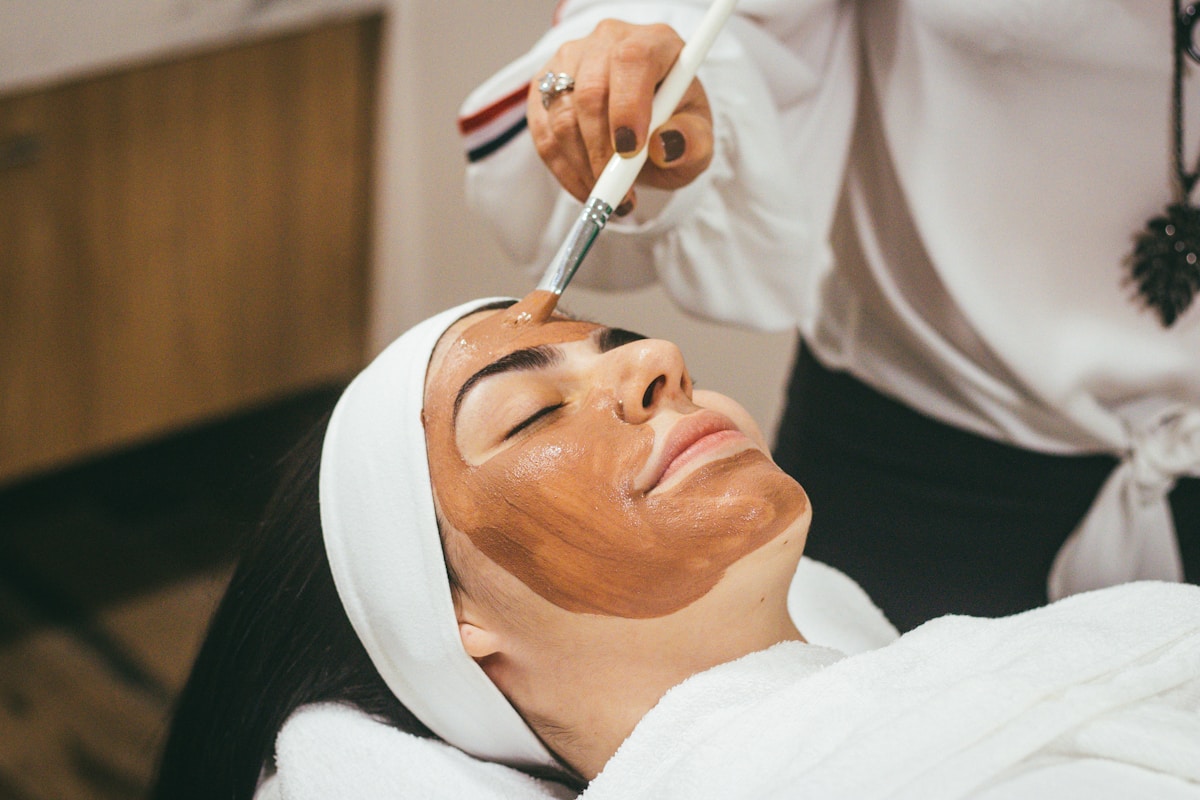
- Masks: Sheet masks, clay masks, peel-off, and overnight sleeping masks
- Eye care: Eye creams, gels, and patches targeting dark circles and fine lines
Specialized Treatments
High-margin specialty products include:
- Acne treatments: Spot treatments, clarifying serums, and blemish patches
- Anti-aging products: Retinol formulations, peptide complexes, and collagen boosters
- Brightening treatments: Vitamin C, niacinamide, and alpha arbutin products
- Exfoliants: AHA/BHA chemical exfoliants and gentle physical scrubs
Body Care
Expanding beyond facial skincare allows portfolio diversification:
- Body lotions and creams: Hydrating, firming, and specialty formulations
- Hand and foot care: Intensive treatments and daily care products
- Bath products: Bath salts, oils, and bubble bath formulations
- Sun care: Sunscreens, after-sun care, and self-tanners
When selecting products for your initial launch, consider starting with 3-5 complementary SKUs that address a specific skin concern or routine rather than trying to cover every category.
Cost Considerations and Pricing Structure
Understanding the cost components helps you budget accurately and price competitively:
Development Costs
- Formula development: $500-$5,000+ depending on complexity
- Packaging design: $0-$2,000 (many factories include basic design)
- Samples and prototypes: $100-$500 per iteration
- Regulatory documentation: $500-$3,000 per product
Some custom skincare manufacturers waive or reduce development fees when you commit to production minimums.
Production Costs
Per-unit costs vary significantly based on:
- Formula complexity: Simple moisturizers vs. advanced active serums
- Ingredient quality: Standard vs. premium or organic ingredients
- Packaging materials: Basic plastic vs. glass or sustainable packaging
- Order volume: Higher quantities reduce per-unit costs
For low MOQ skincare production (1,000-3,000 units), expect per-unit costs of:
- Basic moisturizer (50ml): $3-$7
- Serum with active ingredients (30ml): $5-$12
- Face mask (single use): $0.50-$2
- Premium anti-aging cream (50ml): $8-$15
Most successful brands target a 4-6x markup from production cost to retail price, allowing adequate margin for wholesale distribution while remaining competitive.
Additional Costs to Consider
- Shipping and logistics: International freight, customs, and duties
- Quality testing: Third-party lab testing for claims verification
- Minimum commitments: Some factories require deposits or minimum order values
- Storage: Warehousing if you can’t receive full shipments immediately
Questions to Ask Potential Manufacturing Partners
Before committing to a cosmetics OEM ODM factory, ask these critical questions:
About Capabilities
- What is your minimum order quantity for new clients?
- Do you offer both OEM and ODM services?
- How many custom formulations have you developed in the past year?
- What product categories are your specialty?
- Can you accommodate special requirements (vegan, organic, specific certifications)?
About Process and Timeline
- What is the typical timeline from concept to finished product?
- How many sample rounds are included in your development process?
- What happens if we’re not satisfied with the formula?
- Do you offer rush production services?
- How do you handle quality control and testing?
About Business Terms
- What are your payment terms (deposit percentage, payment schedule)?
- Do you charge development fees, and are they refundable?
- What is included in your quoted pricing?
- Do you offer warehousing or fulfillment services?
- What are your policies on formula ownership and exclusivity?
About Support
- Do you provide regulatory support for different markets?
- Can you assist with claims substantiation and testing?
- What ongoing support do you offer after launch?
- Do you have a dedicated account manager for each client?
- Can you provide references from current or past clients?
Red Flags to Watch For
Certain warning signs indicate a manufacturer may not be the right partner:
- Unwillingness to provide samples: Legitimate factories gladly share existing product samples
- No certifications or documentation: Quality manufacturers proudly display their credentials
- Pressure to commit quickly: Professional partners allow time for due diligence
- Vague answers about formulations: Experienced chemists can discuss ingredients knowledgeably
- Unusually low pricing: Rock-bottom prices often indicate compromised quality or hidden costs
- Poor communication: Responsiveness during sales reflects post-sale service quality
- No physical facility verification: Reputable factories welcome virtual or in-person tours
Why Choose PZIK as Your Cosmetics OEM ODM Factory Partner
PZIK Cosmetics Factory stands out as an ideal manufacturing partner for emerging beauty brands seeking quality, flexibility, and innovation:
Low MOQ Accessibility
With minimum orders starting from just 1,000 pieces, PZIK makes professional skincare manufacturing accessible to startups and small brands. This allows you to test products and build your brand without massive capital requirements.
Comprehensive R&D Capabilities
PZIK’s in-house research and development team specializes in creating custom formulations tailored to your exact specifications. From trending ingredients to innovative delivery systems, their chemists stay at the forefront of skincare science.
One-Stop Solution
From initial concept through finished product delivery, PZIK provides end-to-end support including:
- Custom formula development
- Packaging design and sourcing
- Regulatory compliance assistance
- Quality testing and certification
- Production and fulfillment
Sustainability Commitment
PZIK integrates sustainable practices throughout their manufacturing process, offering eco-friendly packaging options and ethically sourced ingredients that align with modern consumer values.
Quality Certifications
Fully certified with GMP, ISO 22716, and other international standards, PZIK ensures every product meets strict quality and safety requirements for global markets.
Flexible Partnership Models
Whether you need fully custom OEM development or prefer to customize existing ODM formulations, PZIK adapts to your specific business model and budget constraints.
Getting Started: Your Action Plan
Ready to launch your private label skincare brand? Follow these steps to move from concept to market:
Step 1: Define Your Brand and Product Vision
Before contacting manufacturers, clarify:
- Your target audience and their specific needs
- Product categories and initial SKU lineup
- Brand values and positioning
- Budget parameters and timeline expectations
- Target retail price points
Step 2: Research and Shortlist Manufacturers
Identify 3-5 potential cosmetics OEM ODM factory partners based on:
- Specialization in your product categories
- MOQ requirements matching your budget
- Certifications for your target markets
- Location and shipping considerations
- Online reviews and client testimonials
Step 3: Request Information and Samples
Contact shortlisted manufacturers with a clear brief including:
- Specific product ideas and quantities
- Desired ingredients or formulation preferences
- Packaging style and budget range
- Timeline for launch
- Any special requirements (certifications, claims, etc.)
Request samples of similar existing products to evaluate quality.
Step 4: Evaluate Proposals and Select Partner
Compare manufacturers based on:
- Pricing and value for investment
- Communication quality and responsiveness
- Timeline feasibility
- Flexibility and willingness to accommodate your needs
- Overall gut feeling about the partnership
Step 5: Begin Development Process
Once you’ve selected your private label skincare manufacturer:
- Sign agreements and submit initial deposits
- Participate actively in formula development
- Review and approve samples promptly
- Finalize packaging and regulatory requirements
- Approve pre-production samples before bulk manufacturing
Step 6: Plan Your Launch Strategy
While products are in production:
- Develop your brand website and e-commerce platform
- Create marketing content and social media presence
- Plan your launch campaign and promotional strategy
- Set up distribution channels (DTC, wholesale, retail)
- Prepare customer service and fulfillment processes
Common Mistakes to Avoid
Learn from others’ missteps when working with a custom skincare manufacturer:
1. Choosing Based Solely on Price
The cheapest manufacturer rarely delivers the best value. Low prices often indicate:
- Inferior ingredient quality
- Less rigorous quality control
- Limited customer support
- Hidden fees that emerge later
Focus on total value, including quality, service, and reliability, not just the lowest unit cost.
2. Skipping the Sample Phase
Never approve formulations without thorough testing. Use samples to evaluate:
- Texture, scent, and sensorial experience
- Efficacy on different skin types
- Stability over time and in various conditions
- Packaging functionality and aesthetics
3. Inadequate Regulatory Planning
Compliance issues can halt sales and damage your brand. Ensure:
- All ingredients are legal in target markets
- Claims are substantiated and permissible
- Labeling meets all regulatory requirements
- Required testing and documentation is complete
4. Underestimating Timeline
Product development always takes longer than expected. Build buffer time for:
- Formula iterations and adjustments
- Regulatory approvals and testing
- Production delays or quality issues
- Shipping and customs clearance
5. Poor Communication
Successful manufacturing partnerships require clear, frequent communication. Be explicit about:
- Your expectations and requirements
- Timeline constraints and deadlines
- Budget limitations and priorities
- Feedback on samples and prototypes
Future Trends in Private Label Skincare Manufacturing
Stay ahead of the curve by understanding emerging trends shaping the cosmetics OEM ODM factory landscape:
Personalization and Customization
Consumers increasingly demand products tailored to their specific skin needs. Forward-thinking manufacturers are developing:
- Modular formulations that can be customized
- Small-batch production for niche markets
- Technology integration for personalized recommendations
Clean and Transparent Beauty
The clean beauty movement continues growing, with emphasis on:
- Simplified ingredient lists
- Transparent sourcing and manufacturing
- Third-party verification of claims
- Sustainable and ethical practices
Advanced Active Ingredients
Skincare science continues evolving with innovations like:
- Biotechnology-derived ingredients
- Microbiome-friendly formulations
- Novel delivery systems for enhanced efficacy
- Clinically-tested active complexes
Sustainable Packaging Solutions
Environmental concerns drive packaging innovation:
- Post-consumer recycled materials
- Biodegradable and compostable options
- Refillable systems and concentrated formulas
- Minimalist, waste-reducing designs
Digital Integration
Technology increasingly connects products with consumers through:
- QR codes linking to educational content
- Smart packaging with usage tracking
- Augmented reality try-on experiences
- Blockchain for supply chain transparency
Conclusion: Launching Your Skincare Brand Successfully
Choosing the right cosmetics OEM ODM factory is one of the most critical decisions you’ll make as an emerging beauty brand. The ideal manufacturing partner doesn’t just produce products—they become a strategic ally in building your brand, offering expertise, flexibility, and support throughout your growth journey.
Success requires more than finding a factory with the lowest prices or fastest turnaround. Focus on partners who understand your vision, can deliver consistent quality, and offer the flexibility to grow with your brand. With low MOQ skincare production options now available, even startups can access professional manufacturing that was once reserved for established brands.
PZIK Cosmetics Factory exemplifies this new generation of manufacturer—combining technical expertise, sustainable practices, and startup-friendly minimums to help emerging brands transform their skincare visions into market-ready products. Whether you choose custom OEM development or prefer to adapt existing ODM formulations, working with the right partner makes the difference between a product launch and a brand success story.
Ready to start your private label skincare journey? Contact PZIK today to discuss your product ideas and discover how our one-stop manufacturing solution can bring your brand vision to life with quality, sustainability, and support every step of the way.






Add comment