Es befinden sich keine Produkte im Warenkorb.




A Complete Guide to Sourcing Beauty Products from China

When importing cosmetics from China, you will encounter many challenges. It’s essential to pay attention to the rules to ensure you do it correctly. Additionally, you must verify that your supplier is trustworthy. Checking the quality of the products is crucial. You should also consider the costs and how to effectively sell in your market. Careful planning and smart choices will help you avoid costly mistakes, ensuring that your products comply with all safety and legal regulations.
Wichtige Erkenntnisse
Learn the rules for bringing in cosmetics. Follow both Chinese and world standards. This helps you avoid problems at customs.
Pick suppliers you can trust. Find ones who give clear details. They should show certificates. They should let you visit their factory.
Test product samples before you buy a lot. This makes sure the products are safe and good. It helps you avoid big mistakes.
Keep up with what is popular in the market. Watch for new trends. Change your products to fit what people want.
Get all the needed papers ready. Having the right documents helps you get through customs faster. It keeps your business working well.
Regulations for Importing Cosmetics from China
If you want to import cosmetics from China, you need to know the rules. These rules help you avoid trouble with customs and safety. You must follow both Chinese and international standards. This makes sure your products get to your market without problems.
Chinese Regulatory Overview
China has strong rules for exporting cosmetics. Two main groups make these rules:
China Cosmetic Supervision and Administration Regulation (CSAR)
National Medical Products Administration (NMPA)
CSAR tells you how to keep products safe and label them. NMPA handles product registration and types. You must follow their rules to avoid problems.
Tipp: Always look for new updates from CSAR and NMPA before you start importing. Rules can change fast.
Product Classification and Registration
Chinese officials split cosmetics into two groups. You need to know which group your product is in before you register.
Category Type | Examples |
|---|---|
General | Standard cosmetics |
Special | Hair dye, sunscreen, whitening products |
Special cosmetics need more tests and harder registration steps. You must give lots of details when you register a new product. Here is what you need:
Requirement | Beschreibung |
|---|---|
Applicant Information | Name, address, and contact information of the registration applicant and manufacturer. |
Product Details | Product name, formula, or full product ingredients. |
Standards | Standards implemented by the product. |
Label Sample | Product label sample. |
Inspection Report | Product inspection report. |
Safety Assessment | Product safety assessment data. |
Registrant Qualification | Registrant qualification details. |
Get these papers ready before you apply. This helps you avoid waiting and makes sure your product fits Chinese rules.
Ingredient and Safety Standards
You must check what is inside your cosmetics. China, the FDA, and the EU have lists of allowed substances. You need to use only approved ingredients.
Aspect | FDA/EU Standards | Chinese Standards |
|---|---|---|
Regulation of Ingredients | Approved substances only | Approved substances only |
Testing Requirements | GMP and migration testing required | GMP and migration testing required |
Approval of Ingredients | Comprehensive list of approved ingredients | Some commonly used ingredients unapproved |
If you use an ingredient not approved in China, your product will fail inspection. You must also follow Good Manufacturing Practices (GMP) and show safety data.
Labeling and Packaging Rules
Labeling is very important when importing cosmetics from China. You must follow strict rules for language and what goes on the label.
Requirement | Article Reference |
|---|---|
Chinese language brand labeling | Article 3 |
Standard simplified Chinese characters | Article 6 |
Naming structure (brand, generic, attribute) | Article 8 |
Prominent display of Chinese name | Article 9 |
Mandatory label content (10 items) | Article 7 |
Packaging must also be safe and meet rules. You need to put your product in the right group, tell the authorities, and have the right papers. Here are the main packaging rules:
Requirement Type | Beschreibung |
|---|---|
Cosmetic Classification | Products must be classified as either general or special cosmetics. |
Product Notification | Compliance with the notification process is required for all cosmetics being exported. |
Labelling Requirements | Specific labelling guidelines must be adhered to, including ingredient lists and usage instructions. |
Packaging Standards | Packaging must meet safety and regulatory standards as outlined in the CSAR. |
Documentation for Testing | Proper documentation is necessary to prove exemption from animal testing for imported cosmetics. |
Anmerkung: If you do not follow these rules, customs can stop your shipment.
International Import Requirements
You must also follow the rules of the country you want to sell in. The United States, European Union, and ASEAN countries have their own rules. You need the right papers for customs.
Requirement | Beschreibung |
|---|---|
Definition and Scope | Defines what constitutes a cosmetic product. |
Negative List | Lists banned ingredients. |
Restricted List | Specifies limits on certain ingredients. |
Positive List | Permitted ingredients including colors and preservatives. |
Labeling | Requirements for product labeling. |
Product Claims | Guidelines for claims made about the product. |
Good Manufacturing Practices (GMP) | Standards for manufacturing processes. |
Product Information File (PIF) | Contains safety evaluations and ingredient lists. |
You may face some problems when importing cosmetics from China:
Compliance with the National Medical Products Administration (NMPA) classification system
Animal testing requirements for special cosmetics
Strict labeling and marketing regulations prohibiting certain claims
You must check each country’s rules before you ship. This helps you avoid problems and makes sure your products are legal.
Compliance Challenge | Beschreibung |
|---|---|
Regulatory Compliance | Importers must adhere to various regulations such as CPNP notification in the EU and FDA registration in the US. Failure to comply can lead to delays and penalties. |
Quality Variation | There is a significant difference in quality among manufacturers, with some using subpar materials. Importers should request samples and lab tests to ensure quality. |
Communication Difficulties | Misunderstandings can arise from unclear specifications, leading to production errors. Clear communication and planning are essential to avoid issues. |
Tipp: Always ask for samples and lab tests before you buy a lot. This helps you check quality and avoid mistakes.
Importing cosmetics from China takes careful work. You must get the right papers, check your ingredients, and follow labeling rules. If you plan well and keep learning, you can avoid problems and do well in your market.
Supplier Verification and Selection
Finding Reliable Suppliers
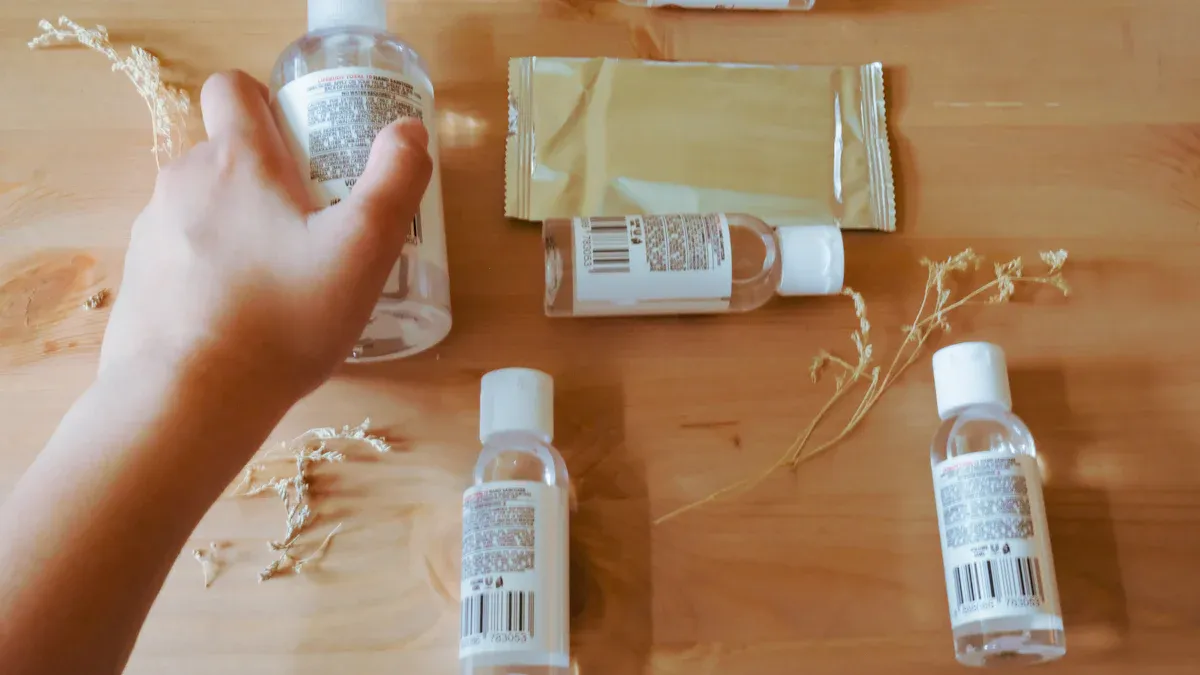
You should pick suppliers who meet your needs. Good suppliers answer fast and give clear replies. They share important papers and let you see their factories. Bad suppliers do not share details or stop talking when you ask hard things. Use this table to see the difference between good and bad suppliers:
Reliable Manufacturer | Risky Manufacturer |
|---|---|
Answers in one or two days with clear info | Gives unclear answers or does not reply for days |
Shares real GMP, ISO 22716, and NMPA papers | Does not share or fakes certificates |
Keeps quality the same and uses clear batch codes | Quality changes from one sample to another |
Lets you check factories and shows photos | Does not allow checks or makes excuses |
Knows export rules and gives needed papers | Does not know the rules |
Gives clear price lists | Gives very low prices or hides costs |
Takes normal payment terms | Wants all money before sending goods |
Uses correct labels and good materials | Labels have mistakes or look bad |
Helps with feedback and replaces bad products | Does not help after you pay |
Certification and Export Experience
When you buy cosmetics from China, check the supplier’s certificates. Good suppliers have important certificates that show they follow the rules. Look for these:
Certification | Beschreibung |
|---|---|
ISO 9001 | Shows they use a good quality system |
GMPC | Means they follow good manufacturing rules |
FDA | Shows they meet U.S. safety rules |
Halal | Means the product is okay for Muslims |
CE | Needed for products sold in Europe |
Suppliers with these papers know the rules and can help you export.
Building Supplier Relationships
Good relationships help you do well in beauty business. You build trust by being patient and learning about Chinese ways. Meeting in person makes your partnership stronger. Always talk clearly and often. Try to make deals where both sides win. Stay in touch, ask for updates, and check product quality. Good relationships with suppliers and sellers help you get better results.
Tip: Personal connections are very important in Chinese business. They help you fix problems faster.
Risk Management Steps
You need to manage risks when working with suppliers in other countries. Use a “China+1” plan by making some products in another country. This keeps your supply safe if there are problems. Always check the factory, watch how things are made, and look at goods before they ship. Write down all deals and product details. Good records help you fix problems and avoid mistakes.
Note: Doing these things lowers your risk and keeps your business safe.
Product Development and Selection
Private Label vs. Custom Formulation
When you import cosmetics from China, you have two choices. You can pick private label or custom formulation. Each choice has good and bad sides. The table below shows how they compare:
Aspect | Private Label Advantages | Private Label Disadvantages | Custom Formulation Advantages | Custom Formulation Disadvantages |
|---|---|---|---|---|
Turnaround Time | Fast, products ready quickly | Limited control over formula | Full control over formulation | Higher development and testing costs |
Upfront Costs | Lower, no extensive R&D needed | Products may not be unique | Proprietary products possible | Longer time from concept to launch |
Scalability | Easy to scale production | Strong brand differentiation | ||
Control | Limited customization options | Tailor every aspect | ||
Innovation | Unique formulations | |||
Market Entry | Quick, minimal risk |
Tip: Private label is good if you want to start fast. Custom formulation is better if you want something special.
Market-Driven Product Choices
You should look at what is popular when picking products. The beauty market in China changes all the time. The table below lists trends that affect what people buy:
Trend | Beschreibung |
|---|---|
E-commerce and Social Media | People look online and trust what others say. |
Livestreaming | Livestreaming helps sell products. Many companies use it. |
Premiumization | More people buy expensive products for wellness. |
Demand for Natural Products | Buyers like “natural” and “organic” labels for health and the planet. |
Changing Demographics | The middle class is growing and spends more on fancy products. |
Note: Products that fit these trends usually sell more and help your brand grow.
Sampling and Testing
You should always test samples before buying a lot. Here are some steps to follow:
Write down all test results and batch numbers.
Use labs that know how to check quality.
Pick testing partners with good skills and certificates.
Learn the rules for your market, like FDA or EU rules.
Watch for problems like germs or products going bad.
Testing helps you avoid big mistakes and keeps your products safe.
Branding and Packaging
Branding and packaging are important for your customers. Focus on these things:
Use eco-friendly stuff like biodegradable plastics and recycled parts.
Try new designs that make products last longer and easier to use.
Make special packaging, like strong boxes or gift boxes, to impress buyers.
Use strong packaging for shipping.
Make branded packaging for how it looks.
Pick containers that are simple to use.
Customers see packaging first. Good design and eco-friendly choices make your brand stand out.
Quality Assurance and Safety
Quality Control Methods
You need to make sure your beauty products are good. Chinese factories use strong quality control steps. They check each batch from start to finish. They look at raw materials and final packaging. This careful checking helps stop mistakes. It also keeps customers happy. Many factories use lab testing by experts. Sometimes, they work with outside labs for extra checks. You should ask for these test results before you buy a lot. Visiting the factory lets you see how things are made. You can find ways to make quality better.
Third-Party Inspections
Third-party inspections give you more trust in your products. These checks help you find risks and follow the rules. Inspectors look at safety, labels, and ingredient lists. They test for allergens and make sure products last. Here are some important checks:
Compliance Type | Beschreibung |
|---|---|
FDA Registration | Products must be registered with the FDA. |
Labeling Compliance | Labels must follow the Fair Packaging and Labeling Act. |
Ingredient Listing | Must follow FDA’s list of banned and restricted ingredients. |
GMP Compliance | Follow Good Manufacturing Practices. |
Safety Testing | Products must be safe for consumers. |
Third-Party Lab Testing | Independent labs check for contaminants and allergens. |
Stability Testing | Make sure products stay safe and effective over time. |
Tip: Third-party inspections help you avoid big problems and protect your brand.
Safety Documentation
You need to keep all safety papers for your products. These include lab reports, certificates, and safety sheets. Good records show your products are safe and legal. Customs officers may ask for these papers when you import. Having them ready helps you move faster and avoid waiting.
International Standards Compliance
You must follow the rules in every country you sell in. For example, you need to register with the National Medical Products Administration (NMPA) in China. You must follow rules about animal testing, ingredients, and labels. Labels should be in Chinese and show the product name, ingredients, how to use it, and importer contact info. Meeting these rules helps you sell in new places and build trust with buyers.
Compliance and Documentation
When you bring in beauty products, you must follow many rules. You need to pay close attention to paperwork and legal steps. This part will show you what you need for easy customs checks and selling in your country.
Regulatory Filings
You have to finish many filings before your products can be sold. These filings show your products are safe and good quality.
Fill out an application form for the cosmetic product.
Give the Chinese product name and how it is named.
Share the product formula and list of ingredients.
Make a file about product quality and safety checks.
Show the original packaging with labels and a product info sheet.
Get a testing report from a trusted inspection group.
Give a safety report for products with risky substances.
Provide stamped copies of power of attorney and your Chinese agent’s business license.
Give a statement from the maker about BSE-free materials.
Show a certificate of free sale from where the product comes from.
Describe how the product is made and show a diagram.
List the technical needs for the product.
Add any other papers that help.
If you have special cosmetics, you must register with the NMPA. This registration lasts for five years. For regular cosmetics, you need an electronic filing certificate and must send yearly reports.
Labeling and Translation
You must label your products the right way for each country. Labels need a product description and a full list of ingredients. Use expert translators to avoid errors. Good translation helps people trust your product and meets the law. You should work with people who know both marketing and chemistry to make sure your labels are clear and follow the rules.
Tip: Always look up the newest rules for each country before you print your labels.
Import Documentation
You need certain papers for customs checks. Get these ready before you ship:
Document Type | Beschreibung |
|---|---|
Shows the deal details and how much the product costs. | |
Packing List | Lists what is inside your shipment. |
Bill of Lading | Is a receipt and contract for moving your goods. |
Bringing in cosmetics from China means you must check every paper. Being ready helps you avoid slowdowns and keeps your business working well.
Logistics and Shipping
Shipping Options
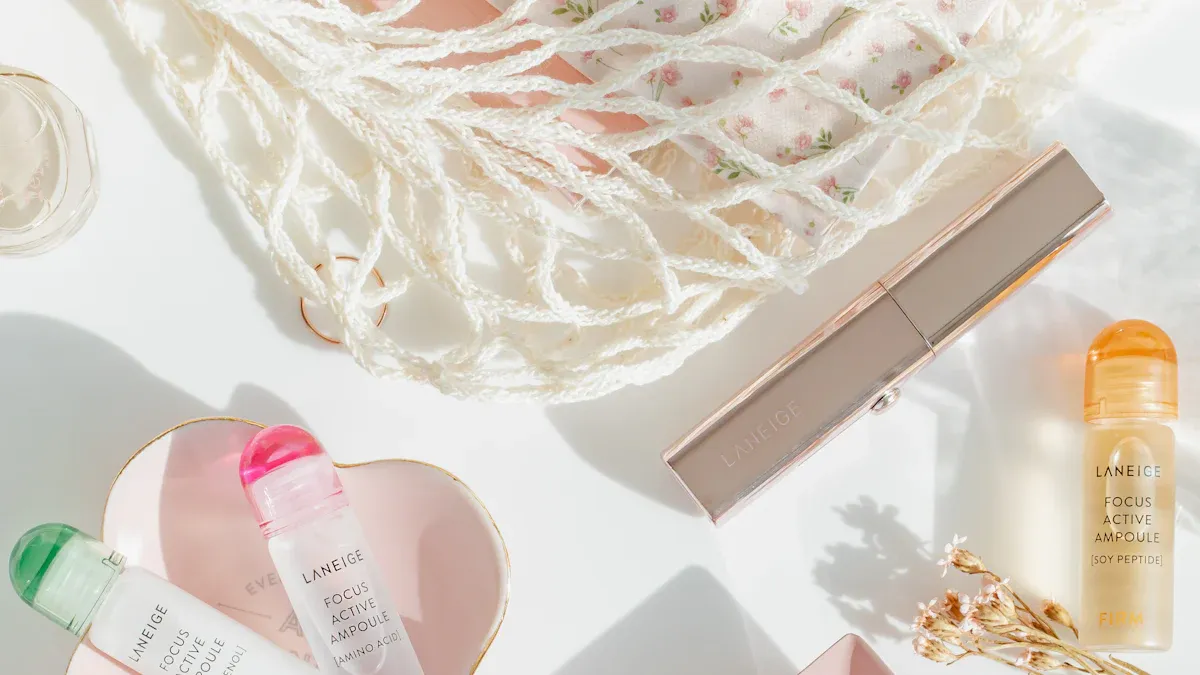
There are different ways to ship beauty products from China. Air freight is good for small and urgent orders. It is fast but costs more money. Sea freight is better for big shipments. It takes longer but saves money. Express couriers like DHL or FedEx move small packages and samples quickly. Rail freight is another choice for some places. Each way has its own speed, price, and risk. Pick the one that fits your budget and schedule.
Tip: If you are new, try a small air or express shipment first. This helps you learn before you order more.
Incoterms Explained
Incoterms are rules for shipping costs and risks. You and your supplier must agree on these rules before shipping. The table below shows how each Incoterm changes your job:
Incoterm | Seller Responsibility | Buyer Responsibility | Risk Transfer Point |
|---|---|---|---|
EXW | Minimal | Maximum | Seller’s premises |
CIF | Shipping & insurance | Import clearance | Loading in China |
DAP | Delivery to place | Import customs | Delivery location |
FOB | Loading onto vessel | All subsequent costs | Loading in China |
If you choose EXW, you do almost everything after the goods leave the factory. With CIF, the seller pays for shipping and insurance until your port. DAP means the seller brings goods to you, but you clear customs. FOB puts the risk on you once goods are on the ship.
Customs Clearance
Customs clearance checks your papers and product safety. You must get documents like the commercial invoice, packing list, and bill of lading. Customs officers may ask for safety certificates and test reports. If your papers are right, your goods move faster. If you make mistakes or forget papers, you may face delays or extra fees.
Note: Always check your papers before shipping. This helps you avoid problems at the border.
Logistics Partners
You need good partners to help with shipping. Freight forwarders book space, prepare papers, and track shipments. Customs brokers help you follow import rules and clear goods. Good logistics companies offer door-to-door service and give updates. Pick partners who know beauty products. They know how to handle fragile items and fix problems fast.
A strong team of logistics partners helps you avoid mistakes. It also keeps your supply chain running well.
Cost Management
Import Cost Breakdown
You should know all the costs before you import. The cost is not just what you pay for the product. You also pay for shipping, customs duties, taxes, and insurance. There are fees for checking quality and storing your goods. Here is a table that shows the main costs:
Cost Type | Beschreibung |
|---|---|
Product Price | What you pay the supplier |
Shipping | Air, sea, or express delivery fees |
Customs Duties | Taxes at your country’s border |
Insurance | Protects your goods during shipping |
Inspection Fees | Quality checks and lab testing |
Warehousing | Storage before selling |
Tipp: Always ask your supplier what is in the price. This helps you avoid extra fees.
Pricing and MOQ Negotiation
You can talk with your supplier about price and MOQ. Start by asking for a list of all costs. Show that you know about the market. If you buy more, you can get a lower price for each item. If you are new, ask for a smaller MOQ to try out the market. Suppliers may say yes if you want to work with them for a long time.
Ask three suppliers for their prices.
Look at the prices and what they offer.
Use your research to help you talk about price.
Budgeting Tips
Make a budget before you order anything. Add up all the costs, not just the product price. Plan for extra costs like delays or broken items. Keep some money for emergencies. Write down every payment and bill.
Anmerkung: Good budgeting helps you avoid problems and keeps your business strong.
Cost Estimation Tools
You can use online tools to guess your total import cost. Many shipping companies have free calculators. You type in the product price, shipping way, and where it is going. The tool gives you a quick idea of your total cost.
Some good tools are:
Alibaba Freight Calculator
Freightos Cost Estimator
Easyship Shipping Calculator
Try these tools before you order. This helps you plan and keep your profit safe.
Market Entry Strategies
Local Compliance
You need to follow the rules in each country. Every country has different laws for cosmetics. Check how to register your products. Look at what ingredients are not allowed. Make sure your labels have the right information. Ask local experts or lawyers for help. They can help you avoid problems and keep your products legal. Always learn about new rules because they can change fast.
Branding and Promotion
Good branding makes your products easy to notice. Tell a story about your brand that people like. Use simple logos and special packaging. Pick colors that match your brand. Share what your brand stands for, like safety or being eco-friendly. Show your products with nice photos and videos. Good branding helps people trust you and makes you stand out.
Tip: People remember brands that tell stories and show real results.
Sales Channels
Pick the best ways to sell your products. You can sell online on your website or big shopping sites. You can also work with stores or local sellers. Each way has good points. Selling online lets you talk to buyers directly. Stores help people see and touch products before buying. Try different ways to see what works best for you.
Online marketplaces (Amazon, Tmall, Shopee)
Brick-and-mortar stores
Beauty salons and spas
Pop-up shops and events
Influencer Marketing
Influencer marketing can help your brand grow fast. Work with beauty influencers who fit your brand. They can try your products and make videos or give reviews. Pick influencers who have real fans and lots of comments. Watch the results to see which ones help you most. Influencers help you find new buyers and build trust.
Note: Influencers can help tell your product’s story and show its quality to local buyers when you import cosmetics from China.
Troubleshooting and Risk Management
Supply Chain Issues
You might have supply chain problems when buying cosmetics from China. Sometimes, factories close or shipments get stuck. Customs checks can also slow things down. Always watch your shipments and talk to your suppliers often. If something is late, ask your logistics partner for news. Make a backup plan with other suppliers. This helps your business if one supplier cannot send products.
Tipp: Keep a list of extra suppliers and freight forwarders. This gives you more choices if something goes wrong.
Quality Problems
Quality problems can hurt your brand and cost money. Check every batch before it ships. Use third-party inspectors to test for safety and quality. If you find a problem, tell your supplier right away. Ask for new products or your money back. Write down all test results and complaints. This helps you fix problems faster.
Common Quality Issues Table
Issue | Solution |
|---|---|
Wrong ingredients | Request lab tests |
Poor packaging | Approve samples before orders |
Product damage | Use better shipping materials |
Regulatory Changes
Cosmetic rules can change fast. You must keep up with new laws in China and your market. Sign up for news from the industry and government. Join trade groups or forums to learn from others. If you see a new rule, check if it changes your products. Change your labels and papers if needed.
Anmerkung: Check your compliance steps often. This helps you stay out of legal trouble.
Contingency Planning
You need a plan for surprises. Make a checklist for emergencies like late shipments or recalls. Teach your team to use this plan. Keep extra stock if you can. Check your insurance to cover lost or damaged goods. Good planning keeps your business safe and helps you recover quickly.
Importing cosmetics from China can be great, but you must be ready for risks. Careful planning and fast action help you fix problems and protect your business.
You can do well when getting beauty products from China if you follow some easy steps. First, make sure you know all the rules and have the right papers. Next, pick good suppliers and check if the products are high quality. Keep an eye on your spending and plan how you will ship your products. Always learn about new rules in your country.
Tipp: If you study and talk often with your suppliers, you will make fewer mistakes. This guide can help you feel sure about your next move.
Häufig gestellte Fragen
What documents do you need to import cosmetics from China?
You must have a commercial invoice and a packing list. You also need a bill of lading for shipping. Product safety certificates and test reports are important too. Customs might want to see product registration and labeling papers. Always check what your country needs before you ship.
How can you check if a Chinese supplier is reliable?
Ask for certificates like ISO 22716 or GMP. Request pictures of the factory and some references. Try to visit the factory if you can. Good suppliers reply fast and give clear papers. Use third-party inspectors for extra safety.
Do you need to test every batch before shipping?
Yes, you need to test each batch. Testing helps you find problems with quality or safety early. Use third-party labs for fair results. Keep all your test records for later and for rules checks.
What are the most common mistakes when importing beauty products?
Not following local rules
Not testing products
Picking suppliers without checking them
Missing important papers
Tip: Plan carefully and talk often with your suppliers to avoid these mistakes.

Ähnliche Beiträge

International beauty and personal care exhibitions connect professionals, sellers, and enthusiasts for networking, market growth, and trend insights.

Exosomes in Skincare offer advanced skin regeneration, safety insights, regulatory updates, and ethical sourcing for rejuvenation in 2025.

Orange peel skin causes rough, bumpy texture. Find out what triggers it, how to prevent it, and the best treatments for smoother, healthier skin.
Retinol in der Hautpflege: Wissenschaftliche Erkenntnisse, Vorteile für Anti-Aging und Akne, sichere Anwendung, Mythen, Produkttrends und Tipps für alle Hauttypen.


Kommentar hinzufügen