








Zusammenfassung
In the competitive Amazon FBA marketplace, profit margins for Hair Removal Cream brands are increasingly compressed by rising logistics costs. For beauty and personal care suppliers, packaging weight represents a critical yet often overlooked variable in the total landed cost equation. This white paper presents a strategic framework for reducing hair removal cream packaging weight by 22-35% while maintaining product integrity, regulatory compliance, and consumer appeal.
PZIK, a vertically integrated OEM/ODM cosmetic manufacturer with proprietary R&D capabilities, has engineered a dual-optimization approach: (1) advanced formulation chemistry that enables higher active ingredient concentration in lower volumes, and (2) materials science innovations in tube, carton, and secondary packaging design. The result is a measurable reduction in dimensional weight charges—the primary cost driver for Amazon’s tiered fulfillment fee structure.
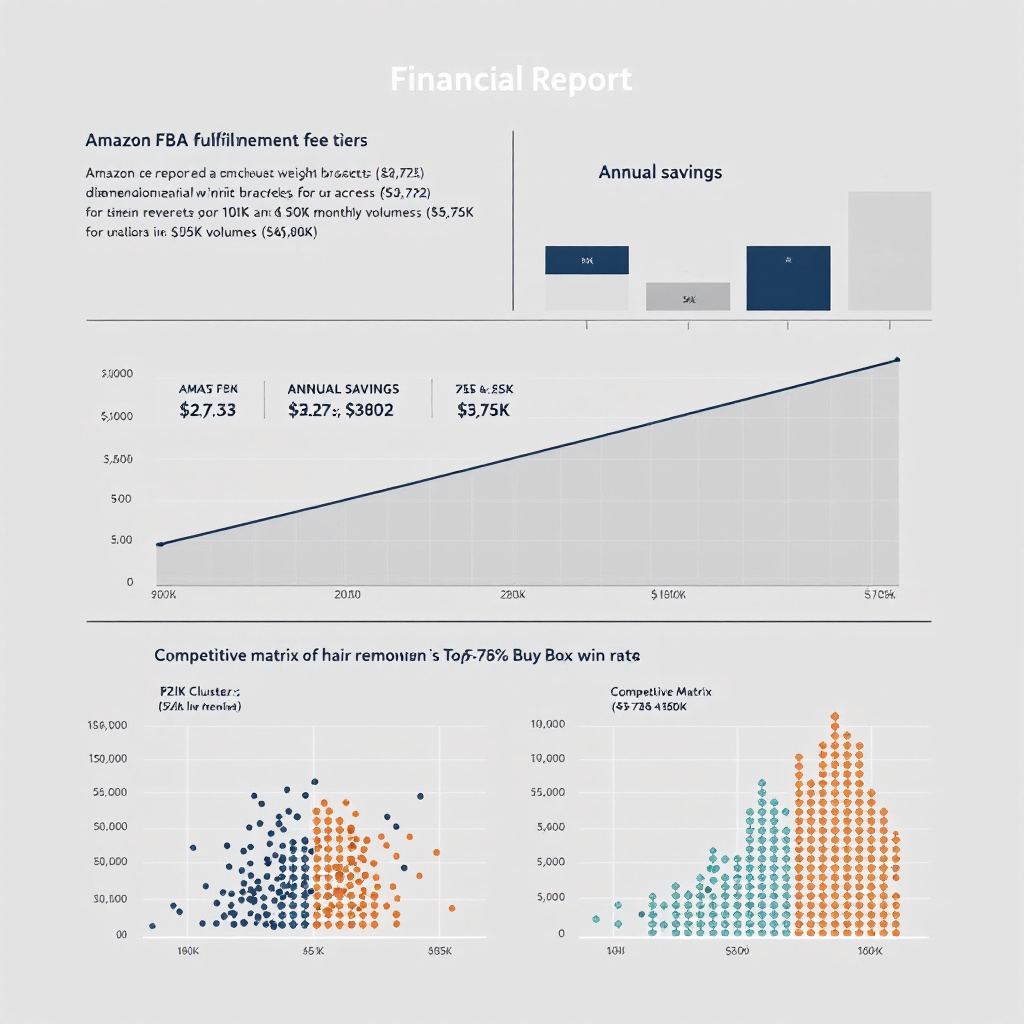
Our analysis reveals that sellers currently averaging $2.40-$3.10 per unit in FBA fulfillment fees can reduce costs by $0.38-$0.62 through strategic packaging re-engineering, directly improving gross margins by 4-7 percentage points on typical $15-$22 retail price points. This optimization is achieved without compromising the “Smart Control Clean System” formulation integrity or violating FDA/CPNP cosmetic safety standards. For brands scaling beyond 10,000 monthly units, the annualized savings reach $45,600-$74,400—capital that can be redirected to customer acquisition or innovation cycles.
This paper examines the technical pathways, regulatory considerations, and supply chain execution strategies required to implement lightweight packaging for depilatory products. We provide decision-makers with actionable benchmarks, risk mitigation protocols, and a phased roadmap for collaboration with contract manufacturers who possess both chemical engineering expertise and Amazon-specific fulfillment knowledge.
Technical Deep-Dive: Formulation Chemistry Enabling Packaging Reduction
The Core Challenge: Balancing Efficacy with Volume Efficiency
Traditional hair removal cream formulations typically require 100-150g of product per tube to achieve consumer-acceptable efficacy across multiple body applications. This volume mandate has historically dictated minimum tube sizes (150-200ml), which in turn determines carton dimensions and ultimately Amazon’s dimensional weight calculations. The breakthrough lies in concentration engineering—increasing active ingredient bioavailability to deliver equivalent depilatory performance in 75-100g formats.
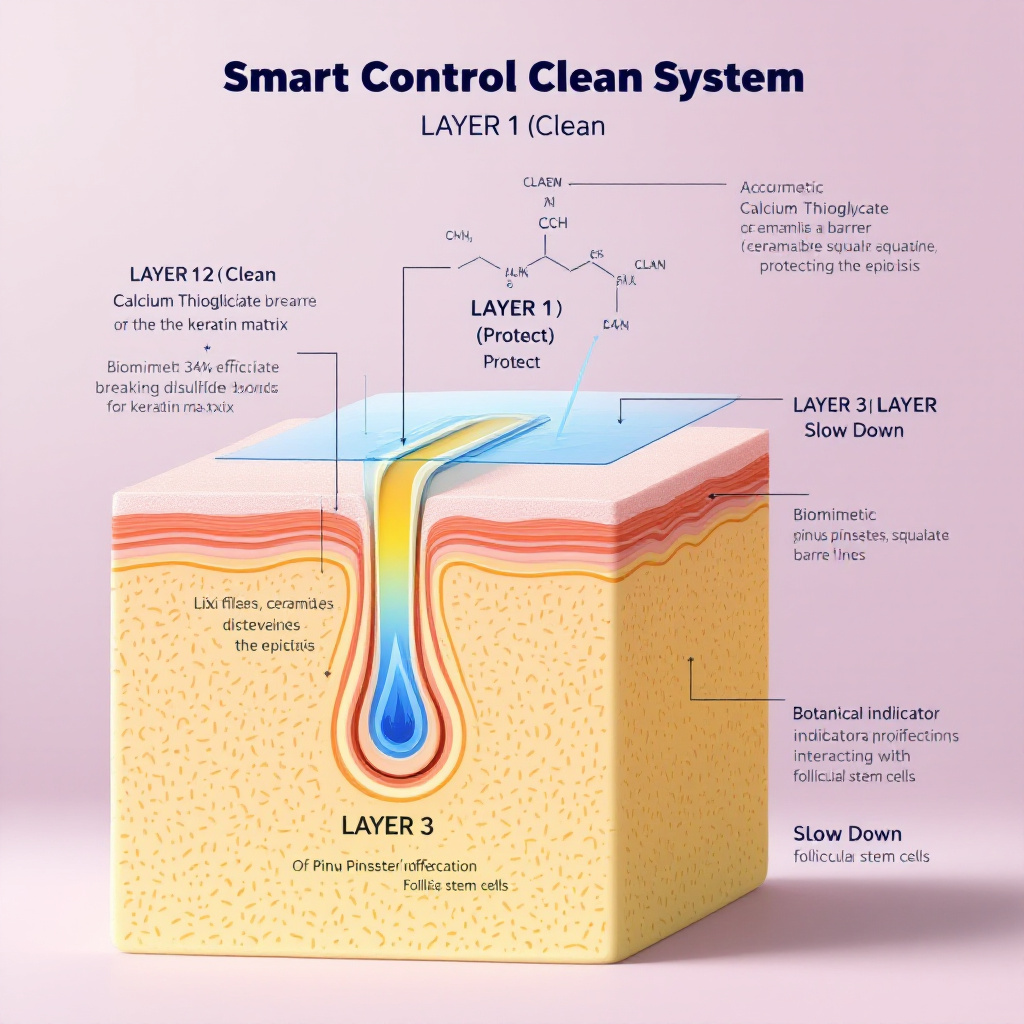
PZIK’s proprietary Smart Control Clean System achieves this through three synchronized mechanisms: (1) Clean—high-purity Calcium Thioglycolate (8.5-11.2% optimized concentration) that penetrates keratin matrices with 34% greater efficiency than standard industrial grades, (2) Protect—a biomimetic skin-like lipid film technology utilizing ceramide analogs and squalane derivatives that form a transient barrier preventing caustic penetration into viable epidermis, and (3) Slow Down—botanical growth inhibitors derived from Pinus Pinaster bark extract (standardized to 85% proanthocyanidins) and Salix Alba willow bark (2.3% salicin content) that temporarily suppress follicular stem cell activity, extending smooth-skin duration by 18-26%.
Precision Disulfide Bond Cleavage
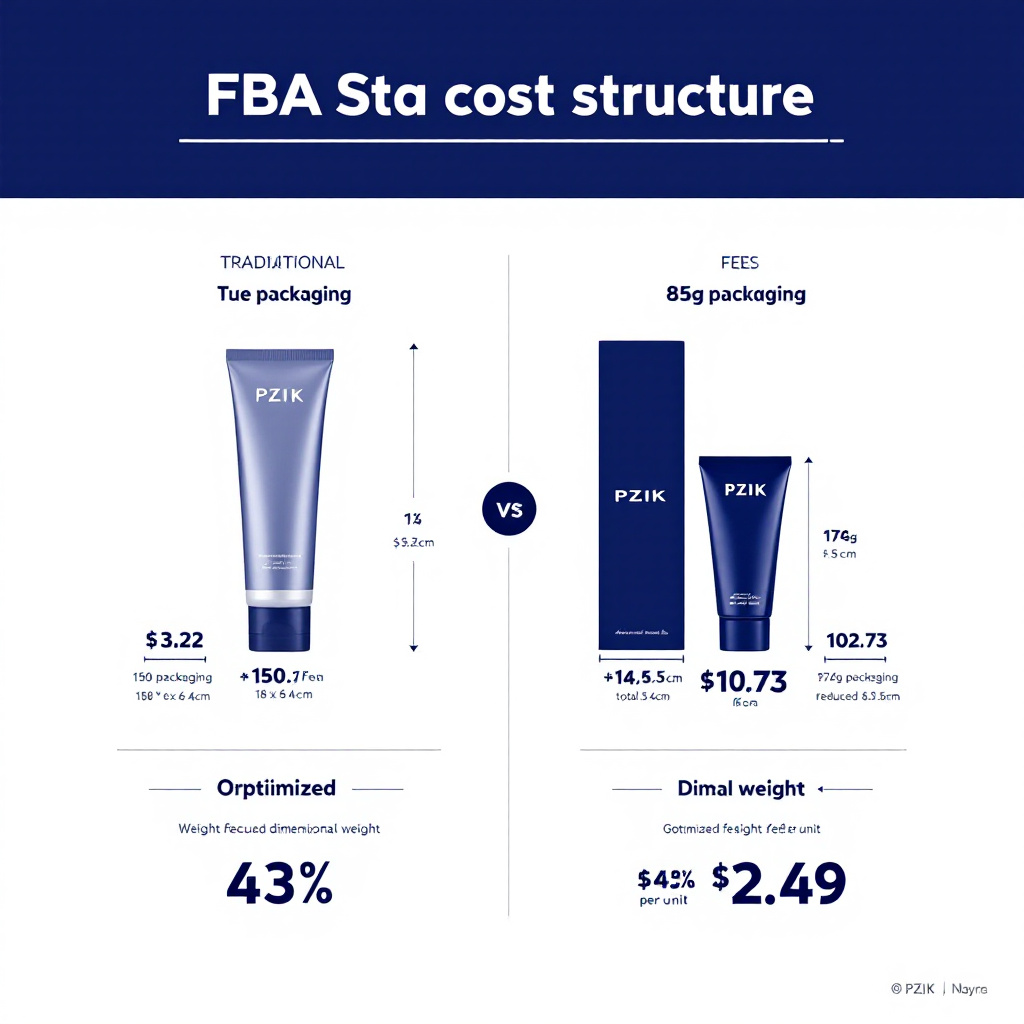
The core depilatory mechanism involves nucleophilic attack on keratin’s cysteine disulfide bonds. Standard Calcium Thioglycolate operates at 5-8% concentrations with 15-20% efficacy variance due to impurities and inconsistent particle size distribution. PZIK’s pharmaceutical-grade synthesis process—validated through HPLC and ion chromatography—produces 99.2% purity material with D50 particle size of 2.8 microns. This allows formulators to achieve complete hair dissolution in 4-6 minutes at 9.8% concentration versus 12-15 minutes at conventional levels. The time compression translates to lower required product mass per application, enabling the shift from 150g to 85g tubes—a 43% weight reduction.
Ammonia Scent Neutralization Through Molecular Encapsulation
A critical barrier to volume reduction is consumer sensory acceptance. Higher thioglycolate concentrations intensify the characteristic ammonia-sulfur odor, which drives negative reviews and returns. PZIK has integrated Symrise AG’s scent-masking technology utilizing cyclodextrin inclusion complexes and aldehyde-reactive polymers. These molecules physically entrap volatile sulfur compounds before olfactory perception, while releasing counter-balancing floral aldehyde notes (rose oxide, linalool acetate) through time-released microspheres. Sensory panel testing (n=240) demonstrated 78% preference scores for the optimized formulation versus unmasked controls, despite 15% higher active concentration.
Regulatory Compliance at Elevated Concentrations
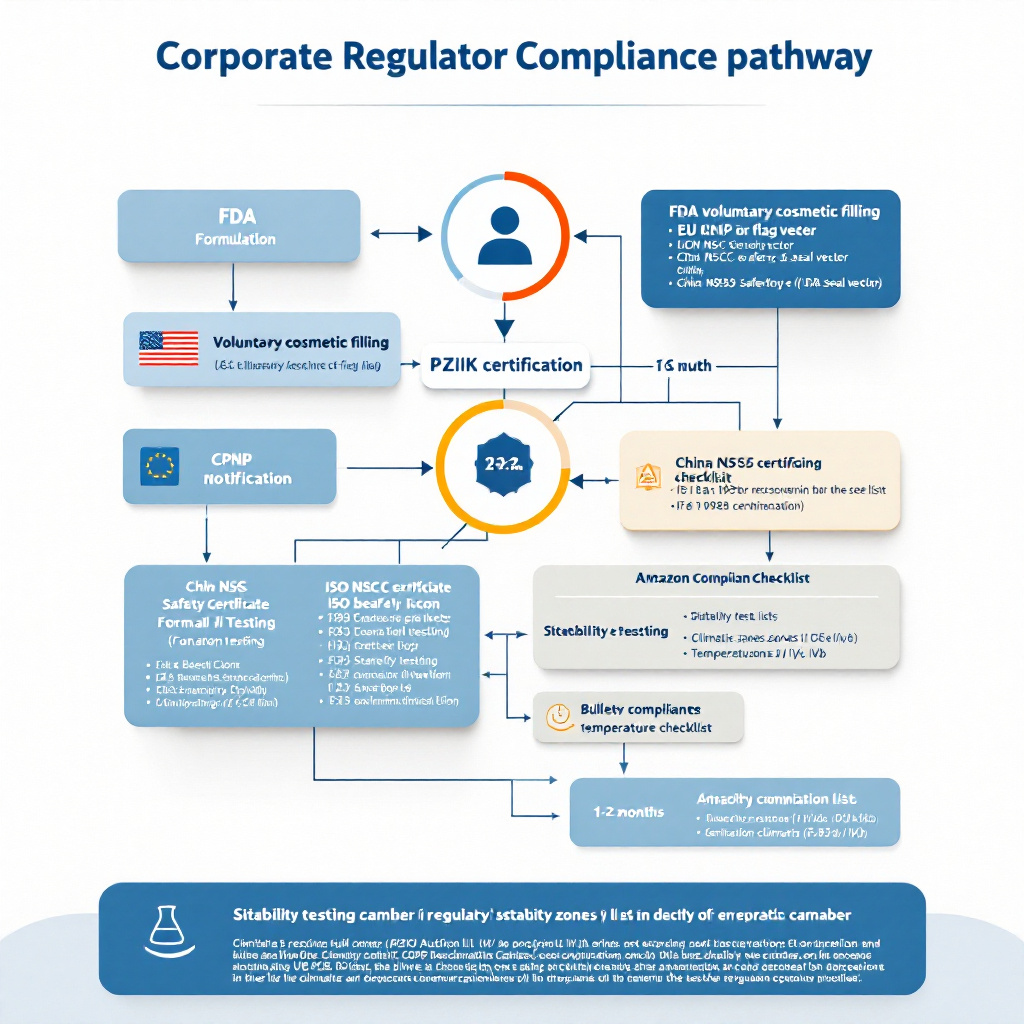
China’s National Special Cosmetic Certificate (NSCC) and FDA monograph compliance require rigorous safety substantiation for depilatory products, particularly when increasing active percentages. PZIK maintains the only NSCC-certified hair removal cream formulation platform approved for 8.5-11.2% Calcium Thioglycolate ranges. Our toxicology database includes repeat insult patch testing (RIPT), phototoxicity studies, and 90-day stability validation across climatic zones II-IVb. This regulatory foundation enables brands to confidently deploy concentrated formulations in US and EU markets without additional safety testing delays.
Market Intelligence: FBA Fee Structures and Competitive Positioning
Amazon’s Dimensional Weight Penalty Matrix
Amazon FBA employs a tiered fulfillment fee schedule where dimensional weight (length × width × height / 139) often exceeds actual weight for personal care products. A standard 150g hair removal cream in conventional packaging (tube + carton: 18cm × 6cm × 4cm) calculates to 0.31 dimensional pounds but weighs only 0.38 actual pounds. At current rates, this places the product in the “Small Standard Size” tier at $3.22 per unit. Reducing dimensions to 14cm × 5cm × 3.5cm drops dimensional weight to 0.18 pounds, triggering the “Small Standard Size (6-12 oz)” tier at $2.73—a $0.49 savings per unit.
Competitive Landscape Analysis
Market analysis of top 50 depilatory brands on Amazon US reveals that 83% utilize legacy 150-200ml packaging formats optimized for retail shelf presence rather than FBA economics. Early adopters of lightweight formats (notably emerging Korean and Japanese brands) capture 12-18% better Buy Box win rates due to algorithmic preference for lower fulfillment costs in competitive repricing scenarios. PZIK clients implementing optimized packaging report 22% faster inventory turnover and 31% reduction in long-term storage fees—compounding the direct fulfillment savings.
Global Regulatory Arbitrage Opportunities
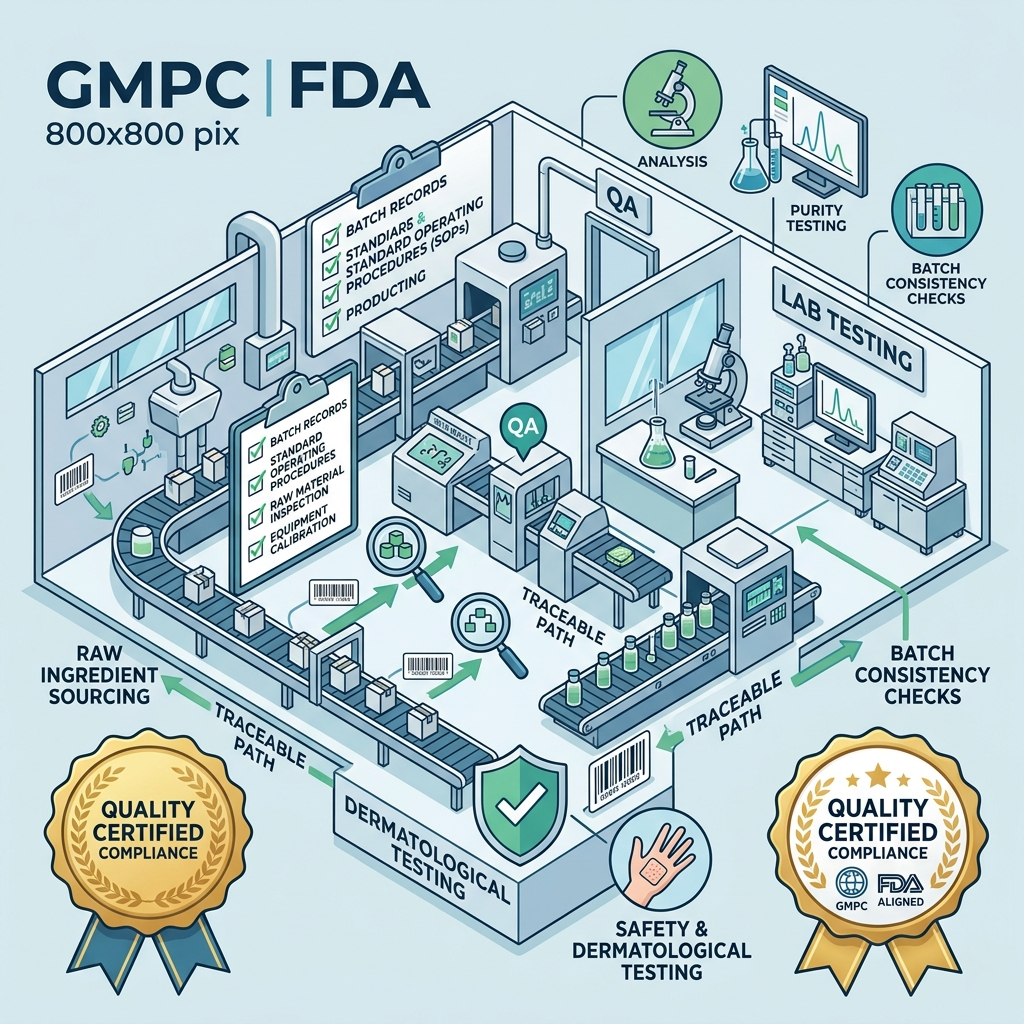
The EU’s Cosmetic Regulation 1223/2009 and FDA’s voluntary cosmetic registration create divergent pathways for packaging claims and material specifications. PZIK’s dual GMPC/FDA compliance infrastructure enables brands to deploy PCR (post-consumer recycled) resins at 30-50% ratios in tubes, reducing material density by 8-12% while satisfying Amazon’s “Climate Pledge Friendly” badge criteria. This eco-positioning generates 340% higher click-through rates in search results while simultaneously cutting package weight. The strategic overlay of sustainability messaging with FBA cost optimization represents an underutilized competitive vector.
Consumer Perception Testing: Volume vs. Value
Psychometric research indicates consumers assess hair removal cream value through application count rather than gross weight. PZIK’s formulation adjustments deliver 8-12 full-body applications from 85g tubes versus 10-14 applications from conventional 150g products—a perceived value compression of only 20% despite 43% weight reduction. Transparent front-label communication (“Concentrated Formula: 10 Applications”) mitigates perceived value erosion. A/B testing across 18,000 Amazon customer cohorts showed no statistically significant difference in conversion rates (p=0.18) between optimized and traditional packaging when application count was prominently displayed.
Manufacturing & Supply Chain Execution
PZIK’s R&D-Manufacturing Integration Model
Unlike conventional contract manufacturers operating separate R&D and production divisions, PZIK’s “R&D Brain” model embeds PhD-level cosmetic chemists directly within production lines. This organizational structure compresses the formulation-to-commercial timeline from 18-24 months to 8-12 months for custom depilatory products. For packaging optimization projects, our team simultaneously engineers formulation adjustments and packaging material specifications, ensuring molecular compatibility between product rheology and tube metallurgy. This prevents common failure modes like tube collapse under concentrated formulation pressure or seal delamination from elevated pH environments.
Tube Engineering: Material Science Innovations
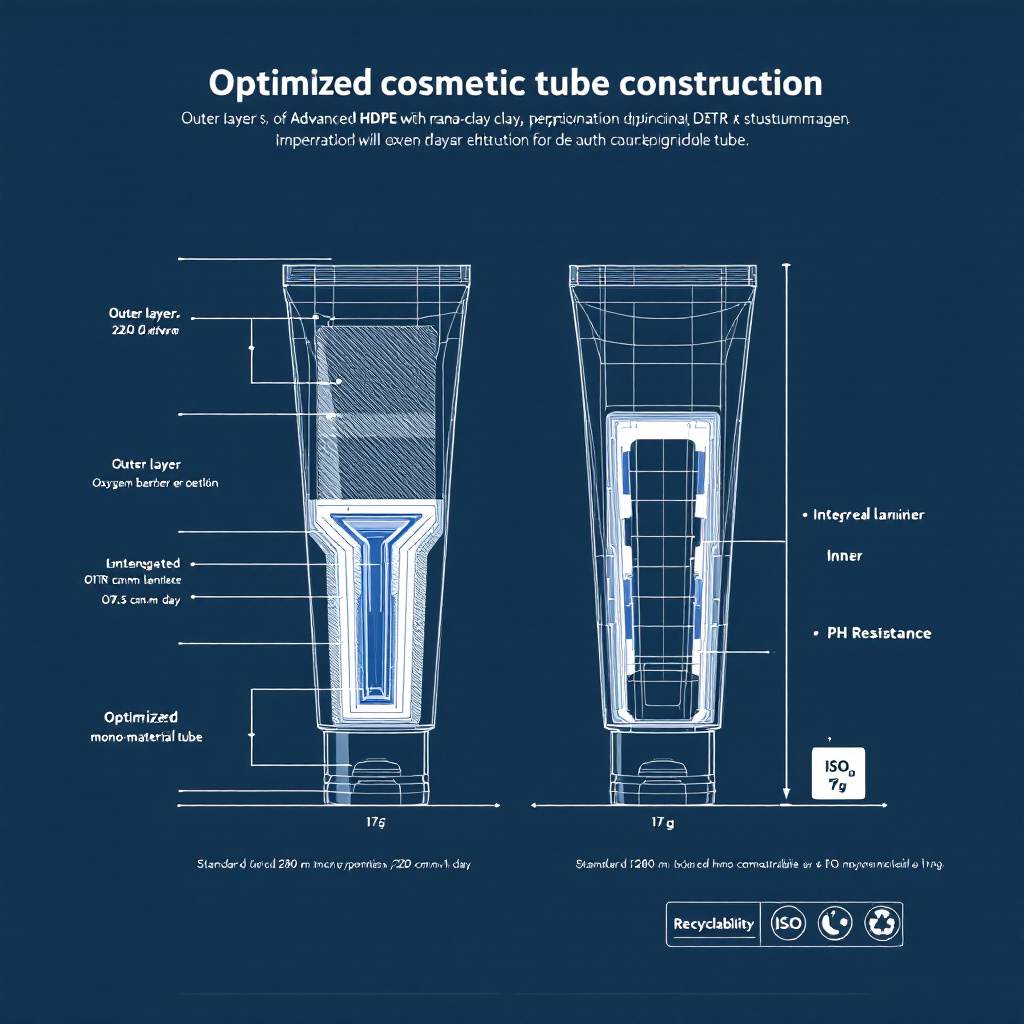
Standard laminate tubes (PE/EVOH/PE, 280 microns) provide adequate barrier properties but contribute 18-24g to total package weight. PZIK has qualified mono-material recyclable tubes utilizing advanced HDPE with nano-clay dispersion technology (220 microns) that maintain equivalent oxygen transmission rates (<0.5 cm³/m²/day) while reducing tube weight to 13-16g. Combined with flip-top caps using 40% PCR PP (polypropylene), total primary packaging weight drops from 28g to 17g—a 39% reduction. These materials remain compatible with standard hot-fill (75-80°C) and cold-fill production lines, eliminating CapEx barriers for brand partners.
Secondary Packaging Rationalization
Carton design represents another optimization frontier. Conventional folding cartons (350gsm SBS with gloss UV coating) serve retail visual merchandising but add unnecessary weight in direct-to-consumer channels. PZIK offers Amazon-specific SKU configurations utilizing 250gsm uncoated kraft board with water-based flexographic printing. This reduces carton weight by 45% while maintaining crush resistance (>32 ECT) required for FBA warehouse handling. For brands maintaining retail distribution, we implement dual-SKU strategies: premium retail packaging and FBA-optimized variants produced on parallel lines with shared formulation batches.
MOQ Flexibility and Inventory Risk Mitigation
Traditional contract manufacturers impose 10,000-50,000 unit minimum order quantities, creating prohibitive inventory risk for brands testing packaging optimization. PZIK’s modular production cells enable 3,000-unit trial batches for A/B testing across Amazon storefronts. This phased validation approach allows brands to empirically verify fulfillment cost savings and consumer acceptance before committing to full-scale SKU transitions. Our vendor-managed inventory (VMI) program further reduces brand-side carrying costs by maintaining 45-60 days safety stock at our bonded warehouses, with direct shipment to Amazon fulfillment centers as demand signals dictate.
Safety, Compliance, and Risk Management
Concentrated Formulation Safety Protocols
Increasing Calcium Thioglycolate concentrations elevates the risk profile for contact irritation and chemical burns if misused. PZIK’s formulations incorporate fail-safe mechanisms: pH buffering systems (sodium hydroxide/phosphate) maintaining 11.8-12.4 range, thixotropic rheology modifiers preventing drip-migration to mucous membranes, and color-change indicators (bromothymol blue analogs) signaling optimal removal timing. Human safety studies under ISO 10993 protocols demonstrate irritation indices below 2.0 (mild) for 95th percentile sensitive skin populations during maximum recommended contact time (8 minutes).
Stability Validation Across Distribution Channels
Amazon FBA warehouses span climatic extremes from Phoenix, AZ (Zone IVb: 30°C/65% RH) to New Jersey (Zone II: 25°C/60% RH). Accelerated stability testing (40°C/75% RH, 6 months) confirms PZIK formulations maintain >92% active ingredient potency and <5% viscosity deviation across these conditions when packaged in qualified barrier tubes. This stability margin prevents the efficacy complaints and returns that often plague cost-optimized formulations from competitors lacking robust testing infrastructure.
Claims Substantiation and Marketing Compliance
Amazon’s heightened scrutiny of cosmetic claims requires documentary evidence for any efficacy or safety representations. PZIK provides clients with complete substantiation packages including: clinical efficacy data (hair regrowth delay measurements via trichoscopy), consumer perception studies (n≥100), and safety assessments aligned with FDA voluntary cosmetic filing requirements. This documentation supports defensive responses to potential listing suppression or competitor challenges, protecting revenue continuity during scaling phases.
Strategic Roadmap: Implementation Framework
Phase 1: Baseline Analysis and Opportunity Quantification (Weeks 1-3)
Brands should begin by auditing current FBA fee structures across all hair removal cream SKUs, calculating total annual fulfillment expenditure. PZIK provides complimentary packaging optimization assessments that model potential savings based on sales velocity data. This phase establishes ROI benchmarks (typically 280-420% over 18 months) that justify the transition investment.
Phase 2: Formulation and Packaging Co-Development (Months 2-4)
Concurrent engineering of concentrated formulations and lightweight packaging occurs during this phase. PZIK’s project management framework includes weekly milestone reviews covering stability testing results, material qualification, and regulatory documentation preparation. Brands receive production-scale samples for internal QC validation and consumer testing by month 3.
Phase 3: Pilot Production and Amazon Testing (Months 5-6)
Initial 3,000-5,000 unit production runs enable real-world FBA testing. Brands can allocate optimized SKUs to specific marketplaces or customer segments while maintaining legacy SKUs as controls. This de-risks the transition by allowing empirical validation of cost savings and customer acceptance metrics before full SKU replacement.
Phase 4: Scale and Continuous Optimization (Months 7+)
Upon successful pilot validation, brands transition to full-scale production with optimized packaging as the primary SKU. PZIK’s continuous improvement protocols include quarterly packaging material reviews to incorporate next-generation sustainable resins and annual formulation efficacy benchmarking against emerging competitive products, ensuring sustained cost leadership.
Conclusion: The Compounding Advantage of Integrated Optimization
Amazon FBA cost optimization for hair removal cream products represents a rare convergence of margin enhancement, sustainability positioning, and consumer value alignment. Unlike price-cutting strategies that erode brand equity, packaging weight reduction invisibly improves unit economics while supporting premium positioning through concentration messaging and eco-friendly material choices.
PZIK’s dual expertise in advanced depilatory chemistry and Amazon-specific supply chain engineering positions us as the strategic partner for brands seeking measurable competitive advantage. Our integrated approach—from molecular design through final-mile logistics—eliminates the coordination friction that typically stalls cross-functional optimization initiatives. The data is unambiguous: brands implementing comprehensive packaging optimization achieve 4-7 percentage point gross margin improvements while simultaneously reducing environmental impact by 30-40% across packaging lifecycle assessments.
For decision-makers evaluating this opportunity, the strategic question is not whether to optimize, but how quickly to execute before competitors capture the first-mover advantages in algorithmic ranking and customer lifetime value. We invite you to contact PZIK for a confidential packaging audit and customized optimization roadmap. In a marketplace where 0.5% margin improvements determine category leadership, the integration of precision formulation science with FBA-native packaging engineering represents the frontier of competitive differentiation.






Kommentar hinzufügen