
No hay productos en la cesta.










¿Qué es la piel de naranja y cómo se puede mejorar?

You may see your skin looks bumpy or rough, like an orange. This is known as orange peel skin. Many people believe it is just a beauty issue and is related to cellulite. But orange peel skin can happen for different reasons. Some reasons might need a doctor’s help. You do not have to be scared, because most cases are safe. With proper care and good treatments, you can make your skin smoother over time.
Puntos clave
Orange peel skin looks bumpy and rough. It can happen because of aging, sun damage, or genetics. Knowing why it happens helps you pick the best treatment.
Protect your skin from the sun every day. Use sunscreen that covers many rays and has SPF 30 or higher. This stops more skin damage.
Take care of your skin each day. Wash your face gently. Put on moisturizer every day. Use products with vitamin C and retinol to help your skin feel smoother.
Drink enough water and eat healthy foods with antioxidants. This keeps your skin healthy and can stop orange peel skin.
You can try professional treatments like chemical peels or microdermabrasion. These may help if home care does not work.
Orange Peel Skin Overview
Definition and Signs
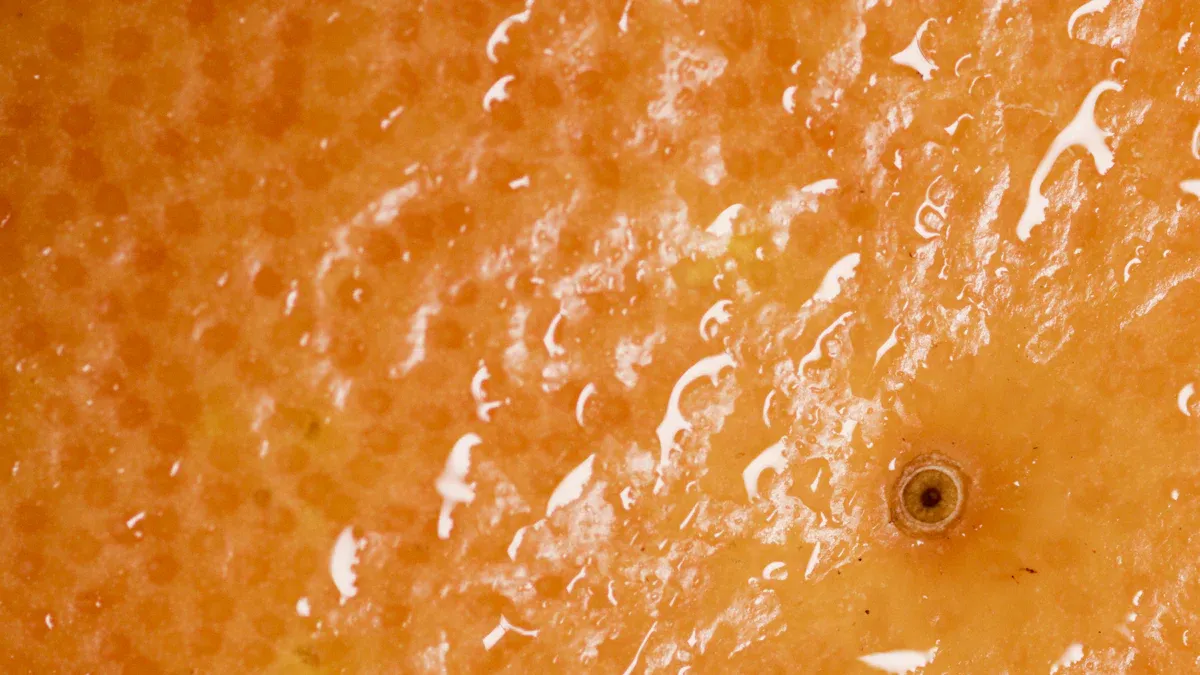
Your skin might look bumpy or rough, like an orange. This is called orange peel skin. It can feel uneven and look pitted or wrinkled. You might see big pores, small lines, or dry spots. Sometimes, the skin looks patchy or tough. These changes happen when your skin loses stretch and firmness. Getting older and sun damage can make these signs worse.
Common Areas
Orange peel skin can show up in many places on your body. The most common spots are:
Thighs
Buttocks
Hips
You might see it in other areas, but these are the main ones. Many girls and women notice these changes after puberty.
Difference from Cellulite
Some people think orange peel skin and cellulite are the same. They look alike, but they are not. Cellulite happens when fat pushes through tissue under your skin. This makes dimples and bumps, mostly on thighs and buttocks. Hormones, blood flow, and tissue structure can cause cellulite. Orange peel skin can look like this, but it can also come from aging or sun damage.
When to See a Doctor
Most of the time, orange peel skin is not harmful. But you should watch for changes, especially on your breasts. If you notice any of these, talk to your doctor:
Symptom or Change | What It Could Mean |
|---|---|
Orange peel skin on the breast | Inflammatory breast cancer |
Redness or rash on the breast | Inflammatory breast cancer |
Sudden increase in breast size | Possible sign of a serious condition |
Swelling or pitting on the breast | Infection or inflammatory breast cancer |
Lumps or visible changes | Early sign of breast tumors |
Fever or chills | Possible infection |
Consejo: Finding problems early helps you get the right care if something is wrong.
Causes of Orange Peel Skin
Aging and Collagen Loss
When you get older, your skin loses collagen. Collagen helps your skin stay firm and smooth. If you lose collagen, your skin can look bumpy and uneven. A study had 105 women take collagen peptides every day for six months. Their skin became less wavy and more dense.
Study Findings | Detalles |
|---|---|
Participants | 105 women aged 24 to 50 |
Treatment Duration | 6 months |
Collagen Dose | 2.5 g collagen peptides daily |
Cellulite Score Reduction | 9% average reduction |
Skin Waviness Reduction | 8% average reduction |
Dermal Density Improvement | Aumento significativo |
Borderline Length Reduction | Notably shorter |
Sun Damage
If you go outside without sunscreen, your skin can get hurt. UV rays from the sun cause stress and swelling in your skin. This breaks down collagen and elastin. Your skin can get rough and uneven. Pollution in the air can make this even worse.
☀️ Tip: Always use sunscreen to protect your skin from UV rays.
Genetics
Your genes decide a lot about your skin. If your parents have big pores or rough skin, you might too. Genes can affect how much collagen you have and how your skin changes as you age.
Dehydration and Skincare Habits
If you do not drink enough water, your skin can look shiny and rough. Bad skincare, like not washing your face or using harsh soaps, can make dead skin cells pile up. This makes your pores look bigger and your skin feel bumpy.
Dehydration makes skin look shiny like plastic wrap.
Slow skin cell change lets dead cells build up near pores.
These things make orange peel skin easier to see.
Skin Conditions and Scarring
Some skin problems can make your skin rough and bumpy. A shagreen patch is a tough, bumpy spot that looks like orange peel skin. Scars from acne or injuries can also change how your skin feels.
Skin Condition | Descripción |
|---|---|
Shagreen Patch | Tough, dimpled skin, often linked to certain medical conditions. |
Lifestyle Factors
What you do every day can change your skin. Smoking makes blood flow worse and brings bad chemicals into your body. This hurts collagen and elastin, so your skin ages faster. Eating lots of junk food, sugar, and bad fats can cause swelling and pimples. Not drinking enough water can make lines and rough skin worse.
Foods with antioxidants and good fats help your skin stay stretchy.
Drinking enough water keeps your skin smooth.
Preventing Orange Peel Skin
Sun Protection
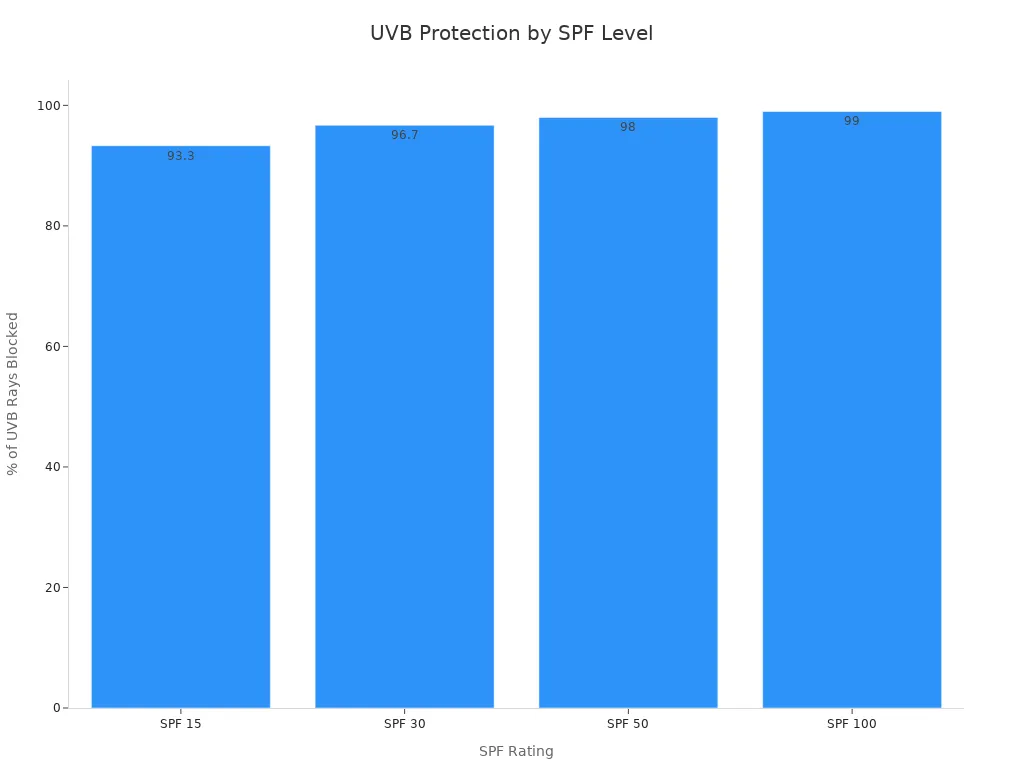
You can protect your skin from the sun by using sunscreen every day. Sun damage breaks down collagen and makes your skin rough. Dermatologists recommend a broad-spectrum sunscreen with at least SPF 30. This type of sunscreen blocks both UVA and UVB rays. The table below shows how different SPF levels protect your skin:
SPF Rating | % of UVB Rays Blocked | Protection Level |
|---|---|---|
SPF 15 | 93.3% | Good Protection |
SPF 30 | 96.7% | Very Good Protection |
SPF 50 | 98% | Excellent Protection |
SPF 100 | 99% | Maximum Protection |
☀️ Consejo: Apply sunscreen every morning, even on cloudy days.
Skincare Routine
A good skincare routine keeps your skin healthy and smooth. You should use a gentle cleanser that does not strip away natural oils. Moisturize every day with a product that matches your skin type. Add a vitamin C serum to brighten your skin and shrink pores. Retinol helps your skin renew itself and keeps it firm. Exfoliate once or twice a week to remove dead skin cells and keep your pores clear.
Cleanse gently
Moisturize daily
Use vitamin C serum
Apply retinol at night
Exfoliate regularly
Hydration
Drinking enough water helps your skin stay soft and elastic. When you feel thirsty, your skin may look dry or bumpy. Use a moisturizer after washing your face to lock in water. Well-hydrated skin looks smoother and less like orange peel skin.
Healthy Lifestyle
Eating healthy foods and moving your body every day can make a big difference. Choose foods with antioxidants, vitamins, and minerals. Citrus fruits, nuts, and leafy greens help your skin stay strong. Some studies show that eating citrus peel may lower your risk of certain skin problems. Try to avoid smoking and limit alcohol, as these can damage your skin’s collagen.
Avoiding Heavy Products
Heavy creams and oily products can clog your pores. This makes your skin look rough and uneven. Pick lightweight, non-comedogenic products that let your skin breathe. Always remove makeup before bed to prevent buildup.
📝 Nota: Small changes in your daily habits can help prevent orange peel skin and keep your skin looking its best.
Treating Orange Peel Skin

At-Home Methods
You can help orange peel skin at home with easy steps. Many people see better skin by using gentle products and natural things. Over-the-counter facial peels take off old skin, so your skin looks smoother. You can also use masks made from dried orange peels and yogurt. These masks calm your skin and help it heal. Boil orange peels in water to make a toner. This toner can shrink pores and balance your skin’s pH.
Use facial peels to get rid of rough skin.
Try orange peel and yogurt masks for better skin.
Make a toner from boiled orange peels to close pores.
🏠 Consejo: Always test new products on a small spot first to stop irritation.
Exfoliation
Exfoliation helps remove dead skin cells and smooth rough spots. You can pick chemical exfoliants like glycolic acid or lactic acid. These break down dead skin gently, so you do not need to scrub hard. Physical exfoliants, like soft scrubs or brushes, also work but can hurt if used too much. Regular exfoliation makes your skin look brighter and less bumpy.
Chemical exfoliants are good for sensitive skin.
Physical exfoliants should be soft and used carefully.
Exfoliate once or twice a week for best results.
🧼 Nota: If your skin feels sore or red, stop exfoliating and let it rest.
Moisturizers and Serums
Moisturizers keep your skin soft and help orange peel skin look better. Pick light, non-comedogenic products that do not block pores. Serums with antioxidants, like vitamin C, protect your skin and help it heal. Hydrating your skin every day makes it look smoother and more even.
Use a moisturizer after washing your face.
Choose serums with vitamin C for extra help.
Stay away from heavy creams that can block pores.
Retinoids and Vitamin C
Retinoids and vitamin C are strong ingredients for better skin texture. Retinoids help your skin renew faster and boost collagen. Vitamin C makes your skin brighter and fades dark spots. Citrus peel extract with vitamin C can lower melanin and make your skin look brighter.
Mecanismo | Descripción |
|---|---|
Skin Cell Turnover | Retinoids help your skin shed old cells and grow new ones. |
Síntesis de colágeno | Retinoids boost collagen, making your skin firmer and smoother. |
Melanin Regulation | Retinoids and vitamin C reduce dark spots and even out skin tone. |
🍊 Consejo: Start with a low-strength retinoid if your skin is sensitive. Use vitamin C serum in the morning and retinoid at night.
Professional Treatments
If home methods do not work, you can try professional treatments. Dermatologists have stronger options for orange peel skin. Professional peels and procedures are made for your skin type and needs. These treatments work faster and give bigger changes.
Professional treatments are stronger than home options.
Experts can pick the best treatment for your skin.
You may need a few sessions for the best results.
💡 Nota: Professional treatments cost more but often work better for tough skin problems.
Chemical Peels
Chemical peels take off the top layer of skin, helping to smooth rough spots and even out color. They help your skin renew and boost collagen. Chemical peels can also help acne-prone skin by cleaning pores and lowering swelling. Mild redness and peeling are normal, especially with deep peels.
Make skin texture and color better.
Lower signs of aging and dark spots.
Help with acne and swelling.
Side effects are redness and peeling.
⚠️ Alerta: Deep peels need more time to heal. Always follow your dermatologist’s advice.
Microdermabrasion
Microdermabrasion is a gentle treatment that removes dead skin and boosts collagen. You can see smoother skin after one session. For best results, you may need 3 to 6 sessions, spaced about two weeks apart.
Benefit | Descripción |
|---|---|
Improved Skin Texture | Smoother skin from removing dead cells and boosting collagen. |
Enhanced Skin Tone | Brighter complexion and more radiant appearance. |
Recommended Sessions | 6–12 sessions, spaced 4–6 weeks apart for best results. |
🧑⚕️ Consejo: Microdermabrasion works for most skin types, but sensitive skin may need softer settings.
Laser and Microneedling
Laser treatments and microneedling help fix rough skin and boost collagen. Fractional CO2 laser can make skin 67% better after four sessions. Microneedling with PRP gives similar results, with few side effects. RF microneedling tightens skin and shrinks pores, making skin look smoother.
Treatment Type | Improvement (%) | Notas |
|---|---|---|
Fractional CO2 Laser | 67% | Big improvement after four sessions |
Micro-needling with PRP | 65.2% | Similar results, few side effects |
🔬 Nota: These treatments work well for rough skin. Always ask a professional to find the best choice for you.
Hydrafacials and IPL
Hydrafacials mix exfoliation, hydration, and cleaning for glowing skin. You see a glow right after treatment. IPL (Intense Pulsed Light) helps with deeper problems like dark spots and collagen, giving slow but steady improvements. Many people use both treatments for quick and lasting results.
Hydrafacial gives deep cleaning and hydration.
IPL lowers sunspots and makes skin tone better.
Using both gives fast and long-term results.
✨ Consejo: Hydrafacials are good for sensitive skin, while IPL is better for deeper skin issues.
Customizing Treatments for Sensitive Skin
If your skin is sensitive, pick gentle products and skip harsh treatments. Start with mild exfoliants and low-strength retinoids. Always test new products on a small spot. Professional treatments can be changed for your skin type. Talk to your dermatologist before starting anything new.
Use gentle cleansers and moisturizers.
Do not use strong acids or rough scrubs.
Ask for lower settings during professional treatments.
🛡️ Nota: Protect your skin by listening to your body and asking experts for help.
Maximizing Results
You get the best results by mixing good daily habits with professional care. Drink lots of water, eat healthy foods, and protect your skin from the sun. Follow your skincare routine every day. If you pick professional treatments, finish all the sessions for lasting results.
Stick to your routine every day.
Use both home and professional options for best results.
Change your plan if your skin needs something different.
🌟 Consejo: Being patient and sticking to your routine helps you get smoother, healthier skin over time.
You can make orange peel skin better with regular care. Use sunscreen every day to protect your skin. Retinol, moisturizers, and vitamin C help keep skin stretchy and soft. Many people see good results with home treatments. If you want bigger changes, try facial peels or microdermabrasion from a professional. You might not get rid of every bump, but you can help your skin look and feel healthier.
Taking care of your skin helps it stay stretchy.
Using the right products makes your skin smoother.
Professional treatments can make your skin even better.
😊 Be patient and gentle with your skin. Celebrate each small step to healthier skin.
Preguntas frecuentes
What causes orange peel skin to appear?
Orange peel skin can show up if you lose collagen. Sun damage can also make it worse. Your genes play a part too. Not drinking enough water can hurt your skin. Bad skincare habits can make orange peel skin worse. Healthy choices help stop it from getting bad.
Can you get rid of orange peel skin completely?
You cannot always make orange peel skin go away. You can help your skin look better with good care. Drinking water helps your skin. Professional treatments can help too. Doing these things often gives the best results.
Is orange peel skin the same as cellulite?
Orange peel skin and cellulite are not the same. Orange peel skin looks rough and bumpy. Cellulite happens when fat pushes through tissue. This makes dimples on your skin. Both can show up at the same time.
Which home remedies help orange peel skin?
You can use gentle exfoliation at home. Vitamin C serums help your skin. Homemade masks with yogurt or orange peel can help too. Always test new things on a small spot first. This helps you avoid skin irritation.
When should you see a doctor about orange peel skin?
Go to the doctor if you see orange peel skin on your breast. Watch for swelling, redness, or lumps. These signs can mean something serious is wrong.

Artículos relacionados

Importing cosmetics from China: regulatory compliance, supplier checks, quality assurance, logistics, cost control, and market entry tips for success.

International beauty and personal care exhibitions connect professionals, sellers, and enthusiasts for networking, market growth, and trend insights.

Exosomes in Skincare offer advanced skin regeneration, safety insights, regulatory updates, and ethical sourcing for rejuvenation in 2025.
El retinol en el cuidado de la piel: Conozca su ciencia, beneficios antienvejecimiento y contra el acné, uso seguro, mitos, tendencias de productos y consejos para todo tipo de piel.


Añadir comentario