






Melting Cleansing Balms: The Gentle Alternative to Strips Dominating the Amazon Top 100
PZIK, the global strategic supply chain integrator for beauty and personal care, applies Precision Skin Science to Melting Cleansing Balms that outperform traditional pore strips in consumer comfort, barrier safety, and Amazon-ready conversion performance.
Across the Amazon Top 100 in facial cleansing and makeup removal, solid-to-oil balms are displacing harsh adhesive strips and drying foams. For brand owners, this shift is not just a sensorial trend; it is a formulation, regulatory, and supply chain decision with direct impact on reviews, repeat purchase, and channel profitability.
This definitive B2B technical white paper translates consumer language like melts off makeup and blackhead remover into a deployable, GMP-ready architecture for launching or upgrading Melting Cleansing Balms through PZIK’s global OEM, R&D, and logistics network.
Technical Data Highlights For High-Performance Balm Cleansers
PZIK’s Advanced Dermatology Platform aggregates multi-region consumer testing, instrumental data, and manufacturing KPIs into a single development framework for balm cleansers designed to win in algorithm-driven marketplaces.
Average visible removal of long-wear foundation, SPF, and waterproof eye makeup after a single cleanse in controlled panel tests using PZIK balm prototypes.
Average reduction in transepidermal water loss versus a benchmark foaming cleanser, demonstrating barrier-respectful cleansing with balm formats.
Number of pre-validated balm cleanser bases (vegan, minimal, sensorially rich, and acne-support variants) that can be localized and customized for rapid brand deployment.
These metrics are not generic category claims; they are PZIK’s measured ranges from stability-verified, OEM-scalable balm systems that can be adapted to your positioning and regulatory targets.
Market Intelligence: Why Melting Cleansing Balms Are Replacing Pore Strips In The Top 100
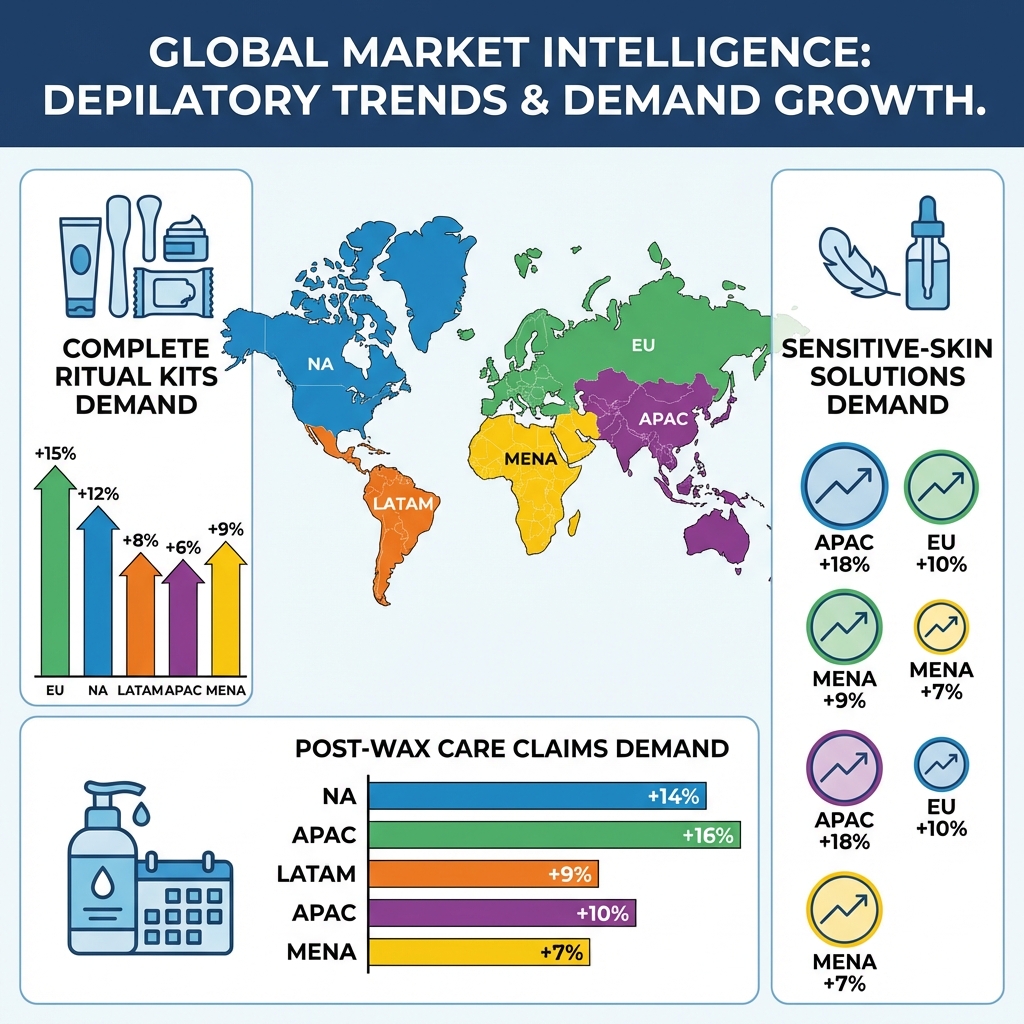
On leading ecommerce platforms, especially the Amazon Beauty marketplace, the once familiar pattern of pore strips, harsh scrubs, and high-foam cleansers occupying the bestseller lists is being disrupted. Consumers now search for sensorially rich balm cleansers that dissolve heavy makeup and sunscreen while promising barrier support, minimal tugging, and no squeaky-clean dryness.
Qualitative review analysis across the Top 100 shows a common narrative. Buyers who historically reached for nose strips now complain about pain, redness, capillary damage, and rebound blackheads. They are actively pivoting to melting balms and oil cleansers, but they still expect visible results: clear pores, reduced congestion around the nose and chin, smoother foundation application, and fewer breakouts linked to incomplete cleansing.
For brand owners, the opportunity is not simply to launch another balm product. It is to architect a tightly integrated system that unites formulation decisions, packaging, regulatory positioning, and logistics into a single flywheel that reinforces algorithmic relevance. PZIK’s vantage point as a global strategic supply chain integrator provides real-time visibility into:
- Which textures (sorbet, sherbet, butter, gel-to-oil) are over- or under-supplied in specific regions.
- Which claim clusters (blackhead removal, fungal-acne safe, microbiome friendly, pregnancy safe) are surging in search and review language.
- How price bands, fill weights, and refillable packaging influence conversion and repeat purchase without compromising stability or GMP feasibility.
Crucially, consumers no longer evaluate cleansers in isolation. A balm enters routines alongside exfoliating acids, retinoids, and barrier creams. Aggressive pore strips that once delivered dramatic peel-off visuals now conflict with dermatologist advice and sensitive skin trends. A modern cleansing balm must therefore deliver both immediate visible payoff and long-term barrier compatibility, validated by instrumentation rather than marketing language alone.
From PZIK’s category mapping, four strategic opportunity spaces emerge for Melting Cleansing Balms:
- Barrier-first balms for sensitive and over-treated skin. Centered on ceramide-mimetic lipids, cholesterol, and fatty acids calibrated to maintain lamellar organization while still removing heavy pigments and SPF.
- Acne-aware balms for congestion-prone users. Using non-comedogenic oils, lightweight ester blends, and optional salicylic or PHA micro-dosing within regulatory limits to support clearer-looking pores without strip-induced trauma.
- Hero-format balms for waterproof and theatrical makeup removal. Engineered for filming, K-beauty, and professional artistry segments that demand rapid removal with minimal rubbing.
- Eco-forward balms for plastic-sensitive consumers. Featuring recycled or refillable packaging, low-rinse technologies, and biodegradable surfactant systems that still deliver the creamy melt experience.
Each of these opportunity spaces requires distinct oil phases, emulsification strategies, and sensorial tuning. Yet they can be built from a common base library of validated balm systems. This is where PZIK’s OEM and ODM infrastructure compresses time-to-market: instead of inventing from zero, brands plug into pre-tested architectures, refine their actives and claims, and scale with predictable cost of goods and margin structures.

Operationally, melting balms introduce new constraints compared with pore strips and traditional gel cleansers. They must maintain structural integrity across temperature excursions during international freight, yet transform instantly at skin temperature and under light manual friction. They must be robust in jar, tube, or stick packaging formats without graining, sweating, or syneresis. They must rinse clean in hard and soft water while remaining microbially stable in high-oil, low-water matrices. PZIK’s cross-factory data captures these stress points, informing the choice of wax systems, co-emulsifiers, and antioxidant packages for each climate profile.
For decision-makers, the question is no longer whether to participate in the balm trend. The strategic question is how to differentiate while still benefiting from scale advantages in raw materials, packaging platforms, and global logistics. The remainder of this paper explains how PZIK’s Advanced Dermatology Platform and OEM capabilities convert that question into a concrete development roadmap.
Technical Deep-Dive: Inside The PZIK Advanced Dermatology Platform
Click to expand: R&D Mechanism & INCI Analysis for Melting Cleansing Balms
PZIK’s Advanced Dermatology Platform is a modular R&D framework that connects clinical endpoints, formulation architecture, and manufacturing feasibility into a single decision matrix. For melting balm cleansers, the platform translates three core objectives into specific INCI-level design rules:
- Complete removal of oil-soluble impurities (sebum, SPF filters, long-wear pigments) with minimal mechanical friction.
- Preservation of stratum corneum barrier lipids and corneocyte cohesion, even in multi-step routines with acids or retinoids.
- High-conversion visual results: visible reduction of surface congestion, smoother texture appearance, and improved radiance in both clinical photography and user-generated content.
1. Core system architecture: from solid balm to rinseable micro-emulsion
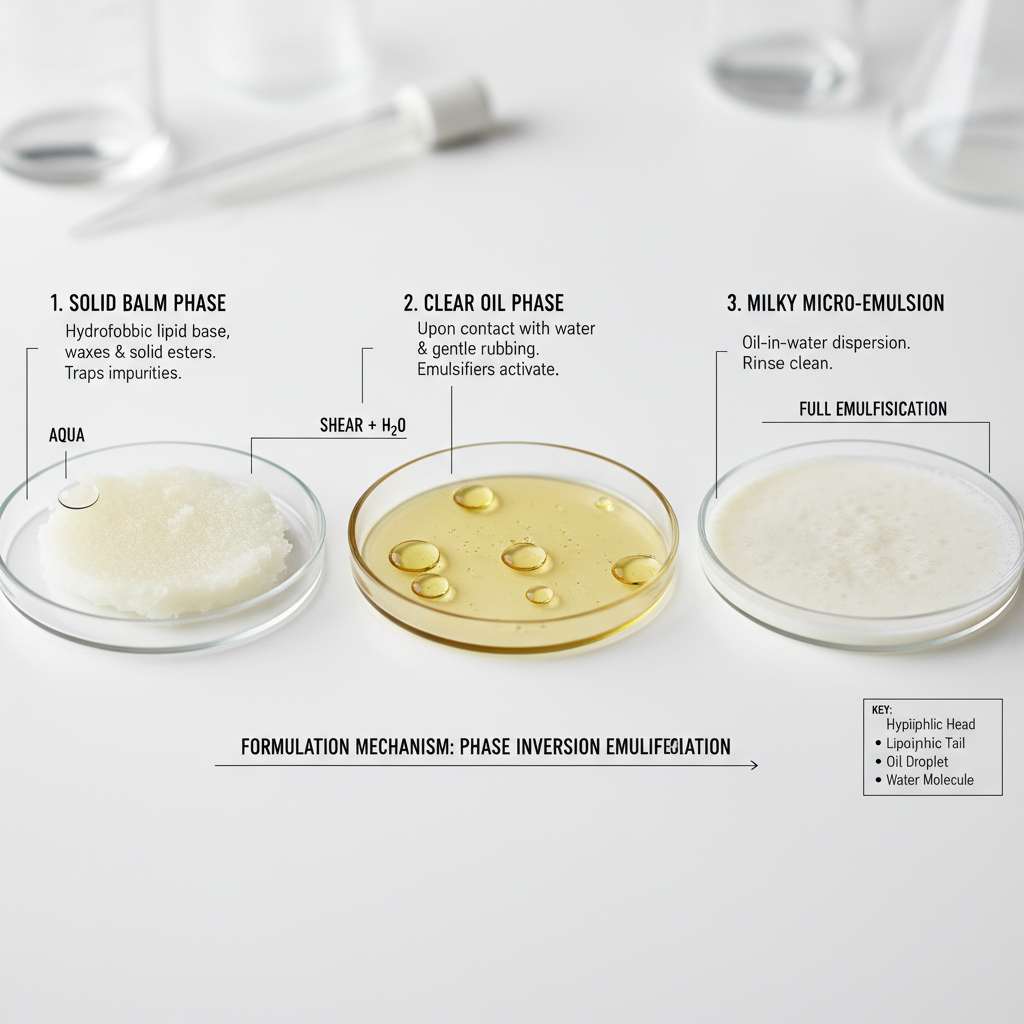
At the heart of a melting balm is a structured oil matrix that transitions through three states: solid-in-jar, liquefied-on-skin, and dispersed-in-water. PZIK engineers this journey by balancing waxes, emollients, and surfactants according to climate, packaging, and sensory targets.
Wax and structurant system. Microcrystalline wax, synthetic beeswax alternatives, and high-melting-point plant waxes provide structure. For cold-chain sensitive markets, we introduce co-structurants that minimize brittleness and crumbling while maintaining glide. The wax fraction is tuned to avoid grainy crystallization over time, particularly in shea- and cocoa-rich systems.
Oil phase and solvent selection. Lightweight ester oils (for example, C13-15 alkane, isopropyl palmitate replacements, and hydrogenated polyisobutene) offer rapid pigment dissolution with low comedogenic potential. Heavier triglycerides and butters support cushion but are carefully capped to avoid occlusion for acne-prone ranges. For ultra-sensitive skin, mineral oil–free, fragrance-free architectures are prioritized; optional squalane and jojoba esters mimic sebum composition to minimize barrier disruption.
Emulsification and rinse-off. PEG-free systems based on polyglyceryl esters and mild non-ionic surfactants form fine micro-emulsions upon contact with water. The surfactant hydrophilic–lipophilic balance is calibrated to generate a low-foam, milky rinse that leaves a conditioned finish rather than a squeak. This is validated through both in-house panel grading and instrumental TEWL and corneometer readings.
2. Clean beauty standards aligned with regulatory and retailer expectations
Many marketplaces and retailers now impose their own restricted substance lists that go beyond legal requirements. PZIK curates INCI libraries that anticipate these filters: no intentionally added microplastics in rinse-off formats, minimized volatile silicones, and optional formulations without PEGs, ethanol, or synthetic fragrances. Where fragrance is used, we design to align with typical allergen disclosure requirements and retailer clean lists, and we can support fragrance-free plus essential-oil-free specifications for the most sensitive launches.
Preservative systems are carefully engineered for low-water, high-oil matrices. Rather than relying solely on traditional preservative blends, we combine packaging hygiene, antioxidant systems, and hurdle technology (low water activity, chelators, multifunctional humectants) to achieve microbiological robustness that stands up to challenge testing.
3. Custom molecular weight actives for differentiated storytelling
Although cleansing products have short contact times, modern consumers expect more than removal. PZIK incorporates targeted actives into balm systems without compromising rinseability or stability. This includes low- and mid-molecular-weight hyaluronic acid for transient hydration, ceramide precursors, niacinamide in well-buffered systems, and gentle polyhydroxy acids (such as gluconolactone) at concentrations compatible with daily use.
For anti-congestion and oily-skin focused balms, we deploy encapsulated salicylic acid or oil-control complexes in carefully balanced amounts, ensuring regulatory compliance in each target market. These actives are positioned as support for clearer-looking pores rather than therapeutic drugs, while still delivering visible refinement when paired with clinical photography and instrument data.
4. Rigorous clinical and instrumental validation for high-conversion visuals
High-conversion visuals – macro close-ups of smoother noses, reduced blackheads, and softer texture – are not just art direction. They must be defensible. PZIK designs balm development programs around measurable endpoints:
- Sebumeter readings before and after cleansing, showing removal of oxidized surface sebum while preserving baseline oil levels over time.
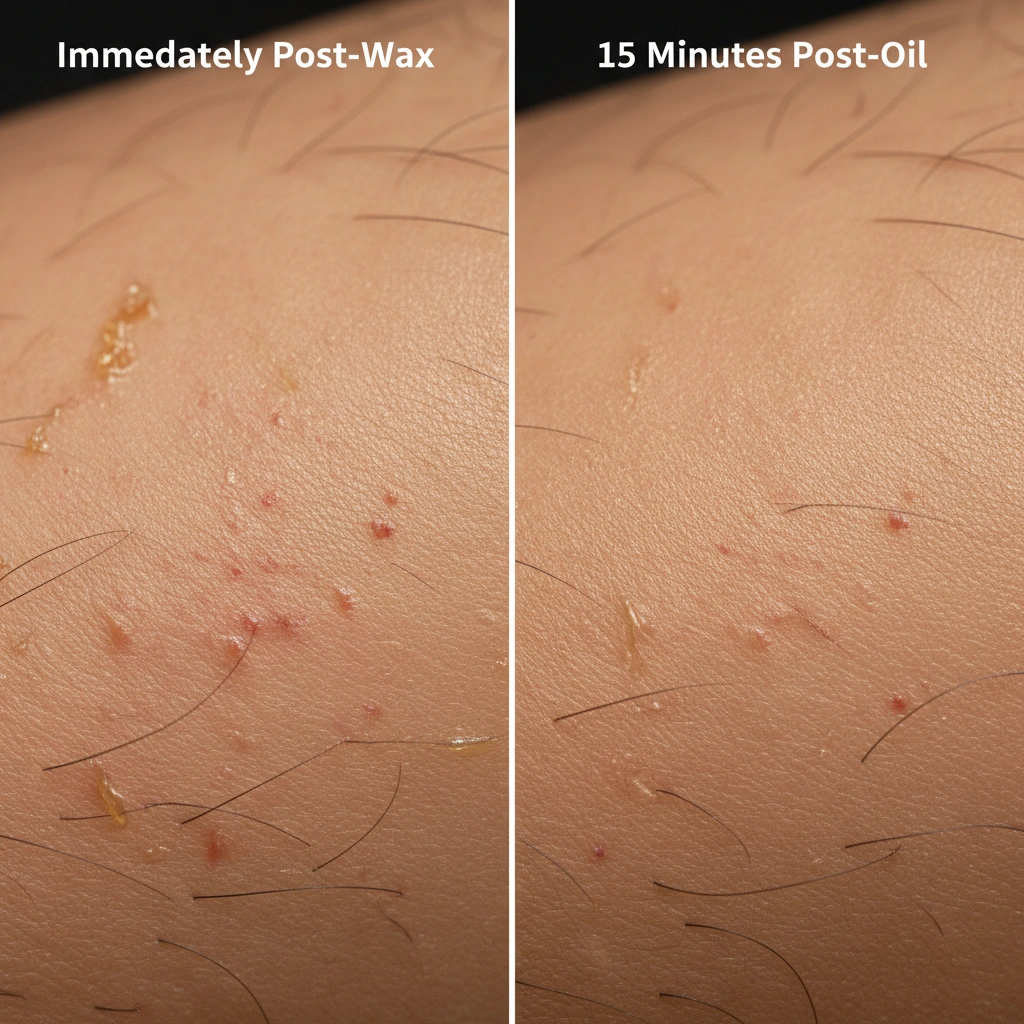
- High-resolution imaging under standardized lighting to quantify visible blackhead reduction and roughness scores over 4–6 weeks.
- TEWL and corneometer assessments versus foaming or strip-based comparators, demonstrating superior barrier preservation.
Panelists are profiled by skin type, ethnicity, and routine complexity to generate claims that translate globally. For example, a balm designed for acid-heavy routines may emphasize comfort and reduced tightness; a balm designed for heavy makeup users may prioritize speed of removal and fewer cotton pads required.
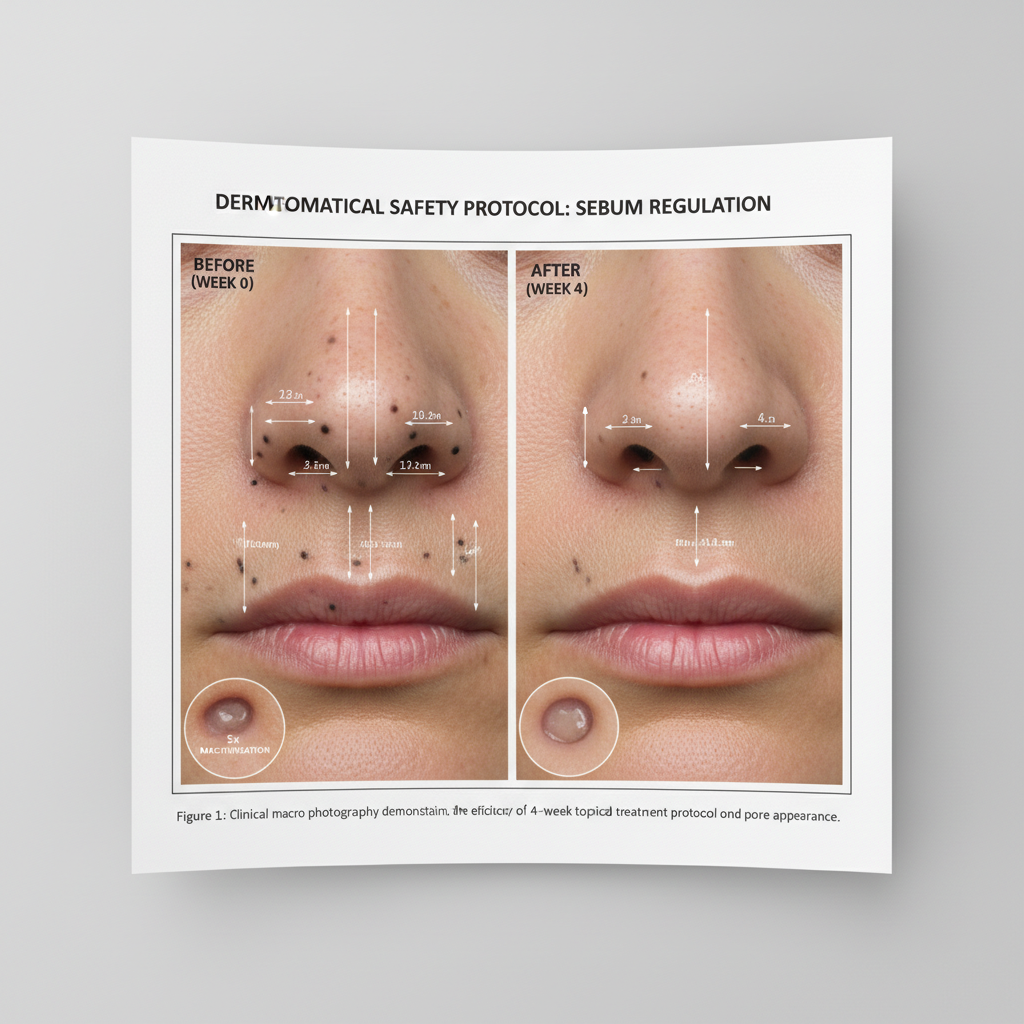
This data becomes the foundation for content strategies: before–after carousels, animation of oil-to-milk transformation, and user-facing language that remains grounded in test results. Partner brands receive ready-to-brief documentation to align claims across packaging, product detail pages, and paid media.
5. Configurable base library and localization
To balance speed and distinctiveness, PZIK maintains a library of balm bases optimized for different axes: purity-first minimalist systems, spa-luxury sensorial profiles, acne-aware ultra-light systems, and eco-forward low-rinse designs. Each base has documented rheological parameters, stability ranges, and packaging compatibility data.
From this foundation, we localize to specific markets: adjusting fragrance palettes, tint levels, or cultural hero ingredients (such as rice bran oil, centella extracts, or fermented actives) while maintaining the underlying cleansing and barrier performance. This modular approach reduces the risk and cost of building entirely new formulas for each region while preserving meaningful differentiation in front of the consumer.
Because the same platform underpins multiple SKUs, brands can extend winning balm architectures into complementary products such as gel-to-milk cleansers or overnight balm masks, creating a cohesive, scalable franchise rather than a one-off launch.
Manufacturing, OEM Efficiency, And Global Compliance
Click to expand: Manufacturing, Scale-Up & Global Compliance Infrastructure
Melting Cleansing Balms occupy a formulation space where minor deviations in process – such as cooling profile, mixing speed, or filling temperature – can manifest as graininess, sweating, or syneresis months later on the shelf. PZIK’s role as a strategic integrator is to align formulation design, factory capabilities, and logistics conditions so that the balm a consumer opens months after purchase still matches the lab benchmark.
1. OEM and ODM efficiency
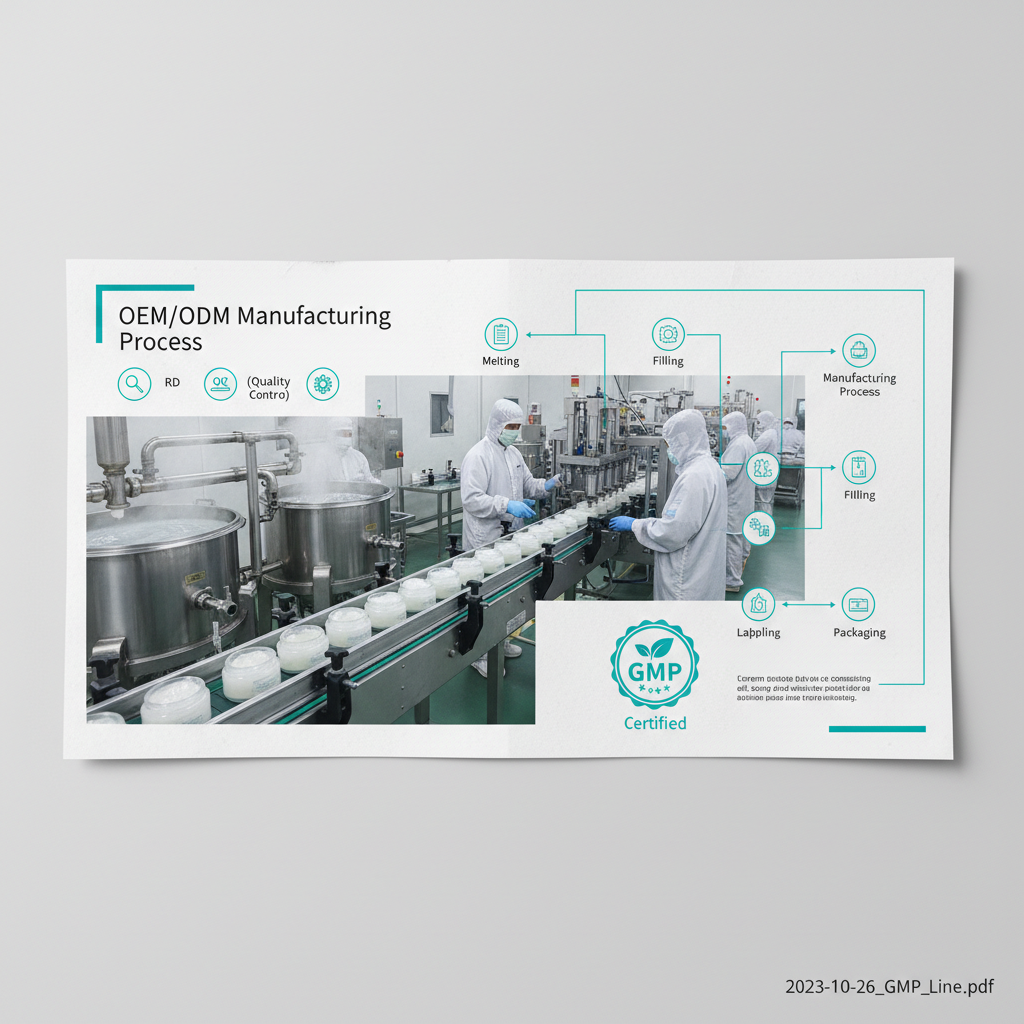
Through our custom beauty OEM infrastructure, PZIK coordinates a network of audited filling partners specialized in anhydrous and high-oil systems. Each partner is profiled for kettle capacity, cooling technology, automation level, and container compatibility (jars, tubes, sticks, and refills), enabling us to match each project with the most suitable line.
We employ standardized technology transfer packages that include detailed batch sheets, shear profiles, temperature curves, and in-process inspection checkpoints. This documentation reduces scale-up iterations and supports consistent rheology from pilot to mass production. For brands operating across multiple regions, we can mirror formulations in different factories while controlling for local raw material sources and water quality.
2. GMP, documentation, and certification support
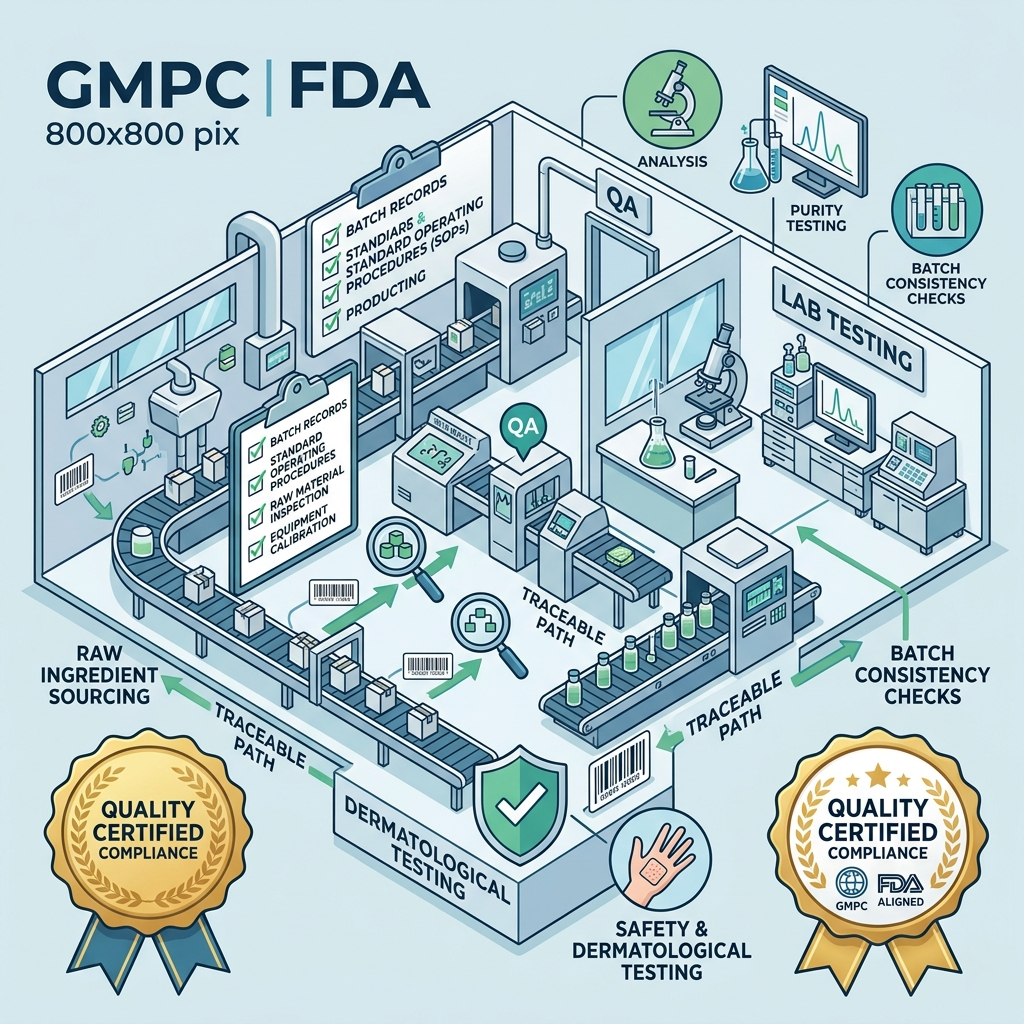
Balm cleansers touch multiple regulatory frameworks across skincare, eye-area safety, and sometimes acne-related claims. PZIK operates within globally recognized cosmetic GMP principles and supports brands in assembling the evidence base needed for regulatory notifications, safety assessments, and retailer onboarding.
Our quality and regulatory teams coordinate stability studies (accelerated and real-time), compatibility testing with intended packaging, and microbiological challenge tests tailored to low-water balm systems. We then collate safety data sheets, IFRA-related fragrance documentation where applicable, and toxicological profiles into market-ready technical files.
To streamline approvals, PZIK offers structured guidance on claim language relative to test data and local expectations, minimizing rework and relabeling risk. Our GMPC/FDA compliance and certification resources are available to support audits, documentation reviews, and ongoing quality monitoring throughout the balm product lifecycle.
3. Packaging, sustainability, and logistics integration
Packaging is not a secondary decision for melting balms. Jar diameter, wall thickness, and closure integrity all influence cooling behavior, headspace oxygen exposure, and long-term stability. PZIK models these variables upstream, pairing formulations with packaging that can withstand thermal cycling during global transport while meeting brand sustainability goals.
For eco-forward ranges, we evaluate refills, aluminum or glass formats, and mono-material plastics against criteria such as breakage risk, weight impact on freight emissions, and recyclability. Logistics teams feed back route and warehouse data so that lab stress testing reflects real-world temperature and humidity patterns across key lanes.
End-to-end visibility ensures that when a balm cleanser climbs into the Amazon Top 100, supply does not become a bottleneck. Production planning, component procurement, and regional inventory positioning are orchestrated through the same strategic lens that shaped the formulation and claim strategy.
The result is not merely a compliant product, but a resilient, scalable Melting Cleansing Balms platform that can be extended into seasonal fragrances, limited editions, co-branded influencer collaborations, and retailer-exclusive variants without destabilizing operations.
Turn Melting Cleansing Balms Into Your Next Scalable Growth Engine
Whether you are replacing legacy pore strips, expanding an existing cleansing range, or building a balm-first brand from the ground up, PZIK integrates R&D, OEM manufacturing, and global supply chain execution into a single, data-driven partnership. Our teams can help you define the right texture, active profile, and regulatory pathway for each target market while preserving margin and operational resilience.
Contact the PZIK R&D team to brief your Melting Cleansing Balm project
From concept sketch to first purchase order, PZIK acts as your behind-the-scenes integrator, ensuring that Precision Skin Science translates into consumer trust, five-star reviews, and durable category leadership.




Ajouter un commentaire