










Retinol in Skincare Explained Benefits, Safe Use, and Routine Tips
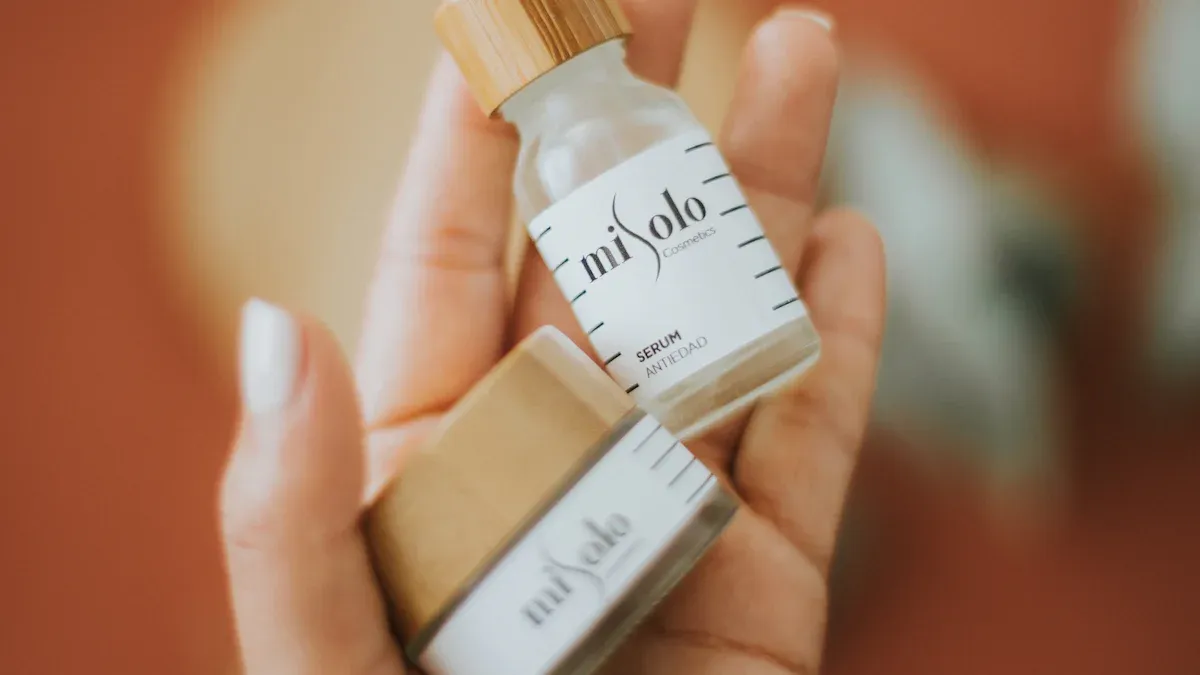
Retinol in Skincare stands out as a gold-standard ingredient that many people trust for visible results. You see it in products that target wrinkles, acne, and dull skin. This vitamin A derivative helps your skin renew itself, making it smoother and brighter. Safe use matters because retinol can cause irritation if you do not introduce it slowly. People around the world rely on retinol for better skin:
In 2023, nearly 76% of women used retinol beauty products.
More than 40% of women over 30 include retinol in their routines.
The global market for retinol products keeps growing every year.
Key Takeaways
Retinol is a powerful ingredient that helps improve skin texture, reduce wrinkles, and manage acne. Regular use can lead to smoother, brighter skin.
Start using retinol slowly to allow your skin to adjust. Begin with two or three nights a week and gradually increase frequency as your skin becomes accustomed.
Pair retinol with hydrating ingredients like hyaluronic acid and niacinamide to minimize dryness and irritation. This combination enhances the benefits of retinol.
Always apply retinol at night. Sunlight can break down retinol, making it less effective. Use sunscreen daily to protect your skin from increased sensitivity.
Choose the right retinol product based on your skin type. Options range from creams to serums, allowing you to find a formula that suits your needs.
Retinol in Skincare: What and Why

Retinoid Family Overview
You may wonder how retinol fits into the bigger picture of vitamin A ingredients. Retinol belongs to the retinoid family, which includes several forms that work in your skin at different strengths. Each type needs a certain number of steps to become active and deliver results.
Here is a simple table to help you compare the main retinoids:
Retinoid Type | Conversion Steps to Retinoic Acid | Potency Level |
|---|---|---|
Retinol | 2 | Less Potent |
Retinal | 1 | More Potent |
Retinoic Acid | 0 | Most Potent |
Retinol is the alcohol form of vitamin A. Your skin must convert it twice before it becomes retinoic acid, the active form.
Retinal needs only one conversion step, so it works faster and is stronger than retinol.
Retinoic acid does not need any conversion. It binds directly to skin cell receptors and starts working right away.
Retinol in Skincare stands out because it offers a balance between effectiveness and gentleness. You get visible results with less risk of irritation compared to stronger retinoids.
How Retinol in Skincare Works
Retinol in Skincare helps your skin renew itself from the inside out. When you apply retinol, your skin converts it into retinoic acid. This active form interacts with special receptors in your skin cells, such as RARs and RXRs. These receptors control how your skin cells grow, divide, and repair themselves.
Retinol activates retinoic acid receptors and retinoid X receptors. These control gene transcription and cell differentiation.
It modulates growth factors and cytokines. These help manage inflammation and support the skin’s structure.
Retinol triggers changes in both the epidermis and dermis. It affects keratinocytes and fibroblasts, which are key skin cells.
In the epidermis, retinol exfoliates dead cells, smooths rough patches, and reduces pigmentation. Your skin looks brighter and feels softer.
In the dermis, retinol boosts collagen and elastin production. This makes your skin firmer and helps reduce wrinkles.
Tip: You may notice smoother, brighter skin after a few weeks of regular use. Consistency is key for long-term benefits.
Product Types
You can find retinol in many skincare products. Brands offer different formats to suit your skin’s needs and preferences.
Lotions, creams, powders, and serums are popular choices.
Some products combine retinol with moisturizers to help reduce dryness and irritation.
Concentrations vary from gentle formulas for sensitive skin to stronger options for oily or mature skin.
Major brands like Unilever and L’Oreal provide a wide range of retinol concentrations. You can choose a product that matches your skin type and goals.
The market for retinol products keeps growing. You have more choices than ever, whether you want a simple cream or a powerful serum.
Note: Start with a lower concentration if you are new to retinol. You can increase strength as your skin builds tolerance.
Retinol Benefits
Anti-Aging Effects
You want smoother, younger-looking skin. Retinol in Skincare helps you fight signs of aging like fine lines and wrinkles. When you use retinol, your skin starts to produce more collagen. Collagen makes your skin thicker and stronger. Over time, you notice fewer wrinkles and firmer skin.
Retinol increases collagen production and as a result, dermal thickness, making skin thicker and more resilient against signs of aging like fine lines and wrinkles. Clinical studies have consistently shown that after 6 months of using retinol the skin’s epidermis and dermis are significantly thicker.
Many clinical trials have tested retinol’s anti-aging effects. The table below shows what researchers found:
Trial Characteristics | Findings | Methodological Issues |
|---|---|---|
Nine randomized, double-blind, vehicle-controlled trials | Weak evidence for retinol’s anti-aging effects, with only mild improvements noted in fine wrinkles | Significant flaws in trial design, including lack of endpoint designation and power calculations, potential evaluator bias, and inadequate statistical analysis |
You may see mild improvements in fine wrinkles after regular use. Results take time. You need patience and consistency to get the best outcome.
Acne and Oil Control
Retinol in Skincare also helps you manage acne and oily skin. Retinol works by reducing the amount of oil your skin produces. Less oil means fewer clogged pores and less acne. Scientists found that retinoids slow down the growth and activity of sebocytes, the cells that make oil.
Studies show that retinol can help with both noninflammatory and inflammatory acne. The table below highlights key findings:
Study/Source | Findings |
|---|---|
2017 Study | Topical retinoids are beneficial for treating both noninflammatory and inflammatory acne. |
Another Study | Retinoids can reduce sebum production and help control acne. |
After eight weeks, a reduction in sebum production was recorded for all groups.
The decrease in sebum secretion was more pronounced for the cream containing retinol-charged nanoparticles.
In vitro studies show that retinoids reduce the proliferation and activity of sebocytes.
You may notice fewer breakouts and less shine on your skin after using retinol for several weeks. Retinol in Skincare gives you a way to control oil and keep your skin clear.
Brightening and Texture
You want your skin to look bright and feel smooth. Retinol in Skincare helps you achieve this by speeding up cell turnover. Old, dull skin cells shed faster, and new cells come to the surface. Your skin looks fresher and more even.
Dermatological research shows that retinol improves skin texture and brightness. The table below summarizes important studies:
Study | Findings |
|---|---|
Kang et al (1995) | Induced epidermal thickening and enhanced expression of CRABP II and CRBP mRNAs and proteins. |
Fluhr et al (1999) | Confirmed retinol produces less transepidermal water loss, erythema, and scaling than retinoic acid. |
Fisher et al (1996, 1997) | Demonstrated retinol inhibits UV induction of MMP and stimulates collagen synthesis in photoaged skin. |
Duell et al (1996) | Showed retinol could be as effective as retinoic acid in producing histological changes with less irritancy. |
Pierard-Franchimont et al (1998) | Observed significant improvement in fine wrinkles after 12 weeks of retinol treatment. |
Varani et al (2000) | Found retinol application reduced MMP, collagenase, and gelatinase expression, increasing fibroblast growth and collagen synthesis. |
You see smoother skin and a brighter complexion after using retinol regularly. Your skin feels softer and looks more radiant.
Tip: Use sunscreen every day when you use retinol. This helps protect your skin and keeps it looking healthy.
Retinol Use Tips

Getting Started
You want to add retinol to your routine. Start slow to help your skin adjust. Here are steps for beginners:
Begin with retinol two or three nights each week. Increase use as your skin gets used to it.
Apply retinol in the evening. Sunlight can break down retinol and make your skin more sensitive.
After cleansing, use a pea-sized amount of retinol. Follow with a moisturizer to keep your skin hydrated.
Pair retinol with hydrating ingredients like hyaluronic acid and soothing ones like niacinamide.
Use sunscreen every morning. Choose a broad-spectrum SPF 30 or higher.
Tip: Consistency helps you see results while lowering the risk of irritation.
Application Best Practices
You can boost retinol’s benefits and lower irritation with smart application methods:
Encapsulated retinol absorbs better and feels gentler on your skin.
Nanoparticles help deliver retinol deeper and reduce redness.
Anti-irritation ingredients like glucosamine, trehalose, and omega-9 soothe your skin.
Invasomes improve penetration and comfort.
Film-forming sprays spread retinol evenly and help prevent irritation.
Managing Side Effects
Retinol may cause dryness, redness, or breakouts. You can manage these effects:
Dryness and flakiness: Use a hydrating moisturizer and start slowly.
Redness and irritation: Patch test, pick lower strengths, and use less often.
Sun sensitivity: Apply retinol at night and wear sunscreen daily.
Breakouts: Stay consistent and avoid mixing with strong actives.
Peeling near eyes: Skip the eye area at first and use a gentle eye cream.
Note: If your skin feels sore or peels, pause retinol for a few days.
Choosing Formats
Pick the right retinol product for your skin type:
Dry skin: Retinol oils lock in moisture. Layer with a moisturizer for extra hydration.
Oily skin: Retinol with salicylic acid controls oil and helps clear acne.
Sensitive or damaged skin: Barrier repair moisturizers with retinol protect and soothe.
Retinol in Skincare works best when you match the format to your skin’s needs.
Who Should Use Retinol
Ideal Users
You might wonder if retinol is right for you. Dermatologists recommend starting retinol as early as your 20s. Using retinol at a younger age helps prevent fine lines and wrinkles before they appear. If you are in your 30s or 40s, you can still benefit from retinol. It helps smooth your skin and fade early signs of aging. People with mature skin often see improvements in texture and firmness. Retinol also works well for those who want to treat acne or uneven skin tone. You can use retinol if you want brighter, clearer, and healthier-looking skin. It is never too early or too late to add retinol to your skincare routine.
Tip: Start with a low concentration if you are new to retinol. This helps your skin adjust and lowers the chance of irritation.
Who Should Avoid
Retinol is not for everyone. Some people should avoid it because of health risks or skin sensitivity. If you have sensitive skin, such as rosacea, you may not tolerate retinol well. Pregnant women, nursing mothers, and those planning pregnancy should not use retinol. Retinol can affect vitamin A signaling, which may harm fetal development. People who spend a lot of time in direct sunlight should also be careful. Retinol can make your skin more sensitive to the sun.
Condition/Population | Contraindication Reason |
|---|---|
Pregnant women | Retinoids can interfere with Vitamin A signaling, posing risks to embryonic development. |
Nursing mothers | Similar risks as pregnant women regarding retinoid exposure. |
Individuals planning pregnancy | Potential risks to fetal development from retinoid exposure. |
People with sensitive skin (e.g., rosacea) | Cannot tolerate strong topicals like retinols. |
Those spending time in direct sunlight | Increased risk of irritation and adverse effects without proper sun protection. |
Sensitive skin conditions like rosacea may react badly to retinol.
Pregnant women, nursing mothers, and those planning pregnancy should avoid retinol.
If you spend hours outdoors, use strong sun protection or consider skipping retinol.
Note: Always check with your dermatologist before starting retinol if you have health concerns or sensitive skin.
Retinol vs. Other Retinoids
Retinaldehyde Comparison
You may see both retinol and retinaldehyde in skincare products. These ingredients belong to the same family, but they work a bit differently. Retinaldehyde acts faster than retinol because your skin only needs one step to turn it into retinoic acid. Retinol needs two steps. This means you can see results sooner with retinaldehyde.
Aspect | Retinol | Retinaldehyde |
|---|---|---|
Potency | Less potent, requires two steps | More potent, requires one step |
Speed of action | Slower improvements | Faster improvements |
Side effects | More irritation, burning, peeling | Less irritation, better tolerated |
Suitable for | Sensitive skin, but may irritate | Better for sensitive skin |
Retinaldehyde often feels gentler on your skin. You may notice less burning or peeling. If you have sensitive skin, you might prefer retinaldehyde. Both can cause dryness or redness at first, but retinaldehyde usually causes fewer problems.
Retinaldehyde gives you quicker improvements in skin texture and tone. You get a good balance of results and comfort.
Retinoic Acid Comparison
Retinoic acid, also called tretinoin or Retin-A, is the strongest form. Your skin does not need to convert it. Doctors often prescribe it for acne, wrinkles, and dark spots. Retinol is weaker because your skin must change it into retinoic acid before it works.
Feature | Retinol | Retin-A (Tretinoin) |
|---|---|---|
Prescription | Over-the-counter | Requires a prescription |
Strength | Lower; must convert to retinoic acid | Higher; effective immediately |
Usage | Minimizes wrinkles, evens skin tone | Treats acne, wrinkles, and hyperpigmentation |
Side Effects | Low risk; minor dryness, irritation | Higher risk; redness, peeling, stinging |
You can buy retinol at the store, but you need a doctor’s note for retinoic acid. Retinol works more slowly and gently. Retinoic acid works faster but can cause more redness and peeling. If you want strong results and do not mind side effects, retinoic acid may suit you. If you want a milder option, retinol is a good choice.
Bakuchiol and Alternatives
Bakuchiol is a plant-based alternative to retinol. You may see it in products for sensitive skin. Studies show bakuchiol can reduce wrinkles and dark spots as well as retinol. It causes less redness and peeling.
Aspect | Bakuchiol | Retinol |
|---|---|---|
Reduction in wrinkle depth | 20% | 20% |
59% | 44% | |
Side effects | Less facial scaling and redness | More redness, irritation, and peeling |

You can use bakuchiol if you want results like retinol but with less irritation. Some studies also show bakuchiol helps with acne. You get smoother, brighter skin without the common side effects of retinol.
Pairing Retinol
Hydration and Barrier Support
You can protect your skin and boost results by pairing retinol with hydrating ingredients. Retinol sometimes causes dryness, so you need extra moisture. Hyaluronic acid and niacinamide work well with retinol. Hyaluronic acid keeps your skin hydrated and plump. Niacinamide balances oil, reduces redness, and brightens your skin. These ingredients help your skin barrier stay strong.
Ingredient | Benefits |
|---|---|
Hyaluronic Acid | Maintains hydration levels, plumps skin, reduces fine lines, and supports moisture barrier. |
Niacinamide | Balances oil production, reduces redness, fades dark spots, and enhances skin radiance. |
Tip: Apply a moisturizer with hyaluronic acid or niacinamide after retinol to lock in hydration.
Collagen Synergy
You can get better anti-aging results by combining retinol with collagen-boosting ingredients. Retinol speeds up cell turnover and helps your skin make more collagen. Peptides tell your skin to produce collagen and elastin, making it firmer and more elastic. When you use retinol and peptides together, you see fewer wrinkles and stronger skin.
Retinol stimulates cell turnover and collagen production, reducing fine lines and wrinkles.
Peptides signal cells to produce collagen and elastin, enhancing skin firmness and elasticity.
Together, they amplify each other’s benefits for a comprehensive anti-aging approach.
Hyaluronic acid and retinol work together to minimize visible signs of aging.
This combination encourages hydration and a firmer appearance.
Their synergy enhances overall skin health.
You can layer a peptide serum before your retinol or choose a product that combines both.
Soothing Ingredients
You may notice irritation when you start using retinol. Soothing ingredients help calm your skin and reduce redness. Ceramides, panthenol, acetyl glucosamine, and Centella asiatica (Tiger grass) are gentle options. These ingredients show low irritation scores and help your skin feel comfortable.
Ingredient | MCII Value | Grade 2 Reactions |
|---|---|---|
2% PLG | 0.26±0.24 | 0 |
5% Ceramides | 0.42±0.31 | 0 |
3% Acetyl Glucosamine | 0.51±0.32 | 0 |
2% Panthenol | 0.55±0.35 | 0 |
0.2% TECA | 0.62±0.30 | 0 |
0.5% Centella Asiatica | 0.68±0.25 | 0 |

A-SoothingUp RB is designed to calm irritation from retinol.
Centella asiatica helps soothe and repair your skin.
You can look for creams with these ingredients to make your retinol routine more comfortable.
Retinol Myths
Skin Thinning
You might hear that retinol thins your skin. This is not true. Retinol actually helps your skin become stronger and thicker over time. When you start using retinol, you may notice redness or peeling. These effects do not mean your skin is thinning. Your skin is just adjusting. Retinol speeds up cell turnover and boosts collagen, which makes your skin more resilient.
Redness and peeling are temporary and show your skin is adapting.
Retinol thickens the dermis and improves skin strength.
Dermatologists like Dr. Rosalind Simpson confirm that retinol improves your skin by increasing collagen. The exfoliation you see is often mistaken for thinning, but it is a sign of renewal.
Age and Use
You may wonder when to start using retinol. Experts say there is no strict age. Many dermatologists recommend starting in your 20s. Your skin’s renewal slows down in your mid-twenties. Using retinol early helps prevent signs of aging.
“Prevention is always better than correction, which means that using retinol early in life will prevent signs of aging. Our skin cell renewal starts slowing down in the mid-twenties, so starting to use retinol around that time is a great consideration.” — Dr. Sethi
Sunlight and Timing
Retinol works best at night. Sunlight breaks down retinol and makes it less effective. If you use retinol during the day, you lose many benefits.
“The main reason retinol is recommended for nighttime use is that ultraviolet light (like from the sun) can make retinoids less effective. By applying your retinol before heading out for the day, you’ll get fewer benefits.”
“Retinol traditionally has been used in the evening because the molecule is highly unstable in the presence of UV light. Retinoids are naturally photo-unstable, meaning they break down in sunlight, making them less effective.”
Results Timeline
You may expect instant results, but retinol takes time. Most people see clearer and smoother skin after two to four months. By three months, you can notice fewer fine lines, better texture, and a more even tone.
Skin gets clearer and smoother after 2-4 months.
Fine lines and acne improve after three months of regular use.
Ingredient Compatibility
You need to know which ingredients work well with retinol. Some ingredients help, while others can cause problems.
Ingredient | Compatibility with Retinol | Reason for Compatibility/Incompatibility |
|---|---|---|
Hyaluronic Acid | Compatible | Hydrates and counters retinol’s drying effects. |
Salicylic Acid | Incompatible | Can cause increased dryness and irritation when mixed. |
Benzoyl Peroxide | Incompatible | May irritate skin and reduce effectiveness of retinol. |
Glycolic Acid | Incompatible | Can lead to irritation and skin damage when used together. |
Vitamin C | Incompatible | May reduce the effectiveness of retinol and cause irritation. |
Niacinamide | Compatible | Helps calm the skin and enhances benefits of retinol. |
Pair retinol with hydrating and calming ingredients like hyaluronic acid and niacinamide. Avoid mixing it with strong acids or vitamin C to keep your skin healthy.
Retinol for Skin Types
Dry Skin
You may notice that your skin feels tight or flaky. Retinol can help renew your skin, but you need to use it carefully. Start with a low concentration, such as 0.01-0.05%. This gentle approach helps you test your skin’s tolerance. Apply retinol every third night at first. Gradually increase how often you use it as your skin adjusts. Always follow with a rich moisturizer to lock in hydration.
Begin with 0.01-0.05% retinol.
Apply every third night.
Use a creamy or oil-based formula for extra moisture.
Layer with a hydrating moisturizer.
Tip: Look for products that combine retinol with hyaluronic acid or ceramides to support your skin barrier.
Oily Skin
If your skin looks shiny or feels greasy, retinol can help control oil and reduce breakouts. Choose a lightweight serum or gel-based product. These formats absorb quickly and do not add extra oil. Start with a low percentage of retinol and slowly increase as your skin builds tolerance. Retinol helps regulate oil production and can make your pores look smaller.
Use a lightweight serum or gel after toning.
Start with a low percentage and increase gradually.
Retinol helps balance oil and minimize pores.
Note: Avoid heavy creams that may clog pores.
Sensitive Skin
Sensitive skin needs extra care when you use retinol. Begin with the lowest concentration available. Use retinol just two nights a week at first. Try the sandwich method: apply moisturizer, then retinol, then another layer of moisturizer. This technique cushions your skin and reduces irritation. Pair retinol with hydrating ingredients like hyaluronic acid and ceramides.
Start with a low concentration.
Use retinol two nights a week.
Try the sandwich method with moisturizer.
Pair with hydrating ingredients.
“It’s a marathon, not a sprint. Ease into any retinol product to reduce irritation, redness, and dryness.”
Combination Skin
Combination skin can feel oily in some areas and dry in others. You need a balanced approach. Use a lightweight serum on your T-zone and a creamier formula on drier areas. Start with a low to moderate concentration. Adjust how often you use retinol based on how your skin reacts. Always follow with a gentle moisturizer.
Skin Area | Product Type | Frequency |
|---|---|---|
Oily (T-zone) | Lightweight serum | 2-3 times a week |
Dry (cheeks) | Cream or lotion | 1-2 times a week |
Tip: Listen to your skin and adjust your routine as needed for best results.
Retinol Market Trends
Global Demand
You see more people using retinol every year. The market for retinol skincare products keeps growing. Experts predict that the market will increase by over $164 million from 2023 to 2028. The value of retinol products reached $2.18 billion in 2024. By 2025, this number will rise to $2.35 billion. In 2035, the market could reach $5 billion. This growth means more brands will offer new products for you to try.
More people learn about the benefits of retinol.
Anti-aging results make retinol popular.
Online shopping helps more people buy retinol products.
The market grows at a rate of about 7.8% each year.
The demand for retinol keeps rising as you and others look for proven ways to care for your skin.
Product Innovation
You now have more choices than ever before. Brands create new formulas to make retinol easier to use. Many companies use gentle delivery systems, like encapsulated retinol, to reduce irritation. Some products mix retinol with soothing ingredients, so you get results with less redness or dryness. You can find retinol in creams, serums, oils, and even powders.
Product Type | Benefit |
|---|---|
Encapsulated | Less irritation, slow release |
Serum | Fast absorption, lightweight |
Cream | Extra moisture, gentle feel |
Oil | Locks in hydration |
You can pick a product that fits your skin type and comfort level.
Customization
You want skincare that matches your needs. Brands now offer retinol products for every skin type. You can choose low or high concentrations. Some brands let you build your own routine with boosters or mix-ins. You may see products for sensitive, oily, or dry skin. Customization helps you get the best results without side effects.
Pick your retinol strength.
Choose a format that feels good on your skin.
Find products with added hydration or calming ingredients.
Custom options make it easier for you to enjoy the benefits of retinol, no matter your skin goals.
Retinol gives you powerful results for smoother, clearer, and younger-looking skin. You can use it to fight wrinkles, acne, and dullness. Always check your skin type before you start. Begin with a gentle formula and increase slowly. Stay informed about new products and research. Choose evidence-based options for the best results.
Remember: Your skin is unique. Listen to it and adjust your routine as needed.
FAQ
How often should you use retinol?
Start with two or three nights a week. Let your skin adjust before using it more often. Increase frequency slowly if your skin feels comfortable.
Can you use retinol with other active ingredients?
Pair retinol with hydrating ingredients like hyaluronic acid or niacinamide. Avoid strong acids or vitamin C at the same time. This helps prevent irritation.
What age is best to start retinol?
You can begin using retinol in your mid-20s. Early use helps prevent signs of aging and keeps your skin looking fresh.
What should you do if retinol causes irritation?
Stop using retinol for a few days. Apply a gentle moisturizer. Restart with a lower concentration or less frequent use. Always listen to your skin.


Add comment