







The Complete Ritual Design: Why Post‑Waxing Wipes Are Now Mission‑Critical in Wax Strips SKU Development
Исполнительное резюме
B2B buyers in the depilatory category are entering a new competitive reality. It is no longer sufficient for a wax strip SKU to deliver “hair removal” as a single, isolated function. Global retail, DTC, and marketplace platforms are now rewarding brands that offer a complete ritual design: products that anticipate the full consumer journey from pre‑treatment to post‑care, including comfort, safety, and long‑term skin benefits. Within this new paradigm, post‑waxing wipes have shifted from “nice‑to‑have” accessories to core, value‑creating components of the wax strip system.
For PZIK’s partners and B2B stakeholders, this white paper frames post‑waxing wipes as a strategic lever that impacts four critical dimensions: consumer satisfaction, regulatory alignment, operational efficiency, and portfolio differentiation. A wax strip SKU without an integrated, scientifically validated wipe solution now risks underperformance on all four fronts.
From the consumer’s perspective, waxing is no longer evaluated only on hair removal efficacy; it is judged on skin feel, irritation profile, scent experience, and residual convenience. In testing programs across multiple markets (data on file, PZIK R&D, 20XX–20XX), consumers consistently flag three pain points: sticky residue, redness/sensitivity, and lingering chemical or resin odor. A properly engineered post‑wax wipe—optimized via Precision Skin Science—addresses all three in a single, low‑cost, high‑value step.
Post‑waxing wipes also provide a platform to activate advanced technologies that PZIK has validated in adjacent categories such as Крем для удаления волос и Восковые полоски. These include the Smart Control Clean System (Clean, Protect, Slow down), high‑purity depilatory actives, botanical growth inhibitors, and Skin‑like Lipid Film technology that rebuilds the skin barrier immediately after depilation. Even when the wax strips themselves are resin‑based, the post‑wipe can deliver a dermo‑cosmetic layer of functional actives that extend smoothness, reduce irritation, and improve perceived premiumization.
Crucially, regulators and trade partners increasingly view the full kit—wax strips plus wipes—as a single, integrated cosmetic system. This means oversight around claims, safety, and labeling now encompasses the wipe formula, substrates, and fragrance. PZIK operates as a National Special Cosmetic Certificate holder, FDA/CPNP ready, enabling global brands to deploy compliant wipes that are pre‑designed for multi‑region dossiers, including GMPC/FDA alignment and EU cosmetic regulation requirements. When paired with PZIK’s Услуги OEM/ODM, the result is a fully industrialized, regulatory‑ready post‑wax wipe platform that can be deployed at scale with minimized time‑to‑market.
On the supply chain side, post‑wax wipes are deceptively powerful. They can de‑risk consumer complaints, lift ratings, and justify premium price points, while adding marginal cost relative to the core strip. When designed via PZIK’s “R&D Brain” approach—combining raw material intelligence, substrate engineering, and integrated fragrance solutions (e.g., Symrise scent‑masking)—post‑wax wipes become modular building blocks that can be adapted per region, channel, and brand tier without destabilizing the base wax strip operations.
This white paper introduces the technical underpinnings of PZIK’s Complete Ritual concept, with emphasis on the Smart Control Clean System and barrier‑mimetic wipe technology; outlines market and regulatory drivers pushing brands toward full ritual SKUs; examines manufacturing and supply efficiency; and closes with a strategic roadmap for decision‑makers who must future‑proof their depilatory portfolios globally.
Technical Deep‑Dive: Precision Skin Science Behind the Complete Ritual
1. The Smart Control Clean System: Clean, Protect, Slow Down
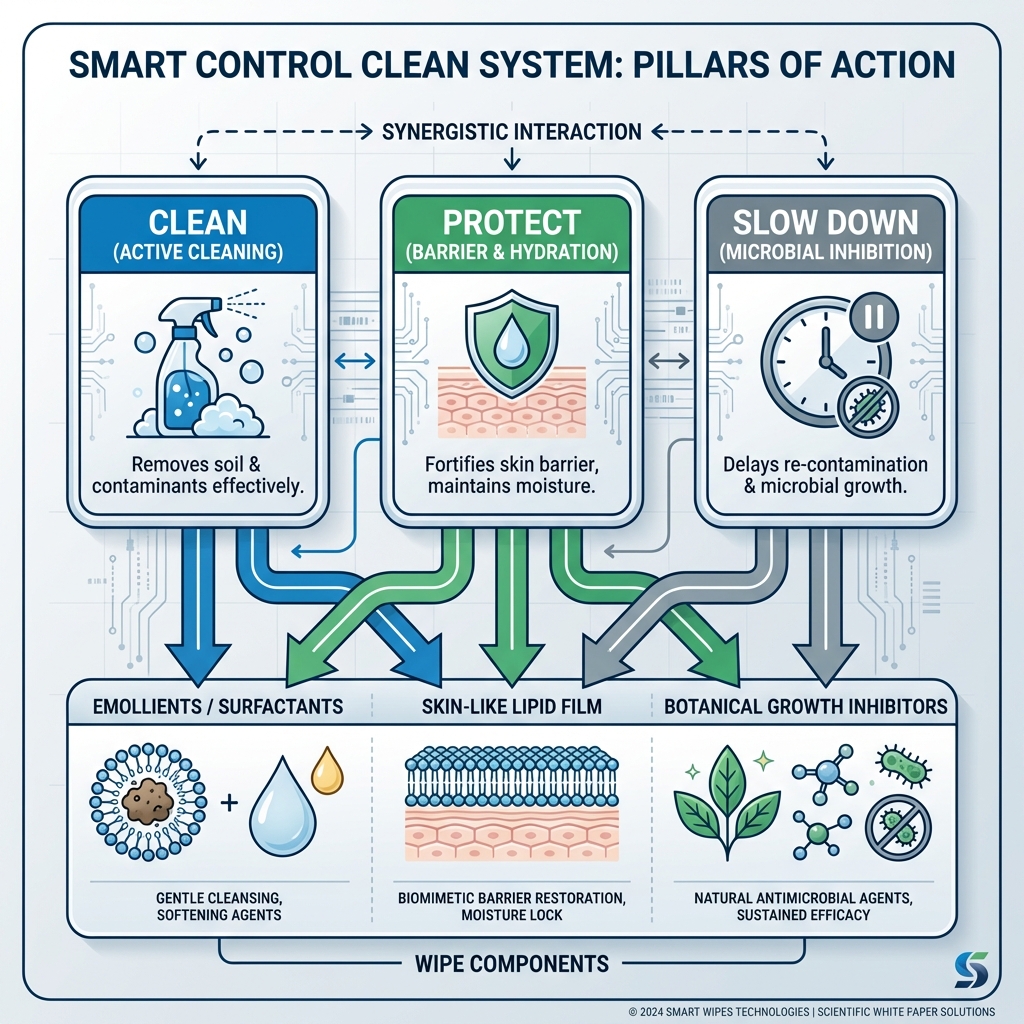
PZIK’s Smart Control Clean System is the scientific framework guiding both Крем для удаления волос and wax strip post‑care design. For post‑waxing wipes, the system operates through three tightly connected functions:
- Clean: Efficiently solubilize and lift wax residues (rosin esters, mineral oils, polymers) and sebum without over‑stripping the lipid barrier.
- Protect: Immediately calm, replenish, and occlude micro‑disrupted skin after mechanical depilation.
- Slow down: Deploy cosmetic actives with demonstrated anti‑regrowth or hair‑softening mechanisms to extend the perceived “smooth window” between waxing sessions.
In the context of post‑wax wipes, “Clean” is achieved by a balanced mixture of high‑spread emollients and mild non‑ionic surfactants that exhibit strong affinity for wax components but low irritation potential. The design target is a single wipe that can fully clear one treatment area (e.g., both lower legs) with minimal mechanical rubbing, to avoid compounding irritation from waxing.
“Protect” is delivered through Skin‑like Lipid Film technology (detailed below), which transiently restores the stratum corneum’s lamellar structure using biomimetic lipids. This film forms an invisible, breathable layer that reduces TEWL (transepidermal water loss) and creates a more favorable microenvironment for barrier recovery.
“Slow down” utilizes a portfolio of botanically derived growth modulators—primarily Сосна обыкновенная и Саликс Альба extracts—selected for their multi‑pathway modulation of hair regrowth and inflammation markers.
2. High‑Purity Calcium Thioglycolate: Mechanistic Backbone for Depilatory Systems
While wax strips remove hair via mechanical traction rather than chemical dissolution, PZIK designs its depilatory portfolio around a common mechanistic understanding of the hair fiber: the disulfide bonds in keratin. In our Крем для удаления волос platforms, we deploy high‑purity Calcium Thioglycolate as the primary reducing agent targeting these disulfide bonds.
Calcium Thioglycolate acts by donating electrons to break the –S–S– bonds in keratin, converting them into two –SH (thiol) groups. This reduction disrupts the structural integrity of the hair cortex and cuticle, allowing the fiber to weaken and detach near the skin surface. PZIK’s high‑purity grades are tightly controlled for residual impurities and metal ion profiles, which in turn reduces unwanted by‑products and minimizes base odor development.
Although post‑wax wipes themselves do not include reactive thioglycolate chemistry, their design is informed by these same mechanistic insights. Waxing exposes freshly depilated follicles and micro‑channels where trace keratin and sebum interact with environmental oxidants. The wipe can deliver antioxidants, chelators, and barrier lipids to stabilize the environment and minimize oxidative stress that could otherwise amplify irritation pathways.
Moreover, in hybrid SKUs where a kit includes both wax strips and a mini depilatory cream for precision areas, convergence on a single high‑purity Calcium Thioglycolate standard simplifies regulatory dossiers and manufacturing validation, especially under Соответствие требованиям GMPC/FDA regimes.
3. Growth Inhibitors: Pinus Pinaster & Salix Alba
PZIK’s research pipeline has identified specific botanical extracts—Сосна обыкновенная (maritime pine) and Саликс Альба (white willow)—as key actives for the “Slow down” pillar. In post‑waxing wipes, they serve dual roles: hair cycle modulation and micro‑inflammation control.
Сосна обыкновенная extracts are rich in procyanidins and phenolic compounds with strong antioxidant capacity. Preclinical in vitro models suggest that these compounds may modulate signaling pathways involved in the anagen–catagen transition, effectively contributing to a perceived reduction in regrowth rate and density. Data placeholders: [In vitro study, n = X, internal PZIK dossier, 20XX; reduction in visible regrowth by Y% at Day Z, consumer panel].
Саликс Альба provides salicylate derivatives that deliver mild keratolytic and anti‑inflammatory effects. At low cosmetic doses suitable for wipes, the aim is not exfoliation in the aggressive sense, but rather a smoothing of the skin surface and support of controlled desquamation. This creates a more uniform appearance post‑waxing and can help reduce the incidence of ingrown hairs.
By positioning these actives in the wipe phase instead of the wax phase, brands gain greater control over dose uniformity and stability; volatile and heat‑sensitive components are better preserved in a non‑heated, non‑molten matrix. The wipe substrate also allows for targeted application only on treated zones, reducing product waste.
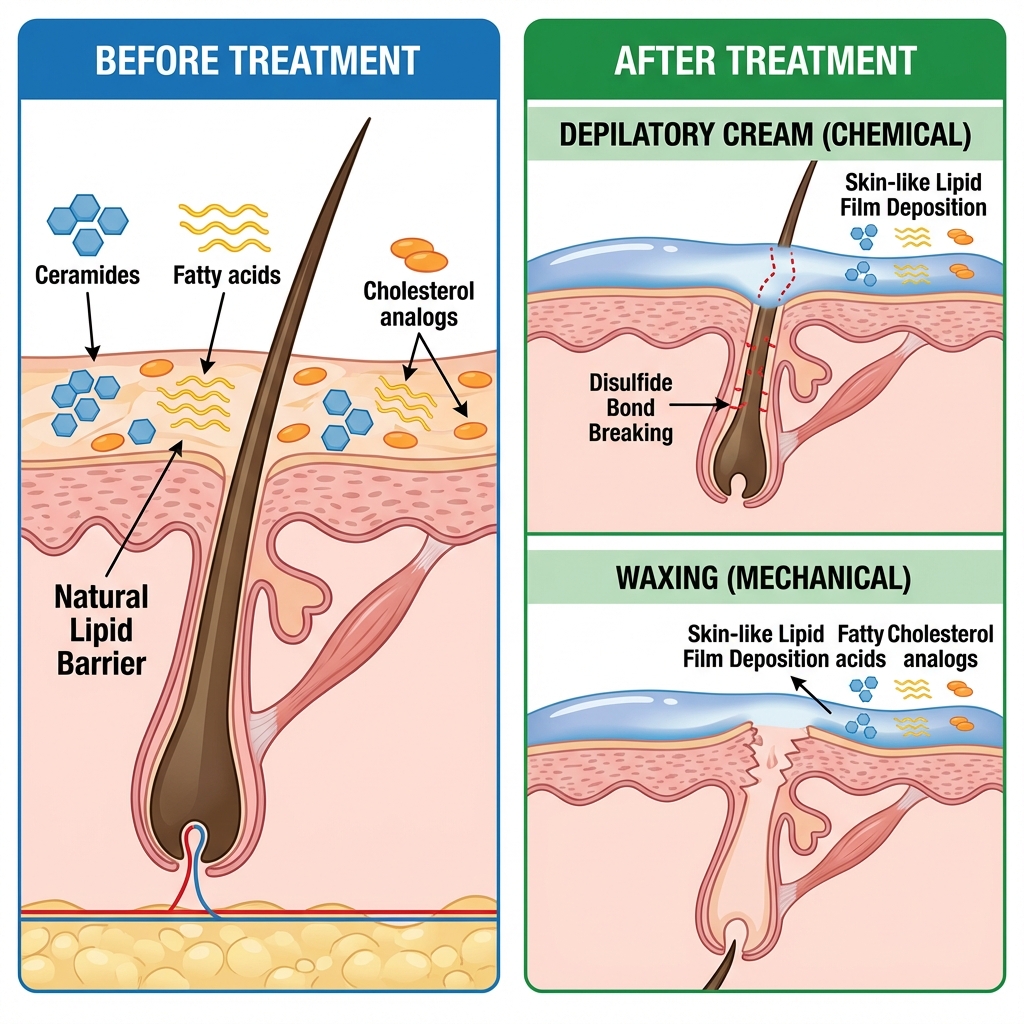
4. Skin‑Like Lipid Film Technology
The Skin‑like Lipid Film is central to PZIK’s Precision Skin Science approach. After waxing, stratum corneum lipids (ceramides, cholesterol, free fatty acids) are partially removed, and micro‑fissures can form on the skin surface. Traditional oily wipes simply deposit mineral oils or esters that remove residues but fail to actively rebuild a functional barrier structure.
PZIK’s lipid film system is engineered with ratios of biomimetic lipids that resemble the natural lamellar organization of the skin barrier. Formulation examples include:
- Synthetic or bio‑derived ceramide analogs to fill intercellular spaces.
- Cholesterol and phytosterols to stabilize lamellar phases.
- C18–C22 fatty acids (e.g., stearic, behenic) to re‑create the ordered lipid tails.
When deposited via a wipe, these lipids form a thin, conformal film that integrates into the disrupted corneocyte envelope. In internal TEWL measurement studies (data placeholder, n = X, PZIK R&D, 20XX), test sites treated with the Skin‑like Lipid Film wipe showed significantly faster return to baseline barrier function versus control oil wipes.
For brands, this translates into a tangible consumer benefit: less tightness, reduced dryness perception, and improved immediate skin feel—all key drivers of Net Promoter Score (NPS) and repeat purchase. Technically, it also offers a platform to incorporate lipophilic active payloads (vitamins, botanical oils, antioxidants) without sacrificing barrier performance.
5. Scent Solution: Symrise Scent‑Masking Integration
Odor is one of the main historical barriers to consumer acceptance in depilatory products. Ammonia and thiol notes from conventional Крем для удаления волос systems and resin or rosin odors from wax can both generate negative sensory feedback. PZIK collaborates with Symrise and other global fragrance partners to integrate scent‑masking technologies into post‑waxing wipes.
Rather than simply overlaying strong fragrances, Symrise technologies can interact at three levels:
- Volatile suppression: Fragrance compounds that reduce the perception of sulfurous notes via receptor competition or olfactory masking.
- Molecular encapsulation: Encapsulation technologies that slow the release of malodor components or bind them transiently.
- Signature sensory design: Fragrance accords tuned for “clean skin” and “dermo‑cosmetic” profiles, which are better aligned with current consumer expectations than heavy perfumery notes.
In post‑wax wipes, the fragrance system must also be reconciled with low irritation scores and compliance constraints (IFRA, regional allergen labeling). The wipe is often applied to freshly treated, more permeable skin; therefore, the fragrance inclusion level and allergen content must be carefully controlled. PZIK pre‑validates these systems, ensuring that scent performance is achieved without compromising tolerability or dossier complexity.
6. Compliance‑Ready Platform: National Special Cosmetic Certificate, FDA/CPNP
Wax strip kits with integrated wipes are increasingly scrutinized as a unified cosmetic system. This means both strip and wipe formulas must be robust under multi‑jurisdictional regulations. PZIK operates as a National Special Cosmetic Certificate holder with dossiers designed for FDA/CPNP readiness, providing a strong regulatory backbone for partners.
Post‑waxing wipes developed under this framework are:
- Aligned with Соответствие требованиям GMPC/FDA requirements in manufacturing, documentation, and safety testing.
- Structured for EU CPNP submission, including toxicological profiles, stability data, and CPSR (Cosmetic Product Safety Report) readiness.
- Adaptable to local labeling and claim restrictions (e.g., “hair growth reduction”, “soothing”, “hypoallergenic”) based on regional evidence thresholds.
This compliance‑ready structure significantly compresses time‑to‑market and reduces regulatory risk for brand owners, particularly when launches are staged across North America, EU, and APAC with harmonized formulas and variant‑specific fragrance or actives.
Market Intelligence: Global Demand and Regulatory Trends
1. From Single‑Step Depilation to Complete Ritual SKUs
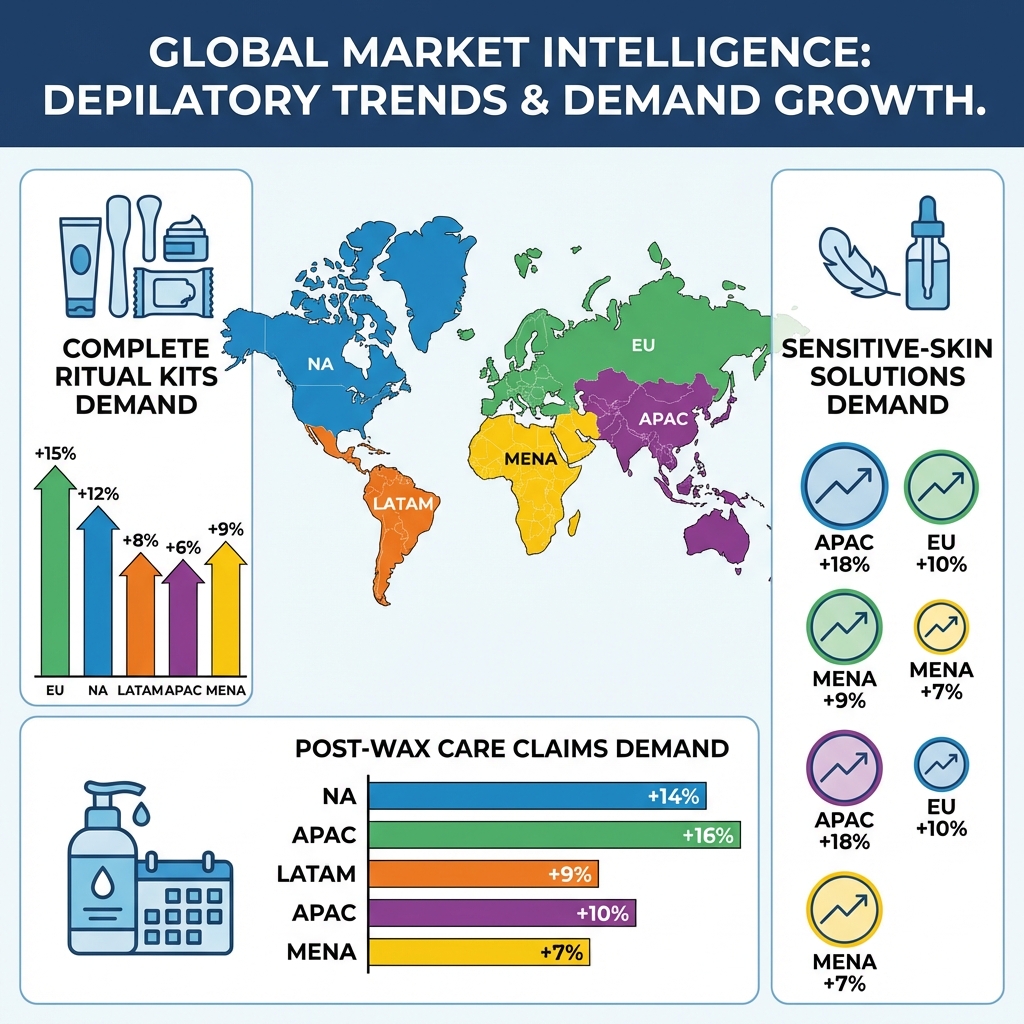
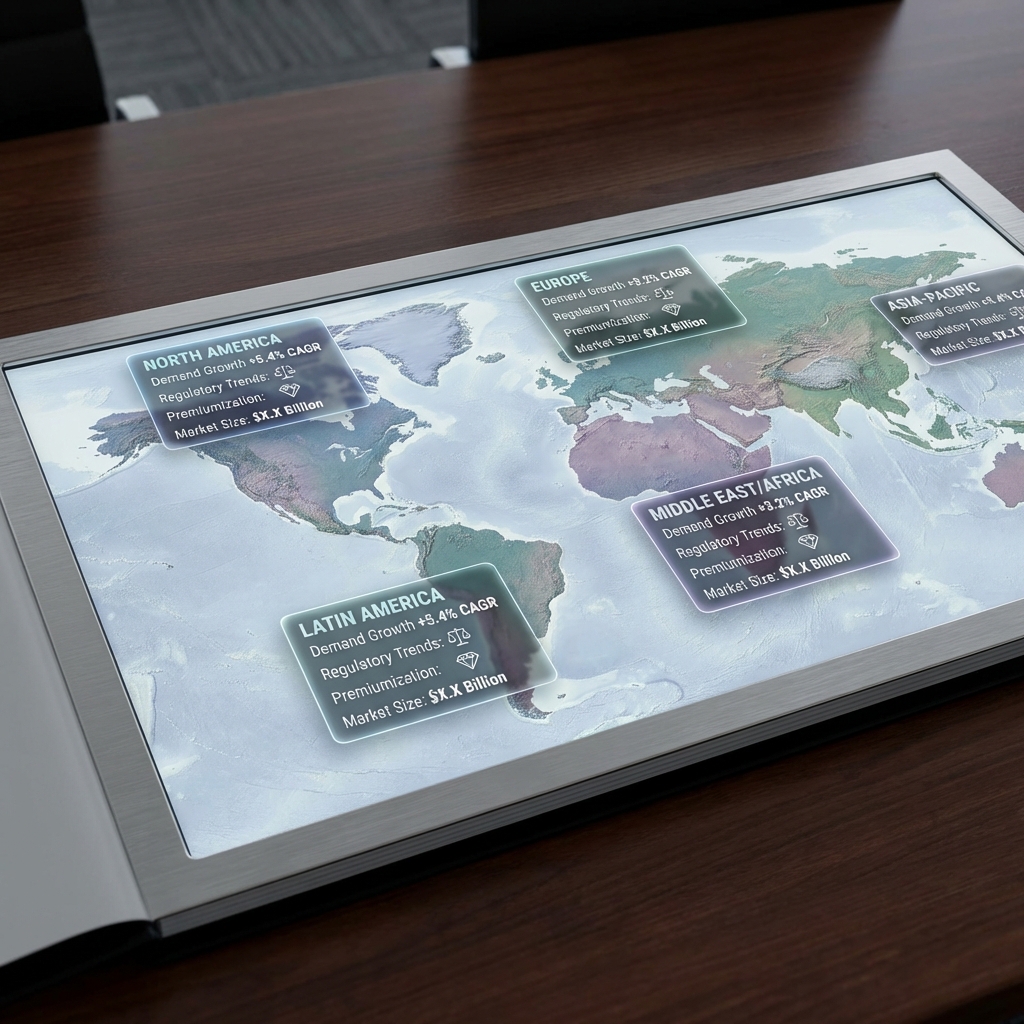
In major depilatory markets—EU, North America, LATAM, MENA, and APAC—consumer expectations have rapidly evolved towards multi‑step, skin health‑oriented routines. Internal and syndicated market studies (data placeholders, 20XX–20XX) show:
- Rising share of voice for keywords related to “post‑wax care”, “after waxing irritation”, “ingrown hair prevention” across e‑commerce search and social media.
- Growing preference for kits that bundle pre‑treatment wipes, wax strips, and post‑treatment wipes, particularly in mid‑premium and dermo‑cosmetic segments.
- Higher star ratings and review sentiment scores for wax strip SKUs that include high‑performance wipes vs. those that supply generic oil‑impregnated tissues.
The competitive landscape now favors brands that architect consumer rituals rather than single products. For category buyers in retail and e‑commerce marketplaces, this manifests as higher shelf and search relevance for systems that advertise “3‑step” or “complete” solutions.
2. Regulatory and Retailer Pressure on Safety and Claims
Regulators and large retailers are tightening expectations around skin safety, transparency, and claims substantiation in depilatory segments. Three converging pressures are especially relevant for post‑waxing wipes:
- Allergen and sensitizer scrutiny: EU allergen labeling, IFRA guidelines, and retailer “no‑list” policies limit certain fragrance allergens and preservatives.
- Claims policing: Statements around “hair growth inhibition”, “sensitive skin”, and “dermatologically tested” now require explicit evidence files and study designs.
- Microbiological and preservative concerns: Wipes are water‑containing systems on fibrous substrates, which heightens microbiological risk and demands robust preservation strategies compliant with local regulations (e.g., restrictions on certain parabens, MIT/CMIT, and formaldehyde donors).
Brands that treat the wipe as an afterthought risk regulatory friction and delistings. In contrast, PZIK’s integrated approach ensures the wipe formula is built with the same rigor as the wax strip itself. Safety assessments, challenge tests, and stability are executed according to international standards, minimizing surprise findings during retailer QA audits.
3. Consumer Sensitivity Segmentation and Skin Typologies
Global data indicates an increasing proportion of consumers self‑identifying as having “sensitive skin”. This trend drives demand for wax systems promising lower irritation, soothing action, and dermatologist endorsement. Post‑waxing wipes are the most efficient delivery vehicle for these promises because they can be deployed immediately following mechanical insult.
PZIK supports brands in designing differentiated SKUs for:
- Ultra‑sensitive: Wipes focused on minimal INCI complexity, fragrance‑free or hypoallergenic fragrance, with enhanced Skin‑like Lipid Film and anti‑redness actives.
- Standard skin: Balanced wipes that combine residue removal, mild fragrance, and moderate soothing and anti‑regrowth benefits.
- Body‑area specific: Bikini and underarm wipes with additional microbiome‑friendly actives or malodor control; face‑specific wipes with ophthalmology‑aligned safety profiles.
This segmentation allows retailers and DTC brands to build micro‑portfolios under a single manufacturing and regulatory umbrella, with post‑wax wipes as a central differentiator.
4. E‑Commerce, Reviews, and Return Drivers
In e‑commerce, product satisfaction around waxing is highly dependent on the “moment after”. Consumers are likely to write reviews immediately following treatment, focusing on pain, mess, redness, and residue. A high‑performance post‑wax wipe mitigates the strongest negatives at the critical review window.
PZIK partners have observed (data placeholders):
- Reduced complaint rates related to stickiness and staining of clothing or bedding.
- Improved average star ratings when wipes deliver visible shine reduction and comfort within minutes.
- Lower return or refund requests associated with perceived “allergic reactions” when soothing actives and barrier lipid films are present.
Because wipes are low‑cost relative to the overall kit, their return on investment at the level of review management and customer lifetime value is disproportionately high.
5. Sustainability and Material Intelligence
Wipes are at the center of sustainability discussions in personal care. Retailers and regulators are scrutinizing plastic content, biodegradability, and waste. PZIK’s material science program is actively deploying:
- Substrates based on cellulose or high‑biobased fibers, with controlled strength and linting properties tailored to wax residue removal.
- Formulas optimized for lower environmental impact, avoiding certain silicones and non‑biodegradable polymers where feasible.
- Packaging formats that reduce overall material use (e.g., consolidated sachets per treatment, recyclable films where local infrastructure allows).
Integrating sustainability into post‑wax wipes is not just reputational; it intersects directly with retailer listing requirements and regional regulations on wipes disposal and labeling.
Manufacturing & Supply Chain: PZIK’s R&D Brain and OEM Efficiency
1. The R&D Brain: Integrated Design for Strip + Wipe Systems
PZIK operates as a global strategic supply chain integrator for beauty and personal care, with a central “R&D Brain” that unifies formulation, substrate engineering, regulatory intelligence, and fragrance design. For wax strips plus post‑wax wipes, the R&D Brain ensures:
- Compatibility between wax resins, oils, and the wipe’s solvent/emollient system, avoiding unwanted wax blooming or incomplete residue removal.
- Stability of active payloads (e.g., Pinus Pinaster, Salix Alba, lipid film components) across expected temperature and humidity profiles.
- Alignment of packaging and fill processes to minimize in‑line defects and preserve wipe integrity and impregnation uniformity.
This integrated design reduces trial‑and‑error iterations at the OEM level and compresses development cycles for brands.
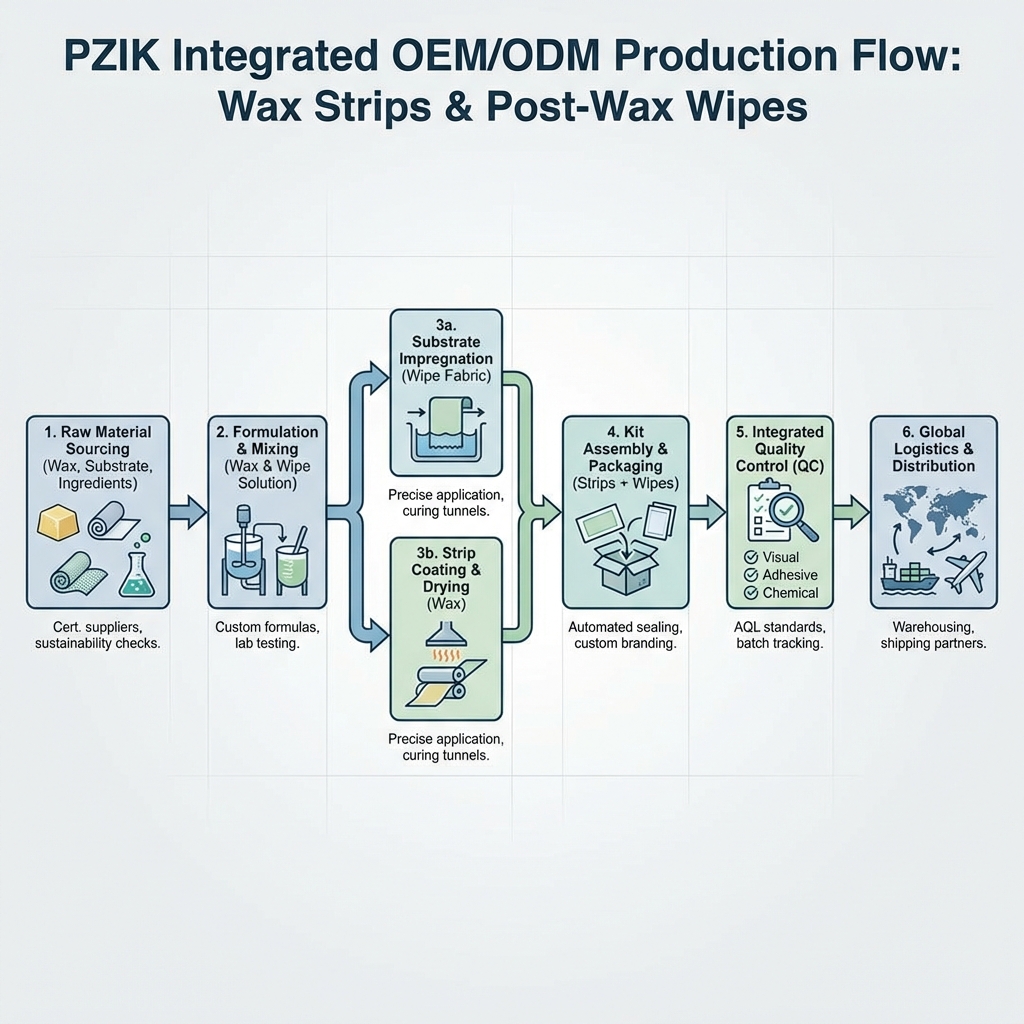
2. OEM/ODM Operational Advantages
Through PZIK’s Услуги OEM/ODM, partners access a modular platform for wax strips and post‑care wipes that can be tailored by market, brand positioning, and budget. Key operational advantages include:
- Shared component synergies: Common excipient and active platforms across wax strips, Крем для удаления волос, and wipes reduce procurement complexity.
- Pre‑validated lines: Filling and converting lines are pre‑qualified for specific wipe substrates and impregnation viscosities, reducing commissioning time and validation runs.
- Scalable batch design: Formulations are designed for both pilot and mass production batch sizes with minimal deviation, shortening scale‑up.
Because PZIK views post‑wax wipes as a core SKU component, not a peripheral accessory, capacity planning and sourcing strategies are structurally integrated into master production schedules.
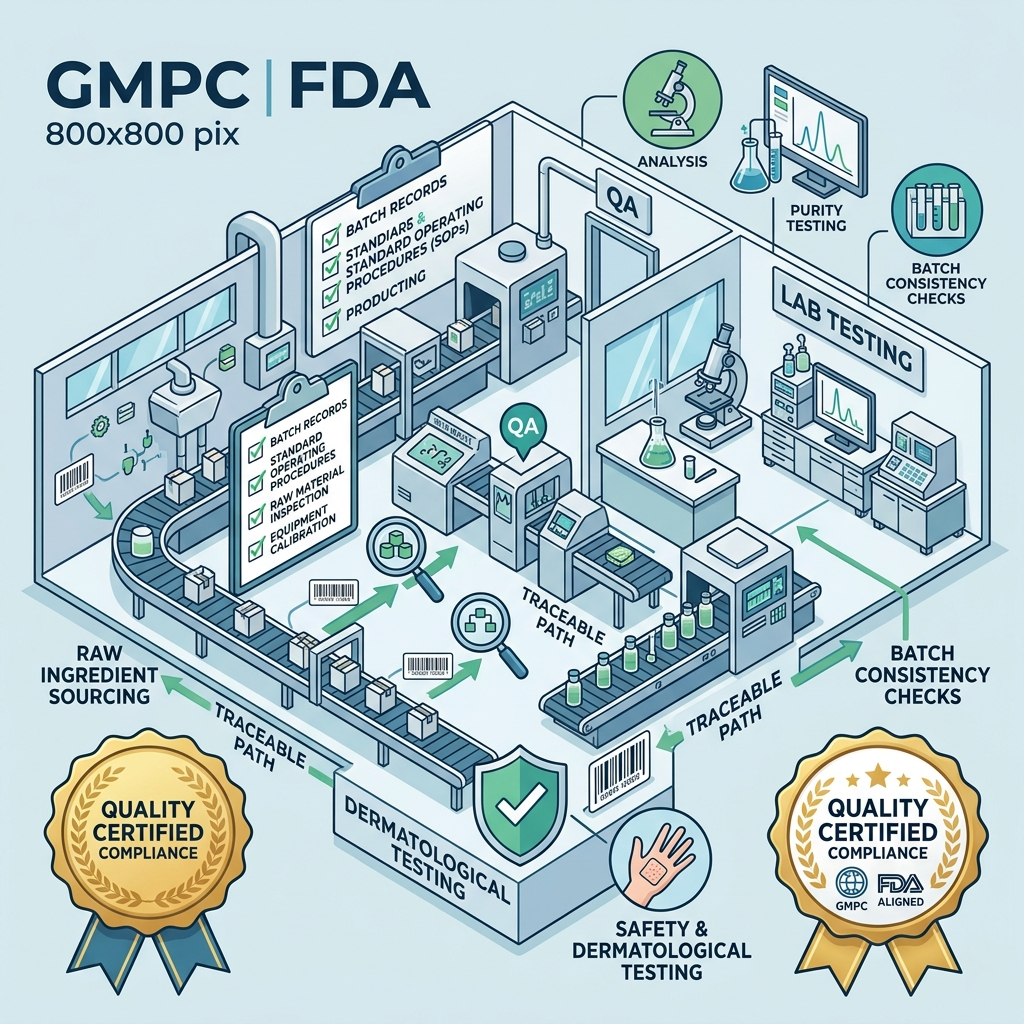
3. Quality Systems and Traceability
Quality and traceability are mission‑critical where wipes are concerned, given their complex supply chains (substrate + solution + packaging). PZIK’s quality systems include:
- Traceable lot coding that connects wipe substrate rolls, impregnation batches, and final kit assembly.
- Routine microbiological monitoring at both bulk solution and finished‑goods stages.
- Analytical controls for key actives and fragrance markers to ensure consistency across global shipments.
These controls support retailer audits and regulatory inspections, especially under GMPC/FDA and EU cosmetic frameworks. For brands operating globally, this level of traceability mitigates recall risk and simplifies pharmacovigilance‑like cosmetic surveillance.
4. Logistics and SKU Architecture
Post‑wax wipes influence kit architecture (number of strips per kit, number of wipes, sachet vs. flowpack format). PZIK works with partners to optimize:
- Ratio of strips to wipes per pack based on region‑specific usage patterns.
- Carton dimensions and weight to maximize shipping efficiency and shelf utilization.
- Multipack and refill strategies that allow consumers to replenish wipes or strips independently if desired.
This SKU architecture optimization balances perceived value with logistic efficiency and retail margin requirements.
Safety & Compliance: From Lab Bench to Market Shelf
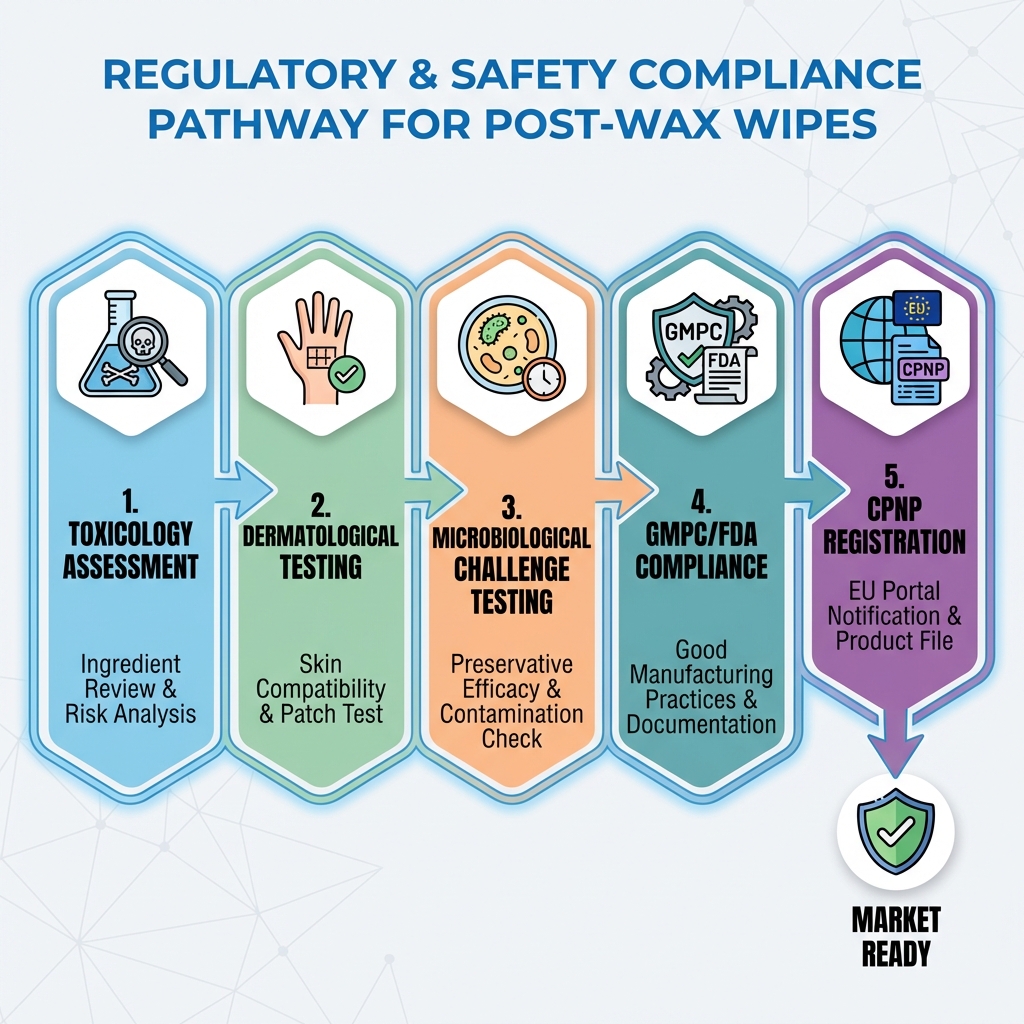
Post‑waxing wipes contact skin immediately after an aggressive mechanical intervention. Safety and compliance, therefore, cannot be retrofitted; they must be embedded in formula design from the earliest R&D stage.
1. Toxicological and Dermatological Safety
PZIK follows a staged safety assessment process for wipe formulas, including:
- Formula‑level toxicological review for systemic exposure margins (MoS), based on estimated per‑use dose and frequency.
- In vitro irritation and sensitization models where available, used as pre‑screens before human testing.
- Dermatological testing on finished wipes under controlled conditions (HRIPT, occlusive patch tests) to support claims such as “dermatologically tested” or “suitable for sensitive skin” where evidence thresholds are met.
When combined in a kit with wax strips, cumulative irritation and sensitization potential are evaluated holistically.
2. Microbiological Stability and Preservation
Wipes present specific microbiological risks owing to high water activity and organic substrates. PZIK’s preservation strategies are built to meet global regulatory expectations while maintaining low irritation profiles:
- Preservative systems designed to achieve robust challenge test performance (ISO 11930 or equivalent), with data available for regulatory dossiers.
- Optimization to avoid or minimize ingredients increasingly restricted by retailers or regulators.
- Manufacturing controls (clean room classification where required, in‑process bioburden monitoring) to prevent contamination events.
Environmental and sustainability considerations are integrated by avoiding over‑preservation and evaluating preservative options with favorable environmental profiles.
3. Labeling, Claims, and Documentation
Because post‑wax wipes often carry central claims for the kit (“soothes”, “removes residues”, “prolongs smoothness”), documentation must be aligned with regulatory frameworks:
- INCI and ingredient lists compliant with each target market (EU, US, LATAM, APAC).
- Evidence files for claims related to irritation reduction, hair regrowth kinetics, and barrier recovery.
- Alignment with retailer requirements for transparency (e.g., clean lists, allergen disclosures, sustainability scores).
PZIK’s dossier services streamline CPNP notifications, US product information files, and local registrations, reducing administrative load for brand partners.
4. Global Readiness: National Special Cosmetic Certificate, FDA/CPNP
Operating as a National Special Cosmetic Certificate holder with FDA/CPNP‑ready systems, PZIK designs wipe formulas to be globally deployable with minimal modifications. Where local adaptation is needed (e.g., fragrance allergens, preservative lists, cultural scent preferences), the core technical architecture remains intact, preserving data continuity and supply chain efficiency.
Заключение и стратегическая дорожная карта
1. Strategic Imperative: Post‑Wax Wipes as Non‑Optional
Within the modern depilatory category, omitting high‑performance post‑wax wipes from a wax strip SKU is increasingly a strategic liability. Brands that fail to upgrade from basic oily tissues to scientifically engineered wipes risk lower satisfaction scores, higher complaint rates, and weaker positioning in both retail and DTC channels.
PZIK’s Precision Skin Science approach reframes post‑wax wipes as a high‑leverage innovation surface: a place where brands can deploy barrier science, soothing actives, anti‑regrowth technologies, and advanced fragrance systems for a relatively small incremental cost.
2. Phased Roadmap for Brands
PZIK typically recommends a staged, evidence‑driven roadmap for integrating the Complete Ritual design:
- Diagnostic Phase: Audit current wax strip and wipe offerings, complaint databases, and review analytics to identify dominant pain points (stickiness, redness, odor).
- Concept & Platform Selection: Choose from PZIK’s validated wipe platforms (sensitive, standard, area‑specific) with configurable features (Skin‑like Lipid Film, growth inhibitors, fragrance profiles).
- Pilot & Testing: Execute controlled consumer and clinical tests to validate improvement in key performance indicators—residue removal, skin comfort, visual redness scores, perceived regrowth speed.
- Scale‑up & Globalization: Leverage PZIK’s OEM/ODM and regulatory platforms to roll out across target regions with minimal formula changes.
- Continuous Optimization: Feed post‑launch data (reviews, returns, retailer feedback) back into the R&D Brain to iterate fragrance, active levels, or substrate types.
3. Integration with Adjacent Depilatory Categories
Post‑wax wipes should not be viewed in isolation. They are a key node in a broader depilatory ecosystem that includes wax strips, Крем для удаления волос and emerging modalities. PZIK designs cross‑category synergies so that:
- Consumers experience consistent scent signatures and skin feel across methods.
- Brands can streamline messaging around barrier care and hair regrowth control.
- Supply chains benefit from shared raw materials and compatible quality systems.
4. Partnering with PZIK
As a global strategic supply chain integrator, PZIK provides end‑to‑end support—from initial technical scoping to full industrialization and regulatory deployment. Our R&D, regulatory, and operations teams work together to architect post‑wax wipe solutions that fit each partner’s brand DNA, target markets, and economic constraints.
To explore how PZIK can help transform your wax strip portfolio into a Complete Ritual system with next‑generation post‑wax wipes, you can Связаться с PZIK for a technical consultation, feasibility assessment, or tailored pilot program.
In a category where incremental innovation often fails to move the needle, re‑designing the post‑waxing moment with scientifically optimized wipes offers a rare combination of consumer‑visible impact, regulatory robustness, and supply chain efficiency. Brands that act now will define the next standard in depilatory experience—and secure durable competitive advantage as the market moves decisively toward complete ritual design.




Добавить комментарий