











You may notice new ingredients in skincare, but Polydeoxyribonucleotide (PDRN) in skincare stands out for its ability to help your skin heal and renew. Scientists first used PDRN in regenerative medicine. Since then, it has shown impressive results in skin repair and wound healing, as clinical studies confirm.
Study | Findings |
|---|---|
Belletti et al. (2007) | PDRN protects cells from UV-induced DNA damage and enhances DNA repair. |
Kim et al. (2016a) | Confirmed healing efficacy in patients with pressure ulcers. |
This ingredient attracts attention as the market grows rapidly: |
The global market reached 712 million USD in 2024
Experts expect it to reach 1,250 million USD by 2035
ประเด็นสำคัญ
PDRN helps your skin heal and renew by boosting collagen and reducing inflammation.
You can find PDRN in various forms like serums and creams, often labeled as ‘Sodium DNA.’
Both animal and plant-based PDRN can improve skin health, but plant-based options are more sustainable.
Regular use of PDRN can lead to smoother, firmer skin and help with issues like fine lines and uneven tone.
For best results, combine PDRN with other skin-repairing ingredients and consult a dermatologist before starting new treatments.
Polydeoxyribonucleotide (PDRN) in Skincare: Origins and Forms
What Is PDRN
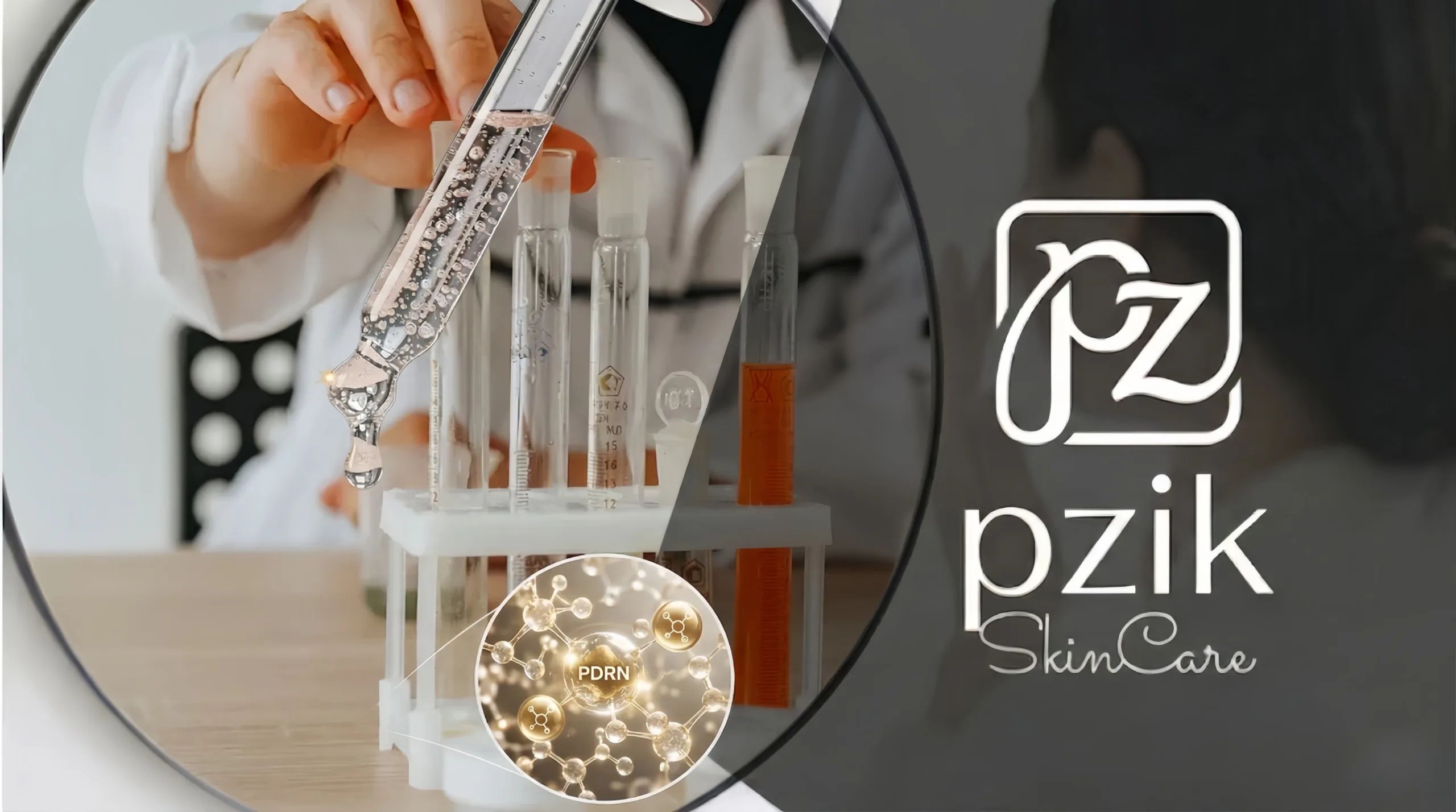
You may wonder what Polydeoxyribonucleotide (PDRN) in skincare really means. PDRN is a chain of DNA fragments. These fragments help your skin repair itself and grow new, healthy cells. Scientists extract PDRN from natural sources, and it has a unique structure that supports healing.
Source | คำอธิบาย | |
|---|---|---|
Oncorhynchus mykiss (salmon trout) | 50 – 1,500 | DNA extracted from sperm cells |
Oncorhynchus keta (chum salmon) | 50 – 1,500 | DNA extracted from sperm cells |
Medical and Cosmetic Origins
Doctors first used PDRN to help wounds heal faster. You now see Polydeoxyribonucleotide (PDRN) in skincare because it can boost collagen and help blood vessels grow. These actions make your skin look healthier and younger. PDRN also calms inflammation, which helps with redness and irritation. Over time, experts noticed these benefits could help not just patients but anyone who wants better skin. That is why you now find PDRN in both medical treatments and beauty products.
Animal vs. Plant-Based Sources
Most PDRN comes from salmon DNA, especially from salmon semen. Today, companies also use plant-based and bioengineered PDRN to make products more sustainable. You might see plant sources like ginseng, cica, rice, or green tea. Both animal and plant-based PDRN can help your skin make more collagen and heal faster. Scientists still study if plant-based PDRN works as well as the animal kind, but both types show promise for skin repair.
Tip: If you prefer vegan skincare, look for products that use plant-based or bioengineered PDRN.
Forms and Ingredient Names
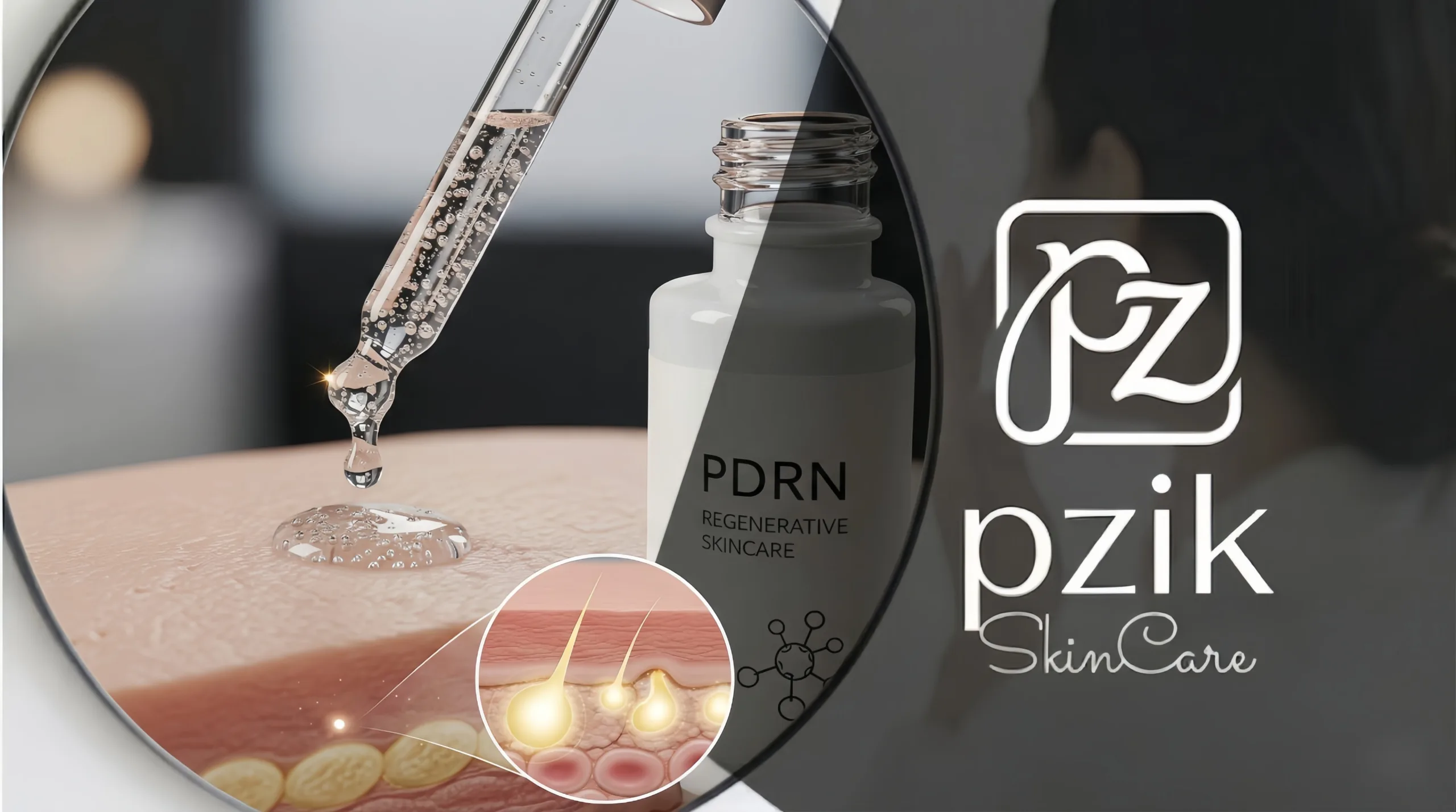
When you check product labels, you may see PDRN listed as “Sodium DNA.” This is the official name used in skincare. You can find PDRN in serums, creams, and even injectable treatments. Each form aims to deliver the same skin-repairing benefits.
Ingredient Name | คำอธิบาย |
|---|---|
Sodium DNA | Official INCI name for Polydeoxyribonucleotide (PDRN), known for regeneration |
How PDRN Works in Skin Repair

Cellular Repair Mechanisms
When you use Polydeoxyribonucleotide (PDRN) in skincare, you help your skin repair itself at the cellular level. PDRN gives your skin the building blocks it needs to make new DNA. This process helps your skin cells grow and heal faster. You also get protection from damage caused by the sun and pollution. PDRN supports the DNA salvage pathway, which means your skin can fix itself more quickly after injury.
Here is how PDRN activates repair in your skin:
Mechanism | คำอธิบาย |
|---|---|
Fibroblast Proliferation | PDRN stimulates the growth of fibroblasts, which are key for skin repair and regeneration. |
Collagen Synthesis | It boosts collagen production, making your skin stronger and more elastic. |
Modulation of Inflammatory Responses | PDRN activates special receptors that help control inflammation in your skin. |
VEGF Production | It increases the amount of a protein called VEGF, which helps form new blood vessels. |
Reduction of Oxidative Damage | PDRN lowers stress in your skin cells and helps them stay healthy after sun exposure. |
You also benefit from PDRN’s ability to protect keratinocytes, the main cells in your skin’s outer layer. This protection helps your skin recover from UV damage and keeps it looking healthy.
Collagen and Growth Factor Activation
PDRN does more than just repair. It helps your skin look younger by boosting collagen and growth factors. When you apply Polydeoxyribonucleotide (PDRN) in skincare, you encourage your skin to make more collagen. Collagen keeps your skin firm and smooth.
PDRN activates growth factors that tell your skin to make more collagen.
It works through a pathway called the A2 receptor, which increases a signal called cAMP.
This signal turns on proteins that help your skin heal and grow.
Your skin then makes more VEGF and angiopoietin, which help new blood vessels form and improve healing.
PDRN also increases the levels of important proteins in your skin. These include fibronectin, filaggrin, and Ki-67 in skin cells, and BCL2, INHBA, and cyclin D1 in fibroblasts. These proteins help your skin stay strong, heal faster, and look more youthful.
Anti-Inflammatory and Pigmentation Effects
If you have redness or irritation, PDRN can help calm your skin. It controls signals in your body that cause inflammation, such as TNF-a, NO, and IL-6. Studies show that PDRN reduces swelling and redness in many skin conditions. You may notice less irritation and a more even skin tone.
PDRN also helps with pigmentation. It can lower the amount of melanin your skin makes. Melanin gives your skin its color, but too much can cause dark spots. PDRN reduces the activity of tyrosinase, an enzyme that helps make melanin. Clinical studies show that people who use PDRN see improvements in dark spots and overall skin brightness.
Evidence Type | คำอธิบาย |
|---|---|
Inhibition of Melanin | PDRN lowers melanin production in a dose-dependent way. |
Tyrosinase Activity | PDRN reduces the activity of tyrosinase, which helps prevent dark spots. |
Clinical Results | People using PDRN saw better results for hyperpigmentation and a more even skin tone. |
Note: If you struggle with redness or uneven skin tone, PDRN may help you achieve a calmer, brighter complexion.
Hair and Additional Benefits
You can also use PDRN to support hair and scalp health. PDRN helps your hair follicles grow and become stronger. It improves blood flow to your scalp, which brings more nutrients to your hair roots. This process can lead to thicker, healthier hair and less hair loss.
It increases microcirculation in the scalp.
You get better nutrient delivery to hair follicles.
PDRN reduces inflammation, which helps keep your scalp healthy.
It revitalizes dormant hair follicles, leading to improved hair growth and density.
PDRN offers other skin benefits as well. You may notice firmer skin, fewer fine lines, and better hydration. PDRN helps your skin hold onto moisture by boosting hyaluronic acid production. It also supports the formation of new blood vessels, which keeps your skin looking fresh and vibrant.
Tip: If you want to improve both your skin and hair health, look for products that include PDRN as a key ingredient.
Clinical Efficacy and Safety
Research and Real-World Results
You may wonder how well PDRN works in real life. Dermatologists and researchers have studied its effects on many people. They found that PDRN helps skin heal faster, look smoother, and feel more hydrated. You can see the results in the table below:
Study/Case Description | Results | Improvements Observed |
|---|---|---|
2016 Study on Tissue Healing | Accelerated healing, enhanced fibroblast activity | Faster repair of microdamage, reduction of fine lines, improved skin texture |
2020 Study in Journal of Cosmetic Dermatology | Significant improvements in skin elasticity and hydration | Cumulative improvements with more sessions |
Randomized Clinical Trial (60 patients) | Increased skin hydration by 28%, improved elasticity by 22% | Enhanced skin quality after four sessions |
Patient Case (42-year-old) | Remarkable improvement in fine lines and skin texture | Softer fine lines, smoother texture, increased radiance |
Patient Case (acne scars) | Noticeable skin plumping and scar softening | Improved appearance after three sessions |
You can see that people notice softer lines, smoother skin, and better hydration. Some people with acne scars also report plumper and healthier-looking skin. These results show that PDRN can help many skin concerns.
Topical vs. Injectable Efficacy
You might ask if creams and serums work as well as injections. Topical PDRN faces a challenge. Its large size and negative charge make it hard to pass through your skin. This means your body absorbs only a small amount when you use it on the surface. Injections do not have this problem. When you get PDRN injected, your skin absorbs it much better. You see stronger and faster results with injections. Topical products still help, especially with hydration and mild recovery, but the effects are less dramatic than with injectables.
Note: If you want deep changes in your skin, injections may give you better results. For gentle support and hydration, topical products can still be helpful.
Safety and Suitability
You may feel concerned about safety. Most people tolerate PDRN very well. Side effects are usually mild and go away quickly. You might see some redness, swelling, or bruising where you get an injection. Allergic reactions are rare, especially when doctors use sterile methods. The table below shows common side effects:
Side Effect | คำอธิบาย |
|---|---|
Mild redness or swelling | At the injection site, usually temporary. |
Temporary bruising or tenderness | Commonly associated with the injection process. |
Rare allergic reaction | Possible but occurs under sterile conditions. |
You may also see these possible effects:
Redness, swelling, or bruising
Allergic reactions (rare)
Infection risk if not done in a clean setting
Topical use has a low risk. Some people may get irritation or a mild allergic response. Doctors have not seen serious problems in large studies. Still, experts do not know all the long-term effects, especially for different skin types.
PDRN suits many skin needs. You can use it if you want to reduce fine lines, soften acne scars, or brighten uneven skin tone. It also helps with dry skin, redness, and dullness. The table below shows which skin concerns respond well:
Skin Conditions/Types | คำอธิบาย |
|---|---|
Fine lines and wrinkles | Effective in reducing visible signs of aging. |
Acne scars and hyperpigmentation | Helps in improving skin tone and texture. |
Skin laxity and dullness | Enhances skin firmness and radiance. |
Redness and inflammation | Soothes and calms irritated skin. |
Overall skin rejuvenation and longevity | Promotes youthful appearance and vitality. |
Tip: If you have aging skin, acne scars, or want a brighter look, PDRN may be a good choice. Always talk to a skin expert before starting new treatments.
Practical Use, Formulation, and Ethics

Who Benefits from PDRN
You may wonder who gets the most from PDRN. People with aging skin, sun damage, or changes from menopause see strong results. You can check the table below to see which groups benefit most:
Demographic Group | Primary Skin Concerns | Key Benefits of PDRN |
|---|---|---|
Women in their 20s to 60s | Wrinkles, loss of elasticity, menopausal changes, sun damage | Less wrinkles, better elasticity, support for menopausal skin, improved tone and texture |
How to Use in Skincare Routines
You can add PDRN to your routine with a few simple steps:
Always test a small area of skin before using a new product.
Apply PDRN products in the evening to match your skin’s natural repair cycle.
Start with gentle products to see how your skin reacts.
Use PDRN serums after cleansing and toning, before heavier creams.
Combine PDRN with peptides, hyaluronic acid, or antioxidants for better results.
Tip: You can boost your results by using PDRN with other skin-repairing ingredients.
Formulation Challenges
You may notice that not all PDRN products work the same. PDRN has a large size and breaks down easily. This makes it hard for your skin to absorb. Companies use special technology, like liposomes, to help PDRN get into your skin and stay stable. These methods protect PDRN and improve its effects.
Large molecular weight limits skin penetration.
PDRN can break down quickly, so stability is important.
Liposome technology helps PDRN reach deeper layers and stay active.
Ethical and Sustainable Sourcing
You might care about where your skincare comes from. Animal-derived PDRN cannot get cruelty-free labels. Many people avoid these products for cultural or religious reasons. Overfishing and salmon farming also harm the environment. These practices add to greenhouse gas emissions and disrupt marine life.
The vegan cosmetics market is growing fast, showing strong demand for plant-based options.
Animal-derived PDRN does not meet cruelty-free standards.
Overfishing and farming increase carbon emissions and hurt biodiversity.
You can choose plant-based or microbe-derived PDRN for a greener option. Brands use ginseng, soybean, and microalgae to make vegan PDRN. Amorepacific developed BluePDRN™ from microalgae, which supports sustainability and high skin-repair benefits.
Note: You help the planet when you pick products with plant-based or microbe-derived PDRN.
Future of PDRN in Dermatology
Market and Consumer Trends
You will see big changes in the skincare market over the next few years. The global market for PDRN skincare is expected to grow from about $1,232 million in 2024 to $2,178 million by 2031. This means the market will grow at a rate of 8.5% each year. The average price for a PDRN skincare product is around $120, and experts predict more than 10 million units will sell in 2024.
The industry is expanding quickly in South Korea, Japan, and China.
More people want anti-aging solutions and products that use new biotechnology.
The market for PDRN repair ampoules will rise from $0.42 billion in 2024 to $0.48 billion in 2025, with a growth rate of 12.9%.
You may notice more products for post-surgical recovery and scar reduction.
You and other consumers now prefer non-invasive treatments and personalized skincare. Companies invest more in biotechnology to meet these needs.
Consumer Preference | คำอธิบาย |
|---|---|
Proven Efficacy | |
Skin Regeneration | You look for products that help your skin repair and make collagen. |
Effectiveness | |
Convenience | You choose easy-to-use topical products. |
Awareness | You learn about PDRN’s benefits and want to try it. |
Non-invasive | You prefer gentle solutions over surgery. |
Natural-based | You like products with natural ingredients. |
Modern shoppers, especially Gen Z and Millennials, want ingredients with clinical proof. You see a shift toward evidence-based beauty instead of hype.
Innovations and Potential
You will find new ways to use PDRN in skincare. Scientists now use intradermal injections and microneedling to deliver PDRN deeper into your skin. These methods use fine needles and sometimes topical anesthesia. You can also get PDRN after laser treatments to help your skin heal faster.
นวัตกรรม | คำอธิบาย |
|---|---|
DNA fragment Optimizing Technology (DOT™) | This technology improves the purity and quality of PDRN. |
Proprietary platforms | Companies use special systems to extract and purify polynucleotides for better results. |
Biodegradable fiber PN helps PDRN absorb better and release ingredients slowly.
These fibers can lower allergic reactions and improve safety.
You will see more products that use advanced delivery systems. These innovations make PDRN safer, more effective, and easier for you to use at home.
Scientists continue to explore new sources and methods. You may soon see even more sustainable and personalized options in the market.
You see Polydeoxyribonucleotide (PDRN) changing skincare with its strong safety record and proven ability to repair skin. You benefit from better hydration, calmness, and surface healing.
Future treatments may use bioengineered DNA for personalized care.
These advances could help with aging, pigmentation, and chronic skin problems.
PDRN’s large size limits deep skin penetration, so results take time.
You get a non-invasive, affordable option for healthier skin.
Choose products that use science and ethical sourcing for the best results.
คำถามที่พบบ่อย
What skin concerns does PDRN help with?
You can use PDRN for fine lines, dryness, redness, and uneven skin tone. It also helps with acne scars and dullness. Many people see smoother, brighter, and firmer skin after regular use.
Is PDRN safe for sensitive skin?
Most people with sensitive skin can use PDRN. You should always patch test first. If you notice redness or irritation, stop using the product and talk to a dermatologist.
How long does it take to see results from PDRN?
You may notice better hydration and smoother skin in two to four weeks. For deeper changes, like fewer wrinkles or scars, you might need several months of regular use.
Can you use PDRN with other skincare ingredients?
Yes, you can combine PDRN with hyaluronic acid, peptides, or antioxidants. This mix can boost your results. Avoid using it with harsh exfoliants or strong acids to prevent irritation.
Is plant-based PDRN as effective as animal-derived PDRN?
Studies show that plant-based PDRN can work as well as animal-derived types. You get similar skin-repair benefits. Plant-based options also support ethical and sustainable skincare choices.





เพิ่มความคิดเห็น