








Odor-Neutralizing Hair Removal Cream: How PZIK’s Fragrance Masking Technology Increases Brand Premium
สรุปผู้บริหาร
The global depilatory market is shifting from basic functionality toward high-precision, sensorially refined solutions that align with dermatologist expectations, regulatory tightening, and premium consumer experience. Traditional thioglycolate-based ครีมกำจัดขน systems have long been constrained by three critical limitations: harsh odor, irritation risk, and inconsistent hair regrowth profiles. These constraints suppress perceived value, restrict price elasticity, and limit the ability of brands to extend into premium and dermocosmetic channels.
PZIK, as a global strategic supply chain integrator in beauty and personal care, has developed an odor-neutralizing hair removal platform that combines precision chemistry with advanced sensorial engineering. At its core is the Smart Control Clean System, an integrated three-phase framework: Clean (efficient, targeted keratin disruption), Protect (skin barrier-mimetic defense), and Slow Down (regrowth modulation via botanical growth inhibitors). This platform is built on high-purity calcium thioglycolate for precision disulfide bond cleavage, skin-like lipid film technology to preserve the stratum corneum, and a proprietary blend of Pinus pinaster and Salix alba extracts to support longer-lasting smoothness.
Most critically, PZIK has integrated advanced fragrance masking technology, developed in collaboration with Symrise, to neutralize the characteristic sulfur-ammonia odor of conventional depilatories. Instead of simply overlaying perfume on top of malodor, PZIK’s odor management system works at multiple levels: reducing precursor volatility, chemically interacting with malodor compounds, and architecting fragrance accords that structurally minimize clash with residual base notes. The result is an olfactory profile that is measurably cleaner and more cosmetically elegant, enabling hair removal formats that can credibly sit alongside prestige skincare and professional dermocosmetic lines.
This technical platform is underpinned by full compliance readiness. PZIK cooperates with National Special Cosmetic Certificate holders in China and designs formulations and documentation paths that are FDA- and CPNP-ready, aligned with global GMPC, ISO 22716, and related cosmetic quality frameworks. As an OEM/ODM partner, PZIK integrates R&D, regulatory, and supply-chain orchestration into a single “R&D Brain” model, enabling faster time to market, robust dossier support, and global scalability.
For brand and product owners, odor-neutralizing hair removal is not simply a sensorial upgrade; it is a strategic lever. By removing the key experiential barrier associated with thioglycolate systems, brands can elevate perceived safety, trust, and modernity, unlocking premium pricing, channel expansion, and portfolio synergies with adjacent categories such as แผ่นแว็กซ์, post-depilatory skincare, and body-focused dermocosmetics. This white paper outlines the underlying chemistry, regulatory context, market dynamics, and operational model that allow PZIK to deliver differentiated hair removal platforms designed for the next decade of “Precision Skin Science” in beauty and personal care.

Technical Deep-Dive: Precision Chemistry for Odor-Neutralizing Hair Removal Cream
1. Smart Control Clean System: Clean – Protect – Slow Down
PZIK’s Smart Control Clean System is an integrated design philosophy that structures every component of the ครีมกำจัดขน architecture around three interlocking performance pillars.
1.1 Clean: Targeted Keratin Disruption
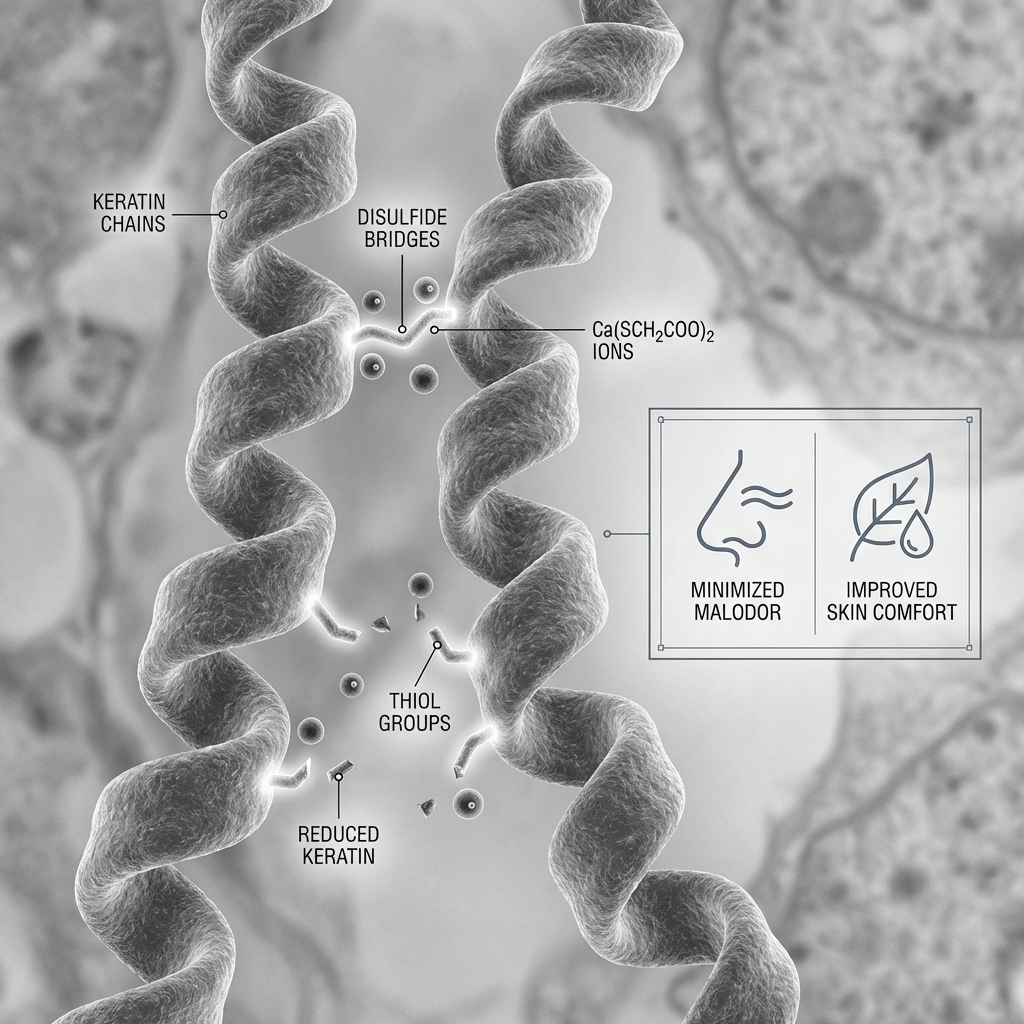
Traditional depilatories rely on thioglycolate salts in alkaline environments (typically pH 11.5–12.5) to reduce the disulfide bonds (–S–S–) in hair keratin. While effective, uncontrolled disulfide reduction can lead to over-processing, unpleasant odor, and increased skin sensitivity. PZIK employs high-purity calcium thioglycolate with a controlled particle size distribution and strictly specified impurity profile. This reduces the presence of sulfur-containing byproducts that contribute to malodor and irritation.
Mechanistically, hydroxide ions in the alkaline base increase hair shaft swelling, allowing thioglycolate ions to diffuse into the cortex. There, thioglycolate acts as a nucleophile, reducing disulfide bridges to form thiol end groups and a corresponding oxidized dimer. The hair fiber loses structural integrity and can be gently removed at the skin surface. By optimizing the stoichiometry of active thioglycolate, buffer systems, and penetration modulators, PZIK targets a narrower processing window with more homogeneous disulfide cleavage along the hair shaft. This precision reduces the need for excessive contact times and thereby limits exposure of the skin to high pH.
1.2 Protect: Skin-Like Lipid Film Technology
The “Protect” phase of the Smart Control Clean System addresses the primary concern of dermatologists and regulators: skin barrier integrity. High-alkaline systems can extract intercellular lipids and disrupt the lamellar structure of the stratum corneum, increasing transepidermal water loss (TEWL) and susceptibility to irritation.
PZIK’s Skin-like Lipid Film technology uses a biomimetic blend of fatty acids, cholesterol analogues, and plant-derived sphingolipids arranged to approximate the natural lipid ratio of healthy human skin. Incorporated into an emulsion network, this lipid complex forms an occlusive yet breathable microfilm on the skin surface during application. It serves multiple functions:
- Physical buffering: Creates a semi-permeable interface between the alkaline phase and the viable epidermis.
- Lipid replenishment: Counteracts lipid extraction during the depilation window.
- Microstructural repair: Supports faster reconstruction of lamellar structures post-rinse, contributing to a smoother, non-stripped after-feel.
This approach reduces perceived “burning” or tightness and aligns hair removal experiences with modern moisturization and barrier-care standards expected of facial skincare.
1.3 Slow Down: Growth Modulation via Botanical Actives
The “Slow Down” phase targets an increasingly important consumer expectation: extended smoothness without harsher chemical intensification. PZIK formulates with standardized extracts of Pinus pinaster (maritime pine) and Salix alba (white willow) as complementary growth-modulating and skin-conditioning components.
- Pinus pinaster extract: Rich in polyphenolic procyanidins, this extract exhibits antioxidant and microcirculation-modulating properties. In depilatory contexts, it supports reduced oxidative stress in the follicular environment and may contribute to a less inflammatory regrowth cycle, translating into smoother skin perception over time.
- Salix alba extract: A natural source of salicylates, it offers mild keratolytic and soothing benefits. By promoting gentle desquamation and reducing micro-inflammation around follicles, it can support a cleaner regrowth pattern with reduced sensation of “stubble roughness”.
While hair cycle modulation claims must be carefully calibrated to regulatory frameworks in each market, these botanical actives provide a science-based foundation for “longer-lasting smoothness” narratives when supported by appropriate in vivo testing.
2. High-Purity Calcium Thioglycolate: Engineered for Precision and Odor Control
The performance and sensorial profile of any chemical depilatory is dominated by the quality, purity, and stability of its thioglycolate salt. PZIK’s R&D and sourcing architecture focuses on high-purity calcium thioglycolate that meets strict analytical thresholds for residual thioglycolic acid, metal catalysts, and malodor-relevant sulfur impurities.
Key technical parameters include:
- Purity > [X]%: Ensures consistent reactivity and minimizes off-cycle degradation pathways that generate volatile sulfur compounds.
- Controlled hydration state: Prevents unpredictable changes in pH and viscosity during storage.
- Low heavy metal content: Reduces catalysis of unwanted oxidation reactions that can affect odor, color, and stability.
PZIK also applies kinetic modeling to balance depilation efficacy with base line-strength. By optimizing the ratio of thioglycolate to alkalizing agents (e.g., calcium hydroxide, potassium hydroxide) and tailoring buffer capacity, the system maintains a functional pH over the intended contact time while reducing unnecessary excess alkalinity.
3. Scent Solution: Symrise-Enabled Fragrance Masking to Eliminate Ammonia Odor
The characteristic “perm” or “sulfur-ammonia” odor of standard depilatories is one of the most powerful negative drivers of user satisfaction and repeat purchase. Conventional approaches attempt to overcome this by adding strong perfumes, but this often results in olfactory conflict: the fragrance does not neutralize the malodor, it merely competes with it.
PZIK’s platform, developed in alignment with Symrise odor management technologies, employs a three-layered strategy:
- Precursor management: Optimization of thioglycolate purity, pH, and stabilizer systems reduces the formation of key volatile sulfur compounds (e.g., hydrogen sulfide, low-molecular mercaptans) and free ammonia during processing.
- Chemical interaction: Inclusion of malodor-counteractant molecules designed to selectively interact with specific odorants, reducing their volatility or modifying their odor character. These can include zinc salts, cyclodextrins, or specialized fragrance raw materials with documented counteractant behavior.
- Fragrance architecture: Symrise-based accords are designed with head, heart, and base notes that minimize overlap with the spectral profile of sulfurous malodors. The result is a “clean skin” or “soft cosmetic” signature that remains stable across the application time window.
From a quantitative standpoint, internal sensory panels and GC–MS-backed olfactometry can demonstrate reductions in perceived malodor intensity by >[X]% at [Y] minutes vs. benchmark formulas. For brand owners, this provides a credible technical foundation to support claims such as “odor-neutralizing”, “low-odor technology”, or “no harsh depilatory smell”, subject to local claim-substantiation standards.
4. Compliance Architecture: National Special Cosmetic and FDA/CPNP-Ready Design
Depilatory products intersect with sensitive categories in multiple jurisdictions. In China, specific hair removal products can fall under nationally regulated categories requiring a National Special Cosmetic Certificate, with enhanced safety and efficacy review. In the EU, they must comply with Regulation (EC) No 1223/2009 under CPNP notification, and in the US, they fall under cosmetic control with heightened scrutiny from toxicologists and dermatologists.
PZIK’s development framework is designed to be “compliance-forward” rather than retrofitted. This includes:
- Formulation selection based on globally accepted ingredient lists and concentration ranges.
- Design-ready documentation aligned to การปฏิบัติตามข้อกำหนด GMPC/FDA expectations, including safety assessments, stability studies, and micro-challenge tests.
- Pre-structured Product Information Files (PIF) and safety dossiers that can be localized for CPNP, ASEAN, LATAM, and Middle Eastern regulatory submissions.
By integrating compliance parameters into early-stage formulation, PZIK reduces rework, de-risking projects for international brands and regional leaders seeking to scale odor-neutralizing hair removal portfolios across multiple markets.

Market Intelligence: Premiumization and Regulatory Trends in Hair Removal
1. Global Demand Shifts in Hair Removal Cream
The global hair removal market is projected to reach approximately [US$X billion] by [20XX], growing at a CAGR of [Y–Z]%. Within this, chemical depilatories and ครีมกำจัดขน formats represent a significant volume share due to their low barrier to entry and ease of at-home use. However, the category is undergoing structural change driven by three demand-side vectors:
- Sensorial elevation: Consumers increasingly compare depilatories against premium body care, expecting pleasant fragrance, non-irritating textures, and non-messy formats.
- Safety and dermatological positioning: Rising sensitivity claims and social media discourse around “burns” or irritation have increased demand for dermatologist-tested, gentle, and hypoallergenic solutions.
- Inclusivity and zone-specificity: Growth in products targeting sensitive areas (bikini, underarms, facial hair) and diverse hair types demands more precise chemistry and improved tolerability.
Odor-neutralizing technology sits at the intersection of these trends. Reduced malodor not only enhances the user experience but also signals underlying formulation sophistication and safety, enabling brands to move from “basic depilatory” to “precision body care” in perception.
2. Premiumization and Brand Architecture
Historically, hair removal creams have been anchored at mass or masstige price points, often treated as problem-solution SKUs. As body care, dermocosmetics, and fragrance categories premiumize, there is clear whitespace for hair removal systems that align with a holistic “skin health” narrative:
- Tiered portfolios: Brands can introduce entry-level classic depilatories alongside mid- to high-tier odor-neutralizing variants featuring barrier-protective complexes and growth-modulating actives.
- Cross-category ecosystems: Odor-neutralizing hair removal can be paired with post-depilatory serums, ingrown-hair treatments, and soothing creams, using shared actives (e.g., Salix alba, lipid complexes) to create a unified platform story.
- Hybrid positioning: Working with PZIK’s “Precision Skin Science” framework, brands can reposition depilatories closer to dermocosmetic body-care regimens, suitable for pharmacy and clinic-adjacent channels.
Because odor is a key emotional barrier, eliminating the “bathroom chemical” smell enables new merchandising contexts: open-shelf prestige, gifting sets, and co-branding with fragrance or spa brands. This, in turn, supports higher average selling prices and increased basket size.
3. Regulatory and Safety Trends Tightening the Category
Regulators and scientific committees worldwide are paying closer attention to high-pH cosmetics, sensitizing agents, and cumulative exposure. While thioglycolates remain permitted within defined limits, scrutiny around irritation, sensitization, and misuse is intensifying. Trends include:
- Stricter safety assessments: Emphasis on margin of safety (MoS) calculations, cumulative irritation testing, and long-term use patterns.
- Labeling and claims control: Tighter oversight of “long-lasting” and “pain-free” claims, as well as mandated warnings around misuse and sensitive areas.
- Clean and “free from” narratives: Retailers and consumers increasingly demand avoidance of certain preservatives, fragrance allergens, or suspected irritants.
PZIK’s compliance-forward development approach, including collaboration with National Special Cosmetic Certificate holders and FDA/CPNP-oriented dossier design, positions partner brands to anticipate future tightening rather than react to it. This proactive posture supports “future-proofed” portfolio strategies across depilatories and adjacent categories such as แผ่นแว็กซ์ and body exfoliants.
4. Competitive Landscape and Differentiation Levers
Most incumbent depilatory offerings compete primarily on price, speed, and format (cream, foam, spray). Few have robust, evidence-based narratives around skin barrier support or odor science. This creates tangible differentiation levers for brands that adopt PZIK’s odor-neutralizing platform:
- Olfactory differentiation: Measurably lower malodor intensity vs. market benchmarks, supported by standardized sensory testing.
- Science-backed messaging: Communication built on “Smart Control Clean System”, “high-purity calcium thioglycolate”, and “skin-like lipid film” resonates with dermatologists, pharmacists, and informed consumers.
- Regulatory robustness: Documented safety margins and global dossier readiness support distribution in pharmacies, dermocosmetic retailers, and medical spas.
By partnering with an integrated R&D and supply-chain orchestrator like PZIK, brands can move beyond incremental fragrance changes to structural formulation innovation that is difficult for competitors to replicate rapidly.
5. Emerging Opportunities: Sensitive Zones and Male Grooming
Two segments show particular growth potential for odor-neutralizing hair removal solutions:
- Sensitive-zone depilation: Products targeted at bikini, underarm, and facial areas require superior tolerability, refined textures, and ultra-low malodor to overcome psychological barriers to use. Precision disulfide control and skin-like lipid films are particularly relevant in these zones.
- Male grooming: Men increasingly seek body hair management solutions that are quick and painless, but are highly sensitive to odor association and “salon-like” smells. Clean, modern olfactory profiles are critical to adoption in this demographic.
In both cases, the ability to position hair removal creams as part of a modern grooming and skincare routine, rather than a legacy depilatory product, is a key growth driver. PZIK’s technology platform and OEM/ODM capabilities support tailored solutions for these emerging subcategories.
Manufacturing & Supply Chain: PZIK’s R&D Brain and OEM Efficiency
1. The R&D Brain Model
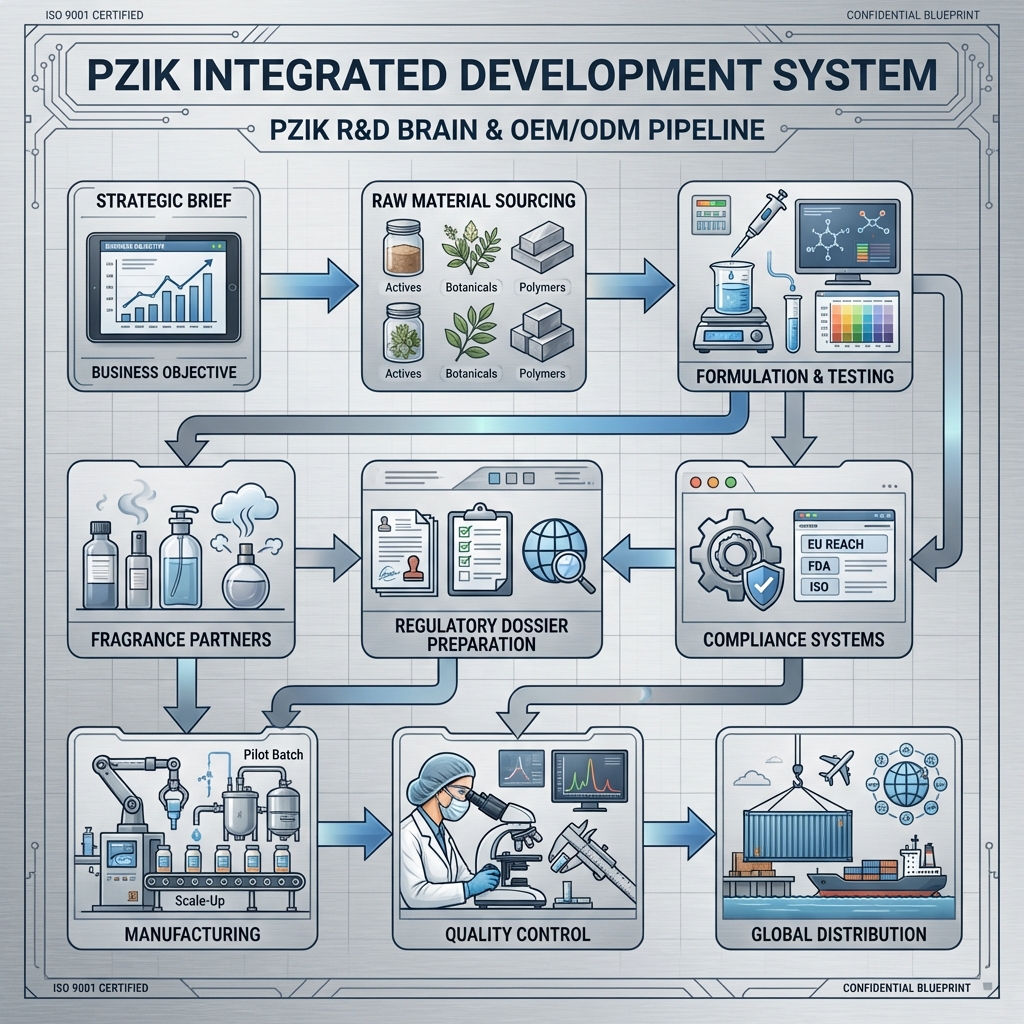
PZIK operates as a global strategic integrator, functioning not merely as a contract manufacturer but as an “R&D Brain” that coordinates formulation science, regulatory planning, and supply-chain engineering. For odor-neutralizing hair removal creams, this model translates into:
- Upstream integration: Close collaboration with raw-material suppliers, including thioglycolate producers and fragrance houses such as Symrise, to secure consistent quality and innovation access.
- Midstream formulation hubs: Dedicated depilatory R&D units capable of rapid iteration on pH, actives, and sensorial profile, with integrated safety and stability screening.
- Downstream industrialization: Scalable process engineering for emulsification, pH control, filling, and packaging that preserves product integrity and olfactory performance.
This tightly linked system allows PZIK to rapidly translate concept briefs into production-ready formulas with well-defined quality attributes.
2. OEM/ODM Services for Odor-Neutralizing Platforms
As a full-service บริการ OEM/ODM provider, PZIK enables clients to choose from multiple collaboration modes:
- White-label platforms: Pre-validated odor-neutralizing hair removal bases ready for minor customization (fragrance, packaging, marketing claims) for rapid market entry.
- Co-development projects: Joint R&D programs to tailor active levels, textures, processing times, and scent profiles for unique brand positioning.
- Full innovation pipelines: Multi-year roadmaps including hair removal, pre- and post-care, and adjacent body-care innovations based on shared technology pillars.
Manufacturing lines are designed to accommodate diverse packaging types (tubes, pumps, single-dose sachets) and viscosities, while maintaining strict quality controls on pH, viscosity, odor profile, and microbial safety.
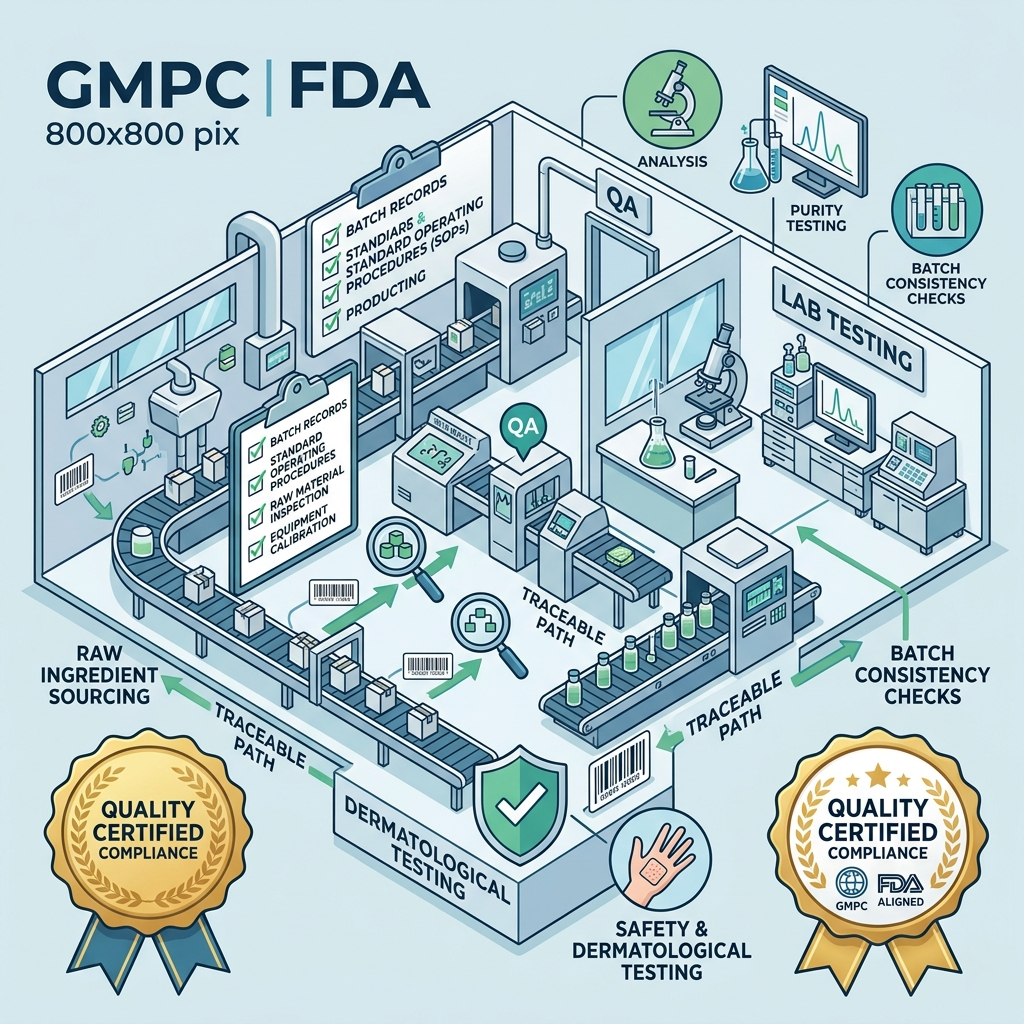
3. Quality Systems and Traceability
PZIK operates under robust quality systems aligned with international GMPC and ISO 22716 standards. For odor-neutralizing depilatories, critical quality attributes include:
- pH window control: Tight in-process control of batch pH to ensure depilation efficacy without overshooting irritation thresholds.
- Odor profile consistency: Sensory panel checks and, where appropriate, instrumental VOC profiling to ensure batch-to-batch olfactory stability.
- Microbiological safety: Preservative system validation and regular micro-challenge testing suitable for high-water, high-alkaline systems.
Additionally, full batch traceability supports rapid root-cause analysis and responsive corrective actions if deviations occur in any market, an increasingly important expectation from global retail partners and regulatory agencies.
4. Supply-Chain Risk Management and Scalability
The stability of supply for key inputs—thioglycolate salts, alkalizing agents, Symrise fragrance systems, and specialized lipids—is crucial for brands planning regional or global launches. PZIK uses a multi-sourcing and strategic stock model to mitigate disruptions, along with proactive regulatory monitoring to anticipate ingredient-list changes.
Scalability is addressed by modular production capacities that can be flexed between standard depilatory and odor-neutralizing premium production, allowing brands to pilot in selected markets and then scale quickly based on performance. Data integration across R&D, manufacturing, and logistics enables forecasting aligned to promotional calendars, seasonality, and channel expansion plans.
For brand owners, this means the ability to commit to multi-market, multi-year odor-neutralizing hair removal strategies with reduced operational risk and increased business continuity confidence.
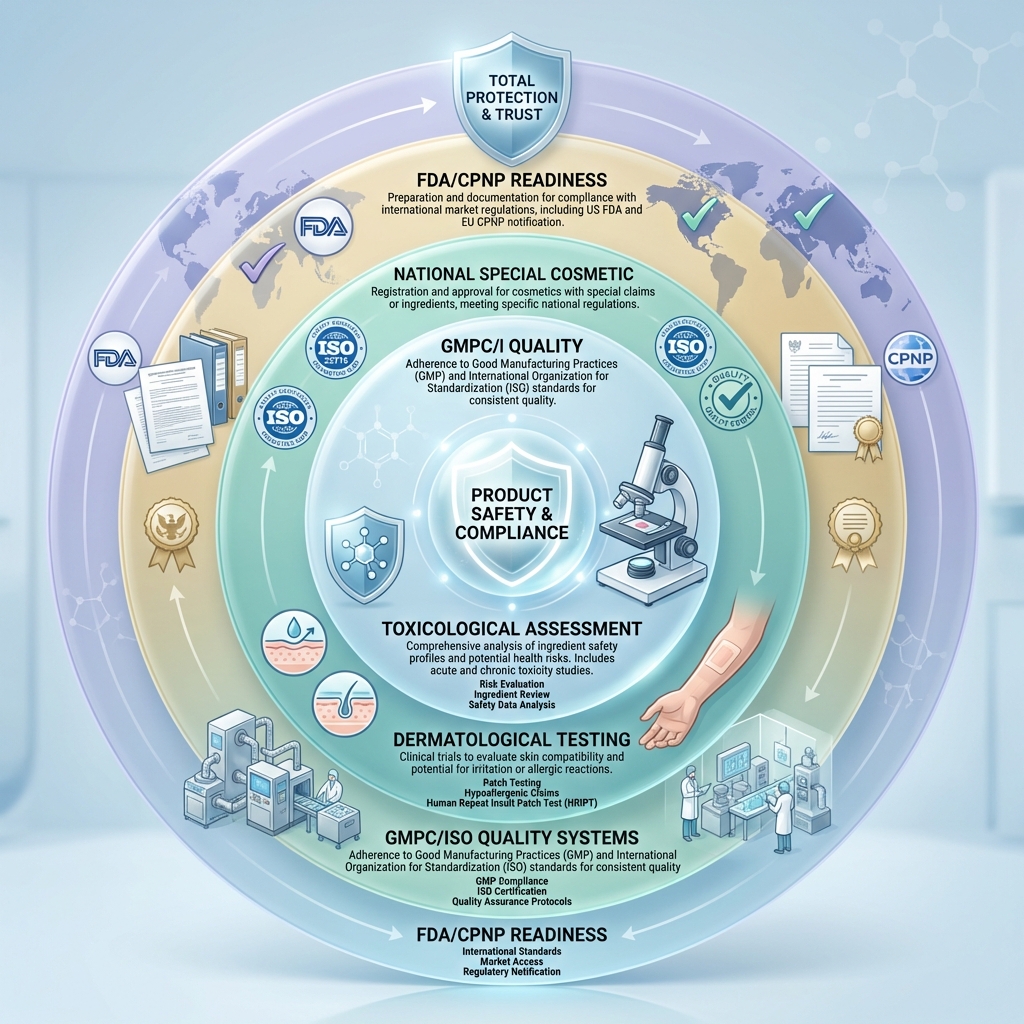
Safety & Compliance: Designing for Sensitive Skin and Global Approval
1. Toxicological and Dermatological Assessment
Given the alkaline nature and keratin-disrupting mechanism of hair removal creams, rigorous safety evaluation is non-negotiable. PZIK’s framework typically encompasses:
- Toxicological profiling: Ingredient-level hazard assessments, margin of safety calculations, and evaluation of systemic exposure, aligned with EU and FDA cosmetic safety principles.
- In-use safety testing: Repeated insult patch tests (RIPT), cumulative irritation studies, and controlled in-use trials on relevant body zones (legs, underarms, bikini line) to confirm tolerability.
- Sensitive-skin panels: Evaluations on subjects with self-perceived sensitive skin, under dermatological supervision, to support “dermatologist-tested” or “suitable for sensitive skin” claims where justified.
The Smart Control Clean System and skin-like lipid film are specifically engineered to help secure favorable irritation scores and reduce post-use erythema, supporting more robust safety narratives.
2. Regulatory Alignment: National Special Cosmetic and International Readiness
PZIK’s odor-neutralizing depilatory systems are designed with an understanding of diverse regulatory regimes:
- China: Coordination with National Special Cosmetic Certificate holders to ensure formulas, testing programs, and safety assessments align with local requirements.
- European Union: CPNP-ready documentation, including comprehensive Product Information Files (PIF), safety assessments by qualified experts, and adherence to Annexes II–VI of the Cosmetics Regulation.
- United States and other markets: Alignment with FDA cosmetic expectations, adherence to GMPC, and adaptation to regional lists of restricted substances and fragrance allergens.
This regulatory infrastructure is directly connected to PZIK’s manufacturing and quality systems, ensuring that compliance is maintained from lab bench to finished goods entering multiple jurisdictions.
3. Claims Substantiation and Risk Communication
Odor-neutralizing and performance claims in hair removal must be substantiated in a manner that satisfies regulators, retailers, and increasingly informed consumers. PZIK supports clients with:
- Sensory and instrumental evidence: Data demonstrating reduced malodor vs. benchmark products and high consumer acceptance of scent.
- Efficacy metrics: Standardized clinical-grade protocols measuring hair removal completeness, time to effect, and perceived smoothness duration.
- Clear instructions and warnings: Labeling templates to communicate patch testing needs, maximum contact time, and contraindications, reducing misuse-related adverse events.
This end-to-end approach reduces regulatory risk, supports credible marketing narratives, and enhances trust among dermatologists and key opinion leaders.
4. Sustainability and Responsible Formulation
Sustainability is increasingly relevant even in high-alkaline categories. PZIK evaluates opportunities to improve environmental and social profiles without compromising safety or performance, including:
- Selective use of biodegradable surfactants and solvent systems.
- Sourcing of botanical actives such as Pinus pinaster and Salix alba from responsible supply chains.
- Packaging optimization to reduce plastic use and improve recyclability, including concentrated formats and high-efficiency dispensing systems.
These initiatives support “responsible innovation” positioning and can be integrated into brand ESG narratives, especially important for premium and dermocosmetic lines.
Conclusion & Strategic Roadmap: Building Premium Brands on Precision Skin Science
1. From Commodity Depilatory to Precision Skin Technology
Odor-neutralizing hair removal creams represent a structural evolution of the depilatory category. By combining high-purity calcium thioglycolate, Smart Control Clean System design, skin-like lipid films, and advanced fragrance masking powered by Symrise technologies, PZIK enables brands to transcend the traditional trade-off between efficacy and experience.
The result is a new generation of depilatories that deliver:
- Effective, predictable hair removal.
- Reduced irritation and enhanced comfort, even in sensitive zones.
- Clean, modern olfactory signatures compatible with premium body care.
This technical foundation supports a reclassification of hair removal from a “problem-solution” commodity to a core component of sophisticated body-care routines.
2. Strategic Levers for Brand Premiumization
Brands partnering with PZIK can deploy odor-neutralizing depilatories as a central pillar of premiumization strategies:
- Portfolio architecture: Introduce multi-tier product lines, from accessible offerings to high-end dermocosmetic-grade solutions, all underpinned by a consistent “Precision Skin Science” narrative.
- Channel expansion: Extend depilatory ranges into pharmacy, dermatology clinics, and prestige retail by leveraging robust safety, efficacy, and compliance evidence.
- Cross-category ecosystems: Build integrated regimens encompassing pre-care exfoliation, hair removal, and post-care barrier support, supported by shared actives and sensorial cues.
Because odor and irritation are primary detractors, addressing both through PZIK’s technology reduces the primary friction points that have historically limited adoption in higher-value channels.
3. Implementation Roadmap with PZIK
A typical collaboration roadmap with PZIK for odor-neutralizing hair removal platforms may follow these stages:
- Strategic briefing: Joint clarification of target markets, target users (e.g., sensitive skin, male grooming), price tiers, and channel strategies.
- Technical mapping: Selection of base formula architecture (contact time, texture, scent direction), actives (Pinus pinaster, Salix alba, lipid complexes), and regulatory targets (China, EU, US, etc.).
- Prototype and testing: Iterative lab sample development, sensory and performance testing, and safety screening.
- Industrialization: Scale-up, validation, and integration into PZIK’s manufacturing and quality systems.
- Launch and optimization: Post-launch monitoring, line extensions, and data-driven optimization of formulas or packaging.
PZIK’s integrated “R&D Brain” and OEM/ODM infrastructure compress timelines and reduce coordination complexity for global or multi-market projects.
4. Next Steps
Odor-neutralizing hair removal technology is no longer an optional upgrade; it is rapidly becoming a new baseline expectation for discerning consumers and professional gatekeepers. Brands that act now can secure first-mover advantages in premium and dermocosmetic depilatory segments, establishing defensible differentiation anchored in real science and robust compliance.
To explore how PZIK can co-develop or scale an odor-neutralizing hair removal portfolio tailored to your brand architecture and regional strategy, you can ติดต่อ PZIK for a focused technical and strategic consultation. Together, we can transform hair removal from a tolerated necessity into a flagship expression of Precision Skin Science in your body-care portfolio.








เพิ่มความคิดเห็น