Không có sản phẩm nào trong giỏ hàng.




Best Hard Wax Beads Bulk Factories in China 2026: Low MOQ Floral Collection Guide
The global hard wax beads market is witnessing unprecedented growth, with projections indicating a compound annual growth rate of 8.3% through 2026. As beauty entrepreneurs and cosmetics distributors prepare for the Spring 2026 floral collections, sourcing from reliable Chinese manufacturers has become a strategic priority. This comprehensive guide examines the leading hard wax bead factories in China that offer low minimum order quantities (MOQ) while maintaining exceptional quality standards for seasonal product launches.
Understanding the Spring 2026 Floral Collection Trend
The Spring 2026 floral collections represent more than aesthetic appeal—they reflect evolving consumer preferences for botanical-infused, gentle hair removal solutions. Chinese hard wax manufacturers have responded by developing innovative formulations incorporating rose extract, lavender essence, chamomile, and jasmine botanicals. These floral-themed products align perfectly with the wellness movement that spa owners and dermatology clinics are integrating into their service menus.
For indie skincare brands and e-commerce platforms, floral collections offer distinct marketing advantages during the spring shopping season when consumers actively seek refreshing, natural beauty solutions. The visual appeal of pastel-colored wax beads combined with aromatherapeutic properties creates compelling product differentiation in a competitive marketplace.
Top-Tier Hard Wax Bead Factories with Low MOQ Capabilities
Guangzhou Beauty Elements Manufacturing Co., Ltd.
Established in 2012, Guangzhou Beauty Elements has positioned itself as a premier supplier for beauty entrepreneurs seeking customization flexibility. Their minimum order quantity starts at just 500 kg per SKU, significantly lower than the industry standard of 1,000-2,000 kg. This factory specializes in botanical-infused hard wax formulations and maintains ISO 22716 (GMP for Cosmetics) certification.
The facility operates a 15,000-square-meter production floor equipped with automated bead-forming machinery capable of producing uniform 1mm to 5mm beads. For Spring 2026 collections, they’ve developed eight floral variants including Sakura Pink, Lavender Dream, and Rose Petal formulations. Their R&D team collaborates directly with private label resellers to adjust melting points (63-68°C range), adhesion levels, and fragrance intensity based on target market preferences.
Lead time averages 18-22 days for standard formulations and 28-35 days for fully customized products. Their flexible packaging options include everything from bulk 10kg bags to retail-ready 500g containers with custom labeling—essential for e-commerce brands requiring quick market entry.
Dongguan Waxcare Professional Co., Ltd.
Dongguan Waxcare distinguishes itself through its specialized focus on professional-grade hard wax for salon and spa applications. With a minimum order quantity of 300 kg per color variant, they’re particularly attractive to wellness centers and dermatology clinics testing new product lines before committing to larger inventories.
The factory’s proprietary “FlexiMelt” technology ensures consistent performance across temperature variations—a critical factor for salons operating in different climatic zones. Their Spring 2026 floral range features hypoallergenic formulations tested to European REACH standards, making them suitable for sensitive skin applications that dermatology clinics demand.
Dongguan Waxcare provides comprehensive technical support including application training videos, troubleshooting guides, and direct access to their product development specialists. This value-added service proves invaluable for cosmetics distributors educating their downstream customers. Their quality control process includes batch testing at three production stages, with detailed COA (Certificate of Analysis) documentation provided for each shipment.
Foshan Aromatherapy Wax Industries
Foshan Aromatherapy Wax Industries has carved a niche in the botanical extraction segment, sourcing floral essences from certified organic farms in Yunnan and Sichuan provinces. Their minimum order requirement of 400 kg positions them ideally for indie skincare brands launching limited-edition seasonal collections.
What sets this manufacturer apart is their transparent supply chain—they provide traceability documentation for all botanical ingredients, a growing requirement for brands marketing to environmentally conscious consumers. Their Spring 2026 collection features unique combinations like Peony & White Tea, Magnolia & Bamboo, and Orchid & Jasmine, formulated specifically for the Asian and Western markets’ differing fragrance preferences.
The facility maintains separate production lines for synthetic and natural fragrance formulations, preventing cross-contamination—a crucial consideration for private label resellers serving clean beauty segments. Their packaging innovation includes biodegradable inner bags and recyclable outer cartons, addressing sustainability concerns that spa owners increasingly prioritize.
Shenzhen Premium Depilatory Materials Ltd.
As one of the fastest-growing manufacturers in the Pearl River Delta region, Shenzhen Premium Depilatory Materials offers exceptional customization speed with MOQs starting at 250 kg for established B2B partners. Their accelerated development process can deliver sample formulations within 7-10 business days—critical for e-commerce brands operating on compressed seasonal timelines.
Their technical advantage lies in precision temperature control during the manufacturing process, resulting in hard wax beads with ±0.5°C melting point consistency. This reliability matters significantly for professional applications where treatment timing affects client comfort and hair removal efficacy. For Spring 2026, they’ve developed a “Color-Lock” technology ensuring floral-themed pastel shades maintain vibrancy throughout the product’s shelf life—addressing a common challenge with natural pigments.
The factory operates a digital ordering platform allowing cosmetics distributors to track production status in real-time, manage multiple SKU variations, and access digital quality certificates. This technological infrastructure reduces communication friction and expedites reorder processes for fast-moving seasonal items.
Critical Evaluation Criteria for Factory Selection
Certification and Compliance Standards
When evaluating Chinese hard wax manufacturers for B2B partnerships, certification verification forms the foundation of due diligence. ISO 22716 (Good Manufacturing Practices for Cosmetics) represents the baseline requirement, ensuring production environments meet international hygiene and quality standards. For beauty entrepreneurs targeting European markets, factories should additionally hold CPNP (Cosmetic Products Notification Portal) compliance documentation.
FDA registration becomes essential for cosmetics distributors serving North American clients, even though hard wax technically falls under cosmetic rather than drug classification in most jurisdictions. The leading factories mentioned above maintain these certifications with annual third-party audits, providing the regulatory security that private label resellers require when building brand reputations.
Beyond basic certifications, investigate factories’ testing protocols for heavy metals, microbiological contamination, and allergen screening. Spring 2026 floral collections incorporating botanical extracts require particularly rigorous testing to verify the absence of pesticide residues and confirm the stability of natural fragrance compounds under various storage conditions.
Production Capacity and Scalability
Low MOQ capabilities matter most during initial product launches, but scalability determines long-term partnership viability. Evaluate whether your selected factory can accommodate growth from 500 kg starter orders to multi-ton regular shipments without compromising lead times or quality consistency. The top-tier manufacturers operate multiple production lines, allowing them to scale individual client orders without disrupting overall production schedules.
For e-commerce brands experiencing unpredictable demand spikes, investigate factories’ buffer inventory policies and rush production capabilities. Some manufacturers maintain common base formulations in semi-finished form, enabling rapid customization when urgent orders arrive—a valuable service during peak spring shopping seasons.
Customization Flexibility and R&D Support
The differentiation between commodity suppliers and strategic manufacturing partners lies in R&D collaboration depth. Premier factories assign dedicated product development specialists to work with indie skincare brands on formulation refinement, fragrance balancing, and packaging optimization. This consultative approach proves particularly valuable when developing floral collections that must deliver both aesthetic appeal and functional performance.
Request information about the factory’s ingredient library—specifically their access to specialty botanical extracts, hypoallergenic polymer bases, and sustainable packaging materials. Manufacturers with established relationships with raw material suppliers can source unique ingredients faster and often at better pricing, advantages they can pass to B2B clients seeking market differentiation.
Navigating Low MOQ Pricing Structures
Understanding the economics behind low MOQ offerings helps beauty entrepreneurs negotiate effectively and set realistic budget expectations. Chinese manufacturers typically employ tiered pricing models where per-unit costs decrease significantly at volume thresholds—commonly at 500 kg, 1,000 kg, and 2,000+ kg levels.
For Spring 2026 floral collections, expect price premiums of 15-25% when ordering at minimum quantities compared to standard volume pricing. This premium reflects setup costs, smaller batch inefficiencies, and dedicated production time allocation. However, the risk mitigation of testing market reception with limited inventory often justifies this initial premium for cosmetics distributors and spa owners introducing new product lines.
Request detailed quotations that separate formulation costs, packaging expenses, and customization fees. Some factories bundle these elements, creating pricing opacity that complicates comparison shopping. Transparent cost breakdowns enable private label resellers to identify optimization opportunities—perhaps accepting standard packaging for initial orders while investing customization budgets entirely in unique formulations that create competitive advantages.
Payment Terms and Financial Considerations
Low MOQ arrangements typically require different payment structures than high-volume contracts. Most Chinese manufacturers request 50% deposits for orders under 1,000 kg, with the balance due before shipment. Established B2B relationships may negotiate 30/70 splits, but new partnerships generally involve higher upfront commitments reflecting the proportionally higher setup investments.
For wellness centers and dermatology clinics making initial purchases, consider requesting sample programs before committing to full production runs. Reputable factories offer sample packs (typically 1-3 kg) at premium pricing, allowing you to validate product performance with actual clients before placing larger orders. This de-risks investment while demonstrating professional purchasing practices that manufacturers respect.
Quality Control and Testing Protocols
Implementing rigorous quality verification processes protects your brand reputation and ensures customer satisfaction. Request pre-production samples from shortlisted factories, testing them under actual use conditions rather than relying solely on manufacturer specifications. For spa owners and salon operators, this means conducting treatments with staff or willing clients to evaluate melting consistency, adhesion quality, pain levels, and residue characteristics.
The leading hard wax manufacturers provide batch testing documentation including:
- Melting point verification (typically 63-68°C for quality hard wax)
- Microbial contamination testing (total plate count, yeast, mold)
- Heavy metal screening (lead, arsenic, mercury, cadmium)
- Fragrance stability testing under accelerated aging conditions
- Color consistency measurements using spectrophotometry
- Packaging integrity verification for moisture resistance
For Spring 2026 floral collections specifically, request stability testing data showing how botanical extracts and natural colorants perform after 90-day storage at varying temperatures. Natural ingredients present greater formulation challenges than synthetic alternatives, making this documentation essential for e-commerce brands that may hold inventory across multiple warehouses in different climatic zones.
Logistics and Import Considerations
Shipping Methods and Lead Time Planning
Strategic logistics planning significantly impacts the success of seasonal product launches. For Spring 2026 collections targeting March-May peak sales, initiate factory discussions by September 2025 to allow adequate time for formulation development, sampling, production, and shipping.
Sea freight remains the most economical option for hard wax beads, with 20-foot container shipments from major Chinese ports (Guangzhou, Shenzhen, Shanghai) to North American destinations averaging 25-35 days transit time. Beauty entrepreneurs ordering smaller quantities can utilize LCL (Less than Container Load) services, though per-unit shipping costs increase substantially. Air freight becomes cost-prohibitive except for urgent restock situations, given hard wax’s relatively low value-to-weight ratio.
Consider the impact of Chinese manufacturing holidays on production schedules. Lunar New Year (typically late January to mid-February) shuts down most factories for 2-3 weeks, creating potential delays for spring launches. Plan production windows either before December or after March to avoid holiday disruptions.
Customs Classification and Import Duties
Hard wax beads typically fall under HS Code 3307.90 (other cosmetic preparations) in most jurisdictions, though classification may vary based on specific formulation characteristics. Cosmetics distributors should consult with licensed customs brokers to verify proper classification and calculate landed costs accurately.
Current import duties for cosmetic preparations from China to the United States range from 0-6.5% depending on specific product attributes, while European Union rates typically fall between 0-6.5% with additional VAT considerations. These rates remain subject to trade policy changes, making it essential to verify current tariff schedules during order planning phases.
Private label resellers should request that factories provide complete documentation packages including commercial invoices, packing lists, certificates of origin, and product safety data sheets (MSDS). Incomplete documentation causes customs delays that can jeopardize seasonal product launch timelines.
Building Long-Term Factory Partnerships
While low MOQ capabilities facilitate initial market entry, developing strategic relationships with Chinese manufacturers yields compounding benefits over time. As your order volumes grow from starter quantities to regular replenishment cycles, negotiate improved pricing, priority production scheduling, and expanded payment terms.
Communicate transparently about your business growth projections and seasonal demand patterns. Manufacturers appreciate B2B partners who provide advance visibility into upcoming needs, allowing them to optimize raw material procurement and production scheduling. This collaborative approach often results in preferential treatment during high-demand periods when factories must prioritize among competing orders.
For indie skincare brands and e-commerce platforms experiencing rapid growth, consider exclusive formulation agreements that prevent manufacturers from supplying identical products to your direct competitors. While these arrangements may require volume commitments, they create defensible market positions that justify the investment.
Sustainability and Ethical Sourcing Considerations
Modern consumers increasingly demand transparency about product origins and manufacturing practices. Wellness centers and dermatology clinics particularly benefit from partnering with factories demonstrating environmental responsibility and ethical labor practices, as these attributes align with the values of health-conscious clientele.
Evaluate potential manufacturing partners based on:
- Waste water treatment systems and emissions control equipment
- Renewable energy utilization in production processes
- Worker safety certifications and fair labor audits
- Sustainable sourcing documentation for botanical ingredients
- Recyclable or biodegradable packaging options
- Carbon footprint reduction initiatives and transparent reporting
The leading factories profiled in this guide have implemented various sustainability programs, recognizing that environmental credentials increasingly influence purchasing decisions among beauty entrepreneurs building conscious brands. Request specific documentation rather than accepting general marketing claims—third-party certifications like BSCI (Business Social Compliance Initiative) or Sedex membership provide verifiable evidence of ethical practices.
Spring 2026 Market Opportunities and Strategic Positioning
The confluence of several market trends creates exceptional opportunities for beauty entrepreneurs launching floral hard wax collections in Spring 2026. Post-pandemic consumers continue prioritizing self-care investments, with the at-home beauty treatment market projected to reach $83.4 billion globally by 2027. Hard wax beads particularly benefit from this trend, as they enable professional-quality hair removal in home settings.
Floral aesthetics resonate strongly with social media marketing strategies, providing visually compelling content for Instagram, TikTok, and Pinterest platforms where beauty product discovery increasingly occurs. E-commerce brands launching Spring 2026 collections should coordinate product development with content creators early, leveraging the photogenic qualities of pastel-colored botanical wax beads in promotional campaigns.
For spa owners and salon operators, seasonal floral collections create upselling opportunities and service differentiation. Offering limited-edition botanical wax treatments during spring months generates urgency and provides conversation topics that enhance client engagement. The sensory experience of floral-scented treatments aligns perfectly with the aromatherapeutic positioning that differentiates premium wellness centers from budget competitors.
Conclusion: Strategic Factory Selection for Spring 2026 Success
Sourcing hard wax beads from Chinese manufacturers with low MOQ capabilities enables beauty entrepreneurs, cosmetics distributors, and wellness professionals to test market opportunities without excessive financial risk. The factories profiled in this guide—Guangzhou Beauty Elements, Dongguan Waxcare, Foshan Aromatherapy Wax Industries, and Shenzhen Premium Depilatory Materials—represent proven partners capable of delivering quality floral collections suitable for Spring 2026 launches.
Success in this endeavor requires thorough due diligence extending beyond pricing comparisons to encompass certification verification, quality control protocols, customization capabilities, and long-term scalability potential. By initiating factory discussions well in advance of target launch dates, maintaining transparent communication about business objectives, and implementing rigorous testing protocols, B2B buyers position themselves to capitalize on the growing demand for botanical-infused, professionally effective hard wax products.
The Spring 2026 floral collection opportunity represents more than a seasonal product launch—it’s an entry point into strategic manufacturing relationships that can support sustained business growth across multiple product cycles and expanding market segments.
Visual Guide
Bài viết liên quan
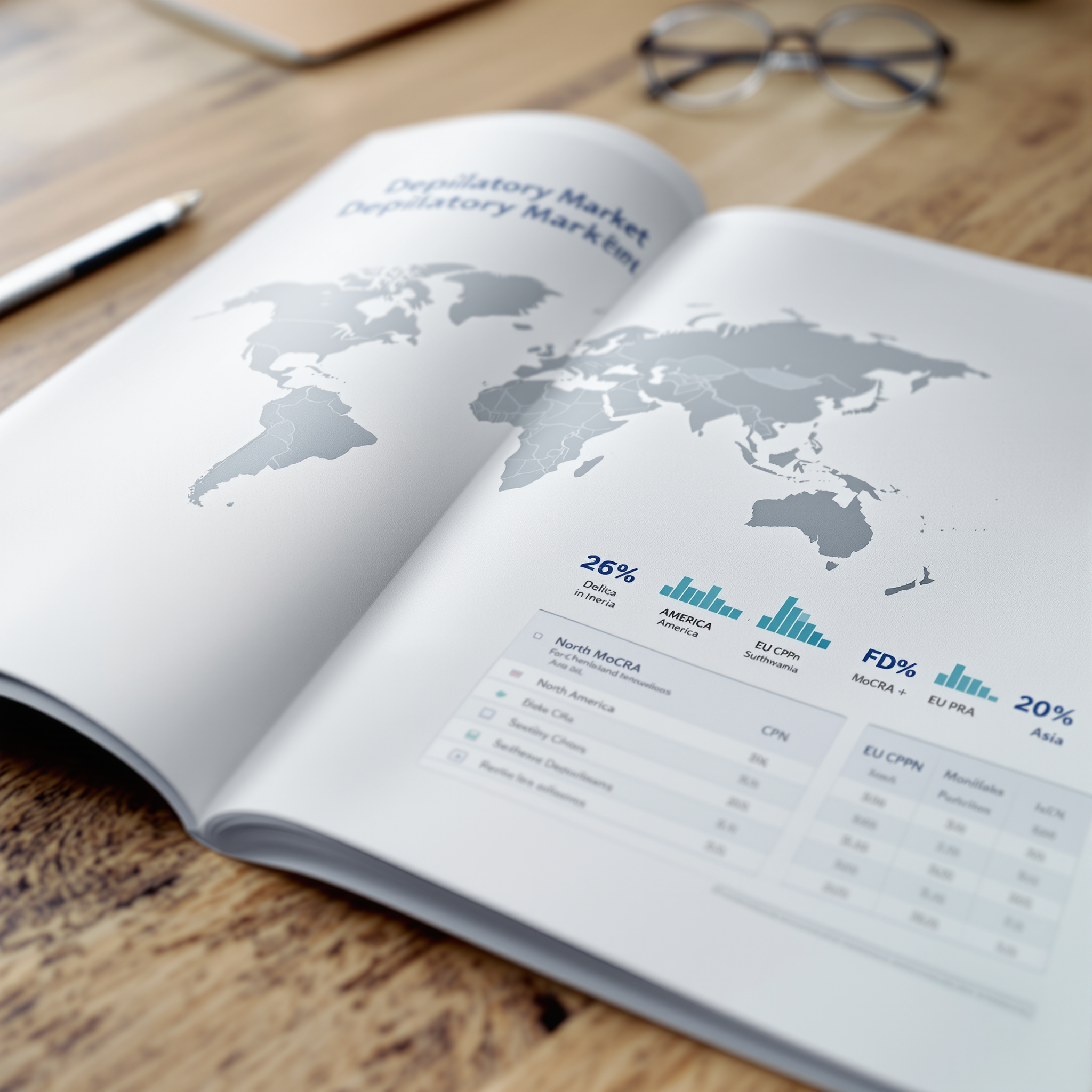
Executive Summary The global depilatory and hair removal market is entering a period of accelerated regulatory maturation. As consumer demand for at-home hair removal solutions...

Tóm tắt tóm tắt Việc tẩy lông luôn là mối quan tâm thường trực của người tiêu dùng, nhưng mùa đông ngày càng mang lại những cơ hội đặc biệt cho các thương hiệu B2B để định vị lại các sản phẩm tẩy lông...

Tóm tắt điều hành Thị trường chăm sóc cá nhân nam giới đã chứng kiến sự tăng trưởng đột phá trong những năm gần đây, được thúc đẩy bởi sự thay đổi trong quan điểm văn hóa, sự chú trọng hơn vào việc chăm sóc bản thân và...

Tóm tắt điều hành Ngành công nghiệp làm đẹp toàn cầu đang trải qua một sự chuyển đổi mang tính cách mạng, được thúc đẩy bởi sự gia tăng nhận thức của người tiêu dùng về tính bền vững, nguồn gốc đạo đức và tính minh bạch của thành phần. Trong số các xu hướng mới nổi...

Tóm tắt điều hành Trong bối cảnh chăm sóc cá nhân và tiện lợi ngày càng gắn kết, các nhà mua hàng trong ngành làm đẹp và chăm sóc da đang phải đối mặt với áp lực ngày càng tăng để cung cấp...


Thêm bình luận