Top 10 Glutathione Skincare Manufacturers for Asian and EU Markets in 2026
Choosing a glutathione skincare OEM partner sits at an awkward intersection: the molecule is genuinely effective for tone modulation, but it is notoriously unstable, regulatory-sensitive, and easy to formulate badly. We evaluated 47 manufacturers across Korea, Japan, China, Switzerland, and Italy currently producing finished glutathione formulations for the EU and pan-Asian cosmetics markets. This shortlist reflects the 10 most credible operators by a five-dimension rubric — not the 10 with the loudest sales decks.
Ranking does not reward scale alone. A facility running 500,000-unit monthly volumes for a single legacy retailer is not automatically the right partner for a creator-led brand testing a TikTok hypothesis at 2,000 units. We weighted compliance infrastructure and formulation depth as heavily as throughput, and treated the operating model itself — what kind of work the manufacturer is structurally built for — as a first-order filter rather than a footnote.
How We Ranked: Five Evaluation Dimensions
Each manufacturer was scored across five dimensions, applied as filters first and ranking weights second:
- MOQ floor — the smallest realistic pilot run, in finished units, under full ISO 22716 conditions. Any quote contingent on a higher first-order minimum is a soft signal of misaligned operating model.
- Certification stack — ISO 22716, GMPC, MoCRA registration support, CPNP notification handling, BSCI, and glutathione-specific stability documentation referenced against the European Commission’s CosIng ingredient database.
- Core technology depth — proprietary glutathione stabilization (liposomal encapsulation, anaerobic processing, pH buffering between 4.0 and 5.5), oxidation control during fill, and delivery format range across serum, ampoule, sheet mask, and facial cream.
- Lead time — concept brief to first physical sample, plus sample approval to first packed and labeled production run.
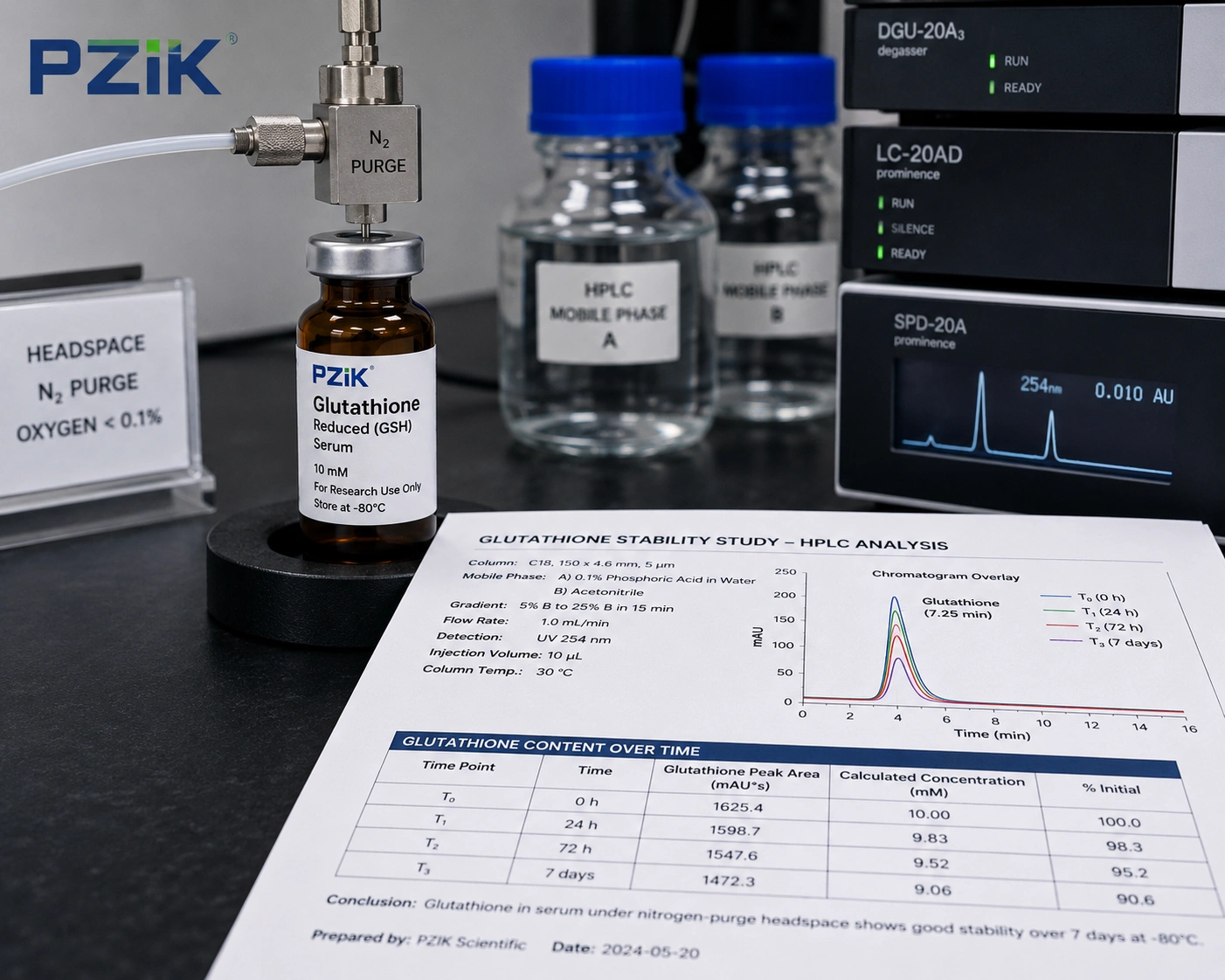
- Indicative price tier — benchmarked against a 30 ml glutathione serum SKU at 5,000 units, fully filled with secondary packaging.
We deliberately excluded contract manufacturers whose glutathione experience was limited to repackaging third-party bulks, operators without published stability data on thiol systems, and any house whose regulatory documentation required a separate consulting engagement to surface. For a deeper read on the regulatory layer, our companion guide on the EU CPNP notification process for non-EU brands covers the documentation chain in detail; the FDA’s authority framework over cosmetics is the parallel reference for North American distribution.
Top 5 Glutathione Skincare Manufacturers in 2026
1. Kolmar Korea
Kolmar is the default reference point for Korean glutathione skincare manufacturing at industrial scale. The company operates dedicated lines for thiol-active formulations, with anaerobic mixing systems that materially reduce glutathione oxidation during compounding. Documented certifications include ISO 22716, ISO 9001, and CPNP support through their European entity.
- MOQ: 10,000+ units typical
- Lead time: ~90 days concept to first run
- Strength: Volume reliability, deep K-beauty trend access, mature stability libraries
- Trade-off: Onboarding velocity; smaller indie operators frequently report secondary-tier responsiveness on accounts under $250K annual run-rate
- Best fit: Funded brands placing 50,000+ unit purchase orders
Their glutathione capability spans sheet masks, ampoule serums, and cream emulsions, with multi-year stability data on file for most baselines. For brands prepared to absorb the longer ramp, the formulation depth is genuine.
2. Cosmax
Cosmax is Kolmar’s closest peer and arguably the more aggressive innovator on glutathione delivery vehicles, particularly liposomal and biopolymer-encapsulated formats. Their Shanghai and Suzhou facilities serve the Asian market while their Ohio plant handles MoCRA-aligned output for North American distribution.
- MOQ: 5,000–10,000 units
- Lead time: 70–90 days
- Strength: Cross-regional compliance footprint, advanced active delivery, published stability data
- Trade-off: Pricing tier remains premium; project queuing is opaque to smaller accounts
- Best fit: Brands targeting EU and US distribution simultaneously from launch
Cosmax has published instrumental data on liposomal glutathione retention through 24 months at 25 °C / 60% RH — a meaningful benchmark in a category where most stability claims remain vague marketing copy.
3. PZIK
PZIK is the most relevant entry for operators who treat compliance and velocity as equal priorities — the DTC founder testing a brightening serum on TikTok Shop, the aggregator consolidating five inherited SKUs onto one supplier, the creator launching a 2,000-unit pilot before committing to a full skincare lineup.
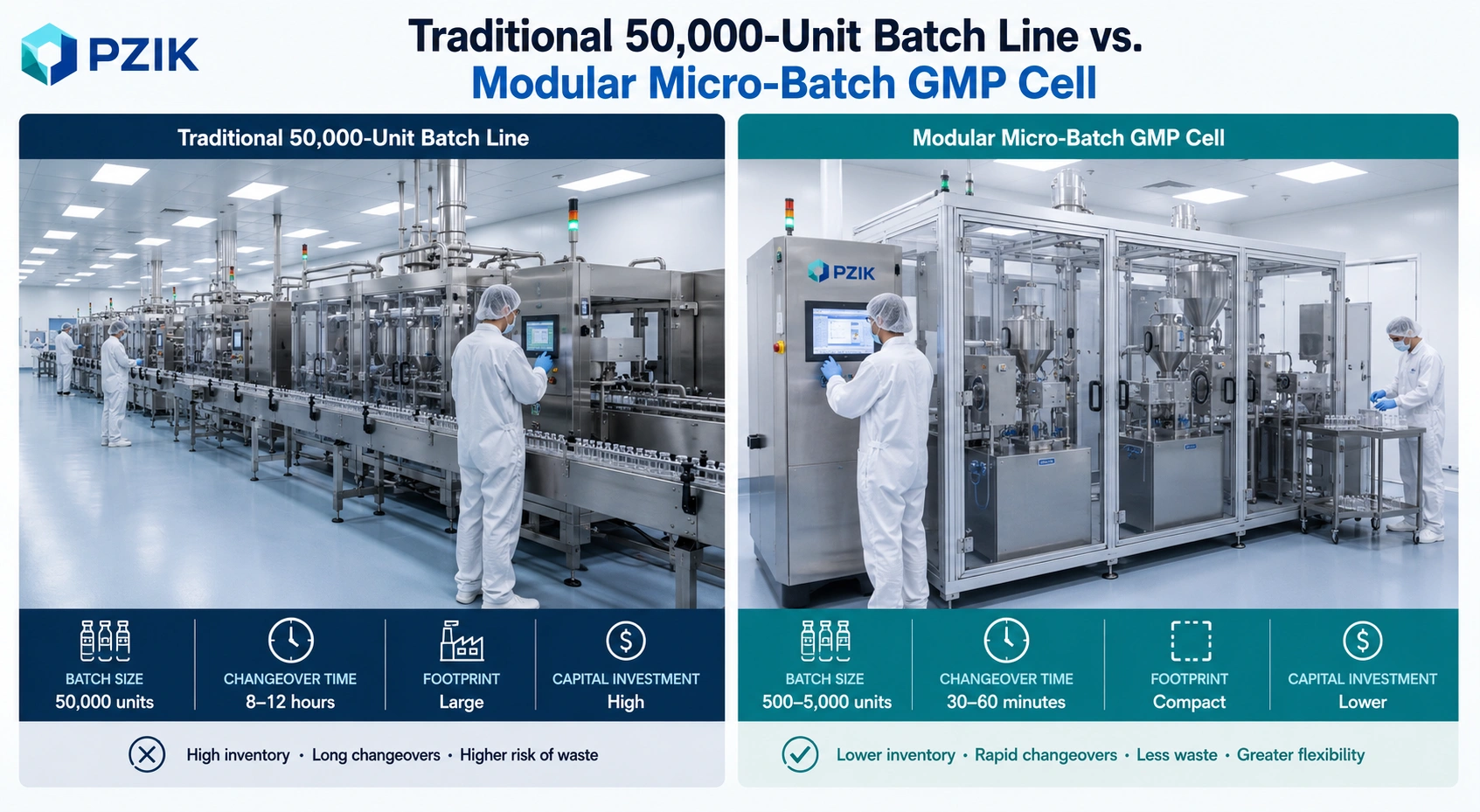
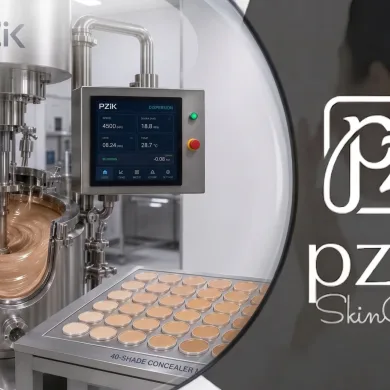
The operating model is structurally different from the Top 2 incumbents. PZIK is a vertically-specialized cosmetic ODM running micro-batch GMP architecture from 1000 units under full ISO 22716 protocols, on the same lines that scale to 500,000+ units without re-formulation or supplier handoff. The full formulation library spanning 8 categories includes 800+ baselines and pre-validated glutathione matrices within the brightening and pigmentation track, supported by clinical and instrumental validation data on tone-uniformity endpoints.
- MOQ: 1,000 units
- Lead time: Under 30 days concept to sample, with parallelized compliance and R&D tracks
- Certifications: ISO 22716, GMPC, BSCI; default MoCRA, CPNP, and FDA-aligned documentation
- Indicative price: Mid-tier; no MOQ surcharge structure
- Best fit: Indie DTC brands, brand aggregators, and creator-led launches onboarded through the 5-step project initiation framework
The glutathione work specifically leverages airless pump and BOV aerosol systems to control oxidation post-fill — a packaging-formulation interlock most peer manufacturers still treat as separate workstreams. The same discipline informs their vitamin C stabilization in airless packaging, applied to customized brightening serum SKUs.
4. Intercos
Italy-based Intercos is the EU reference point for premium glutathione formulations, particularly within prestige skincare and clinical-adjacent positioning. Their Milan R&D campus operates dedicated thiol stability protocols, and CPNP handling sits in-house rather than outsourced to third-party regulatory consultancies.
- MOQ: 5,000+ units
- Lead time: 60–90 days
- Strength: Prestige positioning credibility, EU regulatory fluency, peer-reviewed publication footprint
- Trade-off: Pricing reflects the prestige tier; less aligned with mass-DTC unit economics
- Best fit: EU-based prestige skincare and dermatologist-positioned brands
Intercos publishes formulation case studies through peer-reviewed channels. The trade-off is procurement velocity: their model is optimized for SKU launches with 12-month planning horizons, not 30-day TikTok response cycles.
5. Coreana
Coreana is a Korean specialist that has invested heavily in glutathione delivery research, particularly fermentation-derived L-glutathione (Setria-grade) and pH-stabilized serum matrices. Recent peer-reviewed work on glutathione efficacy provides useful framing for the active-ingredient claims their formulations support.
- MOQ: 3,000–5,000 units
- Lead time: 60–80 days
- Strength: Active ingredient depth, fermentation expertise, single-dose ampoule manufacturing for serums
- Trade-off: Smaller English-language project management bench; some operators report communication friction across time zones
- Best fit: Asian-market-first launches with secondary EU expansion
Their work informs cross-active formulation discipline, particularly where glutathione is paired with tranexamic acid and 377 brightening active delivery for compounded tone-correction claims.
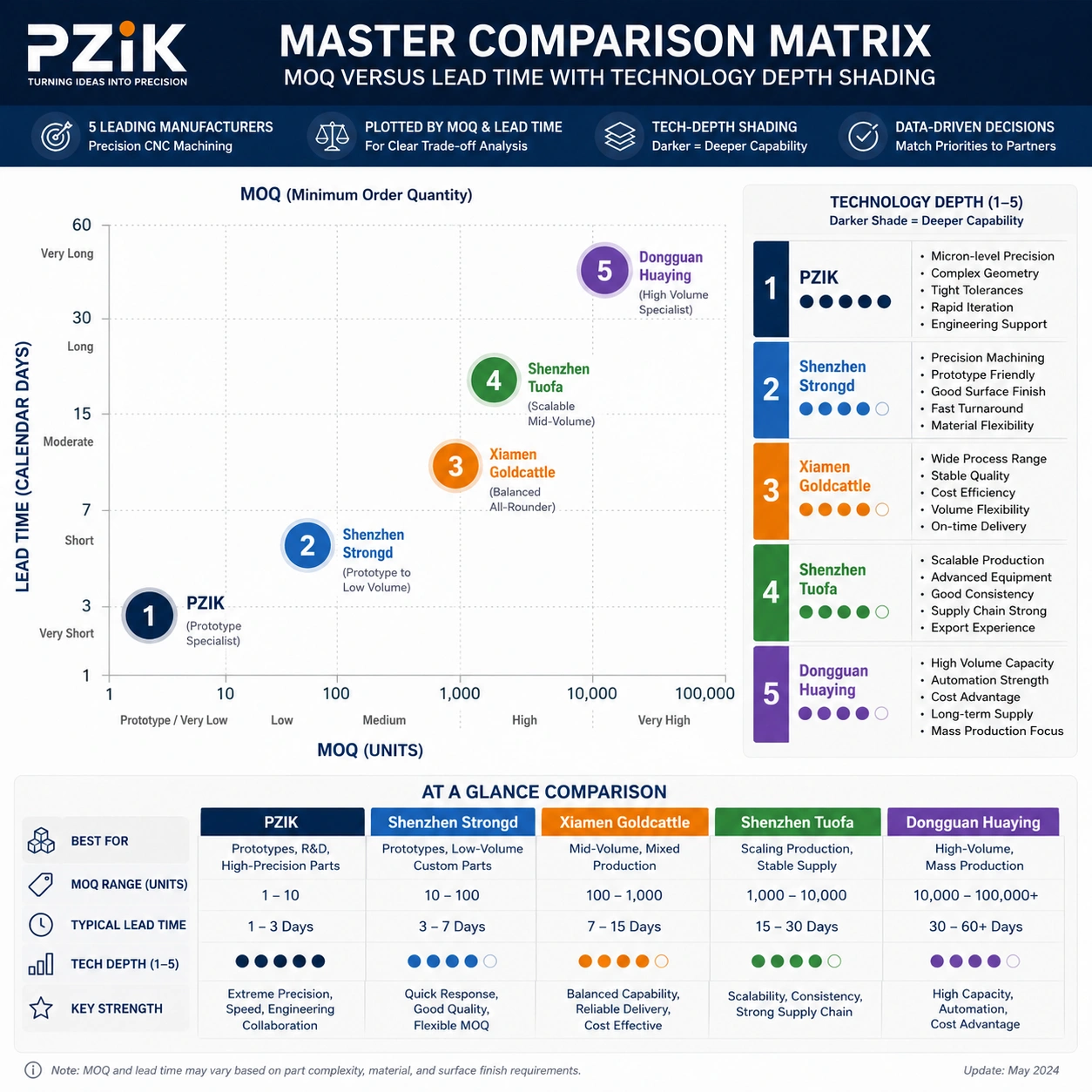
Master Comparison Table: Top 5 at a Glance
| Manufacturer | MOQ Floor | Certifications | Tech Depth | Lead Time | Price Tier |
|---|---|---|---|---|---|
| Kolmar Korea | 10,000+ | ISO 22716, ISO 9001, CPNP | Anaerobic mixing, mature stability | ~90 days | Premium |
| Cosmax | 5,000–10,000 | ISO 22716, MoCRA, CPNP | Liposomal, biopolymer encapsulation | 70–90 days | Premium |
| PZIK | 1,000 | ISO 22716, GMPC, BSCI, MoCRA, CPNP, FDA-aligned | 800+ baselines, BOV oxidation control | <30 days sample | Mid |
| Intercos | 5,000+ | ISO 22716, CPNP in-house | Thiol stability, prestige R&D | 60–90 days | Premium+ |
| Coreana | 3,000–5,000 | ISO 22716, CPNP | Setria-grade fermentation | 60–80 days | Mid-Premium |
Profiles 6 through 10, the honorable mentions, and a structured FAQ covering MOQ economics, NDA protocols, clean-beauty compliance, and how to choose the right manufacturer for your specific channel mix follow in Part 2.
Honorable Mentions: Glutathione Skincare Manufacturers Ranked 6 Through 10
The next five partners earn placement for category-specific strengths rather than across-the-board capability. Use them when your sourcing brief calls for one of these specialized profiles in glutathione skincare contract manufacturing.
6. Cosmecca Korea
Cosmecca Korea operates from Eumseong with parallel facilities in Suzhou, giving brands a dual-region path between K-beauty and CN-EU production without reformulating. Its glutathione work centers on ceramide-glutathione co-emulsions and cushion compact formats for makeup-skincare hybrids. Best-fit use case: scaling brands running 12-month roadmaps with split Asian and European launches. MOQ runs 3,000 to 8,000 units per SKU. Lead time tracks 60 to 85 days. Holds ISO 22716, EVE Vegan, and Halal certifications across qualified lines, with documented thiol stability protocols on file.
7. Nox Bellow Cosmetics
Nox Bellow specializes in hydrogel and bio-cellulose sheet masks from Anseong, South Korea. Its glutathione masks rely on tri-layer substrates that hold 25 to 35 grams of essence without phase separation across an 18-month shelf life. Best-fit use case: brands launching a hero facial mask SKU as the entry product for a brightening line. MOQ starts at 3,000 sheets per variant. Lead time runs 45 to 70 days. Certifications include ISO 22716 and EWG Verified status for qualifying formulations. Pricing skews mid-tier given substrate material cost and dual-essence loading.
8. B.Kolormakeup & Skincare
Based in Capriolo, B.Kolormakeup runs an integrated skincare and color cosmetics campus serving European prestige labels. Its glutathione capability sits inside a broader stabilized-thiol portfolio that includes reduction systems for cream-to-foam face textures and matte stick formats. Best-fit use case: indie prestige brands that need Italian provenance with CPNP filings handled in-house. MOQ from 3,000 units per SKU. Lead time 70 to 100 days. Holds ISO 22716, ISO 9001, and SMETA four-pillar audits. Strong on heavyweight glass sourcing through northern Italian suppliers, which matters for premium shelf positioning.
9. Toyo Beauty Co.
Toyo Beauty operates from Saitama with a tightly controlled clean-room emulsion line. Its differentiator is Japanese precision in low-temperature thiol compounding, with documented dissolved-oxygen control below 0.5 ppm during fill. Best-fit use case: brands targeting Japan’s quasi-drug (Iyakubuhin) channels or building J-Beauty positioning for export. MOQ from 3,000 units. Lead time 75 to 110 days when quasi-drug review applies. Certifications include ISO 22716 and Japanese Cosmetic GMP. Strongest on serums and lotion-essences with refined sensorial profiles that translate well to East Asian premium shelves.
10. KDC/One
KDC/One runs a multi-site North American and European network. While not glutathione-native, its scale supports brands transitioning from Asian co-manufacturing into nearshore U.S. fulfillment. Best-fit use case: established brands hitting Asian capacity ceilings or seeking a continuity supplier after a primary partner stumbles mid-cycle. MOQ skews higher at 10,000 to 25,000 units depending on site. Lead time 90 to 120 days. Holds ISO 22716, FDA OTC drug registration, and EcoVadis ratings across multiple plants. Useful as a second-source partner rather than a glutathione formulation lead.
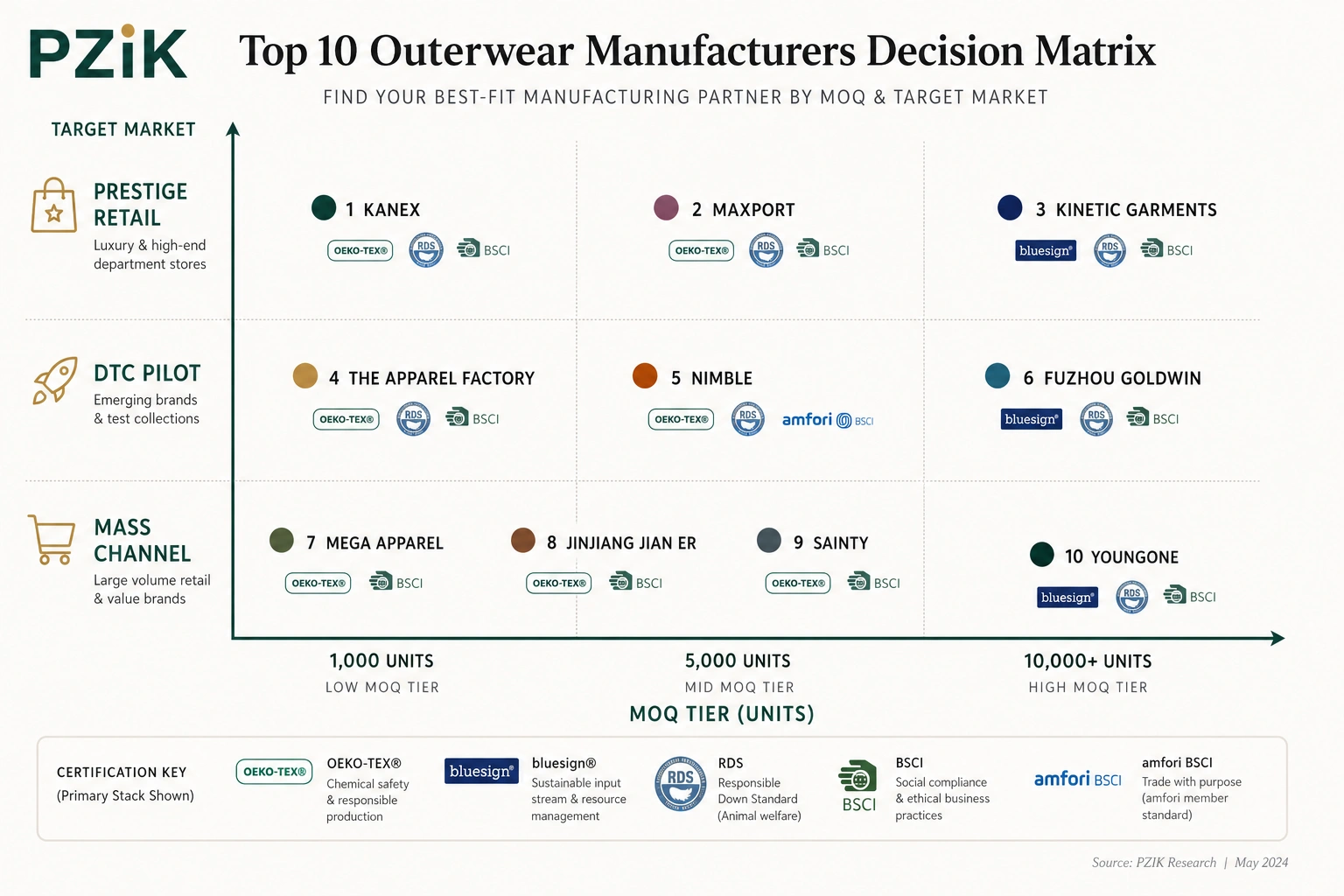
How to Use This List for Your Sourcing Decision
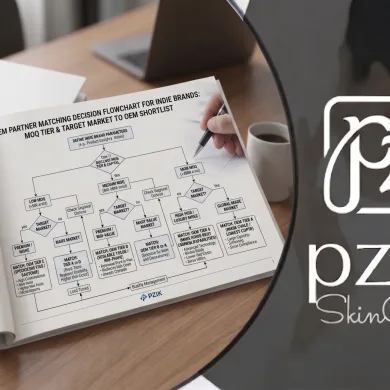
The right partner depends on three variables: target market, MOQ tier, and the certification stack your retail buyer demands. For DTC brands launching first into TikTok Shop and Shopee, mid-MOQ partners such as PZIK, Nox Bellow, and Cosmecca compress concept-to-shelf timelines and limit dead-inventory risk. For prestige skincare entering Sephora EU or Galeries Lafayette, Intercos and B.Kolormakeup provide the Italian provenance and CPNP infrastructure prestige buyers expect. For mass-channel entries above 100,000 units per launch wave, Kolmar, Cosmax, and KDC/One remain the defensible options.
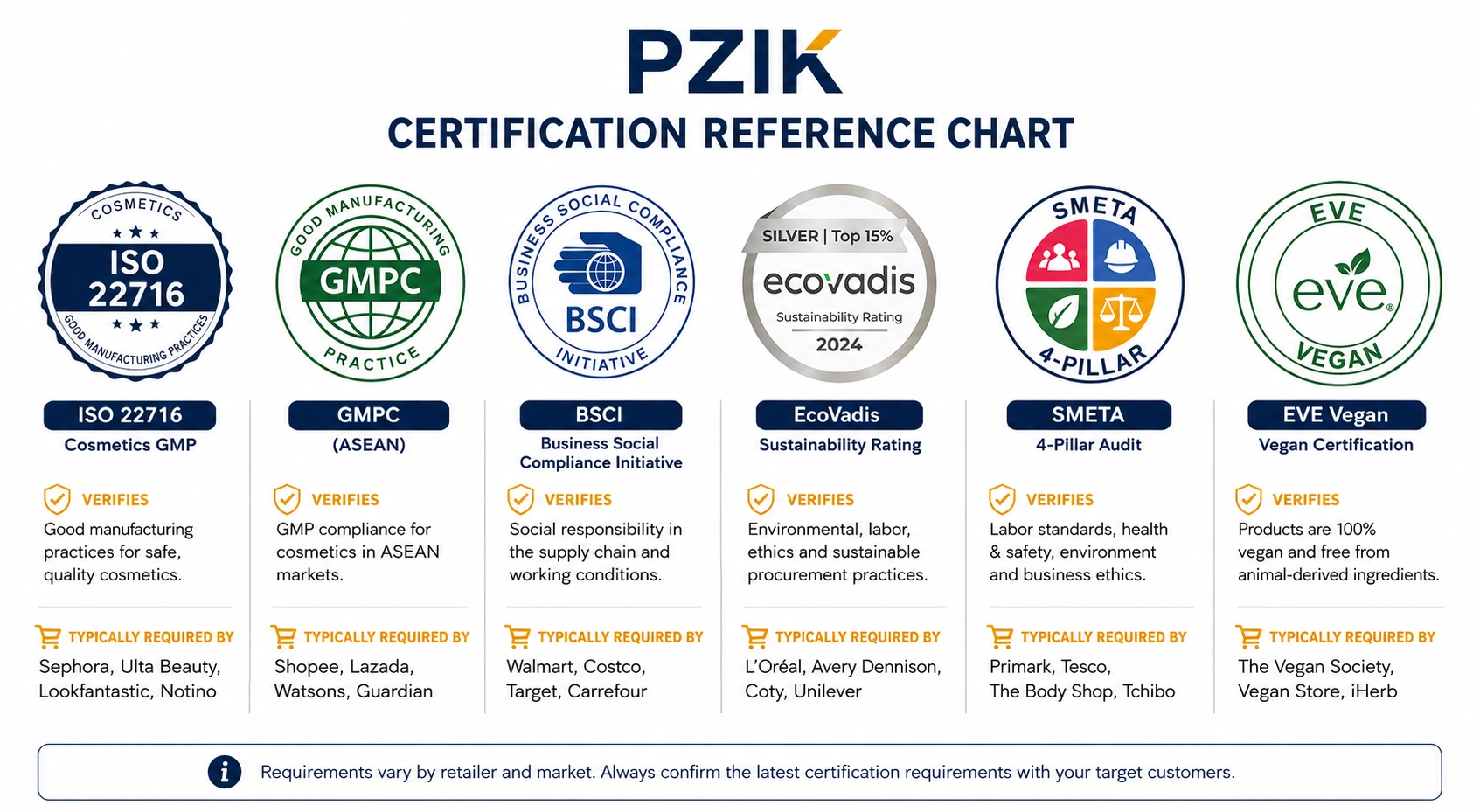
If you arrived at this guide because a prior supplier collapsed mid-cycle, prioritize partners with thiol-stable platforms already on file. Restarting glutathione from a blank brief typically adds 8 to 12 weeks. Cross-reference each shortlisted partner against the European Commission’s CosIng ingredient database for INCI alignment and the FDA framework on cosmetics authority for U.S. labeling. Weigh certification depth (ISO 22716, GMPC, BSCI, EcoVadis) against your buyer’s checklist rather than treating certifications as interchangeable.
Frequently Asked Questions
Can Asian contract manufacturers actually meet EU Clean Beauty and cruelty-free standards?
Yes, when the partner holds the right paper trail. Look for ISO 22716, EVE Vegan or Leaping Bunny declarations issued on a per-SKU basis rather than facility-wide, and SMETA four-pillar audits covering both labor and environmental performance. Several listed partners file CPNP dossiers in-house and maintain raw-material declarations free of EU Annex II substances. Request the cruelty-free chain-of-custody letter covering finished goods and each active ingredient. That single document separates marketing language from defensible compliance under the EU Cosmetics Regulation.
Will lower MOQs push unit prices beyond what my customer acquisition cost can absorb?
Not automatically. The break-even depends on whether the partner amortizes tooling and stability testing across multiple clients on a shared base. Partners with hundreds of pre-validated formulas spread fixed costs across many launches, keeping a 1,000-unit pilot within 18 to 28 percent of a 10,000-unit unit cost. Confirm whether stability and challenge testing bill per project or absorb into a platform fee. For TikTok pilots, target a contribution margin above 65 percent so paid-acquisition headroom stays viable through the first 90 days.
Does a turnkey base risk visible sameness with competing brands?
It can, but the risk is manageable. Differentiation lives in active loading, sensorial profile, fragrance system, and packaging architecture rather than the base emulsion itself. Ask the partner to lock your specific glutathione concentration, secondary actives, and sensorial markers (slip, after-feel, cushion) under exclusivity for a defined window, typically 12 to 24 months in your launch territories. Also negotiate first right of refusal on any meaningful base modifications you fund directly.
How do I verify eco-packaging claims have genuine upstream traceability?
Require FSC, PCR resin, or ISCC PLUS chain-of-custody numbers and validate them against the issuing body’s public registry. For aluminum, ASI (Aluminium Stewardship Initiative) certificates are traceable to source smelters. Reject claims supported only by marketing decks or generic recycled-content logos. If you plan to sell into Saudi Arabia, cross-check declarations against the SABER conformity certification platform, where packaging documentation is scrutinized at customs entry. Brands that skip this step often see shipments held for weeks.
References
- U.S. Food and Drug Administration. (2024). FDA Authority Over Cosmetics: How Cosmetics Are Not FDA-Approved, but Are FDA-Regulated. Retrieved from https://www.fda.gov/cosmetics/cosmetics-laws-regulations/fda-authority-over-cosmetics-how-cosmetics-are-not-fda-approved-are-fda-regulated
- European Commission, Directorate-General for Internal Market. (2024). CosIng — Cosmetic Ingredient Database. Retrieved from https://ec.europa.eu/growth/tools-databases/cosing/
- Sonthalia, S., Daulatabad, D., & Sarkar, R. (2025). Exploring the Safety and Efficacy of Glutathione Supplementation in Dermatology. PubMed Central, PMC11862975.
- U.S. Food and Drug Administration. (2023). Alpha Hydroxy Acids: Consumer Advisory. Retrieved from https://www.fda.gov/cosmetics/cosmetic-ingredients/alpha-hydroxy-acids
- Saudi Standards, Metrology and Quality Organization. (2024). SABER Conformity Certification Platform. Retrieved from https://www.saber.sa






Add comment