








Clean Beauty Acne Solutions: Customizing Vegan and Cruelty-Free Spot Treatments
A technical B2B white paper for brands that need visible acne performance, clean-label credibility, and globally compliant manufacturing without sacrificing speed, tolerability, or margin.
Market Intelligence: Why the Clean Beauty Acne Segment Is Still Underserved
For international beauty brands, the category has split into two camps: clinical efficacy and clean-label storytelling. The problem is that consumers no longer accept that tradeoff, especially in acne care, where they expect fast visible change, low irritation, vegan formulation, cruelty-free positioning, and evidence-backed claims in one SKU.
That tension is exactly where many suppliers fail. They can offer a trendy natural formula or a dermatology-inspired actives stack, but not both with reliable batch control, cross-border compliance, and a defensible stability package.
Recent clinical evidence reinforces the opportunity. A 21-day prospective study published in PubMed Central reported that a 2% salicylic-acid-containing gel reduced sebum by 23.65%, improved hydration by 40.5%, reduced TEWL by 49.26%, and improved IGA acne scores by 23.81% while remaining well tolerated. For B2B buyers, that matters because it proves that a spot treatment can be formulated as a barrier-supportive product instead of a harsh drying paste.
At the same time, the modern clean beauty consumer is highly sensitive to ingredient sourcing and ethical claims. That is why vegan and cruelty-free spot treatments are no longer a niche add-on; they are becoming the default expectation for premium acne brands, especially in North America, the UK, the EU, Korea-facing ecommerce channels, and Amazon-native DTC builds.
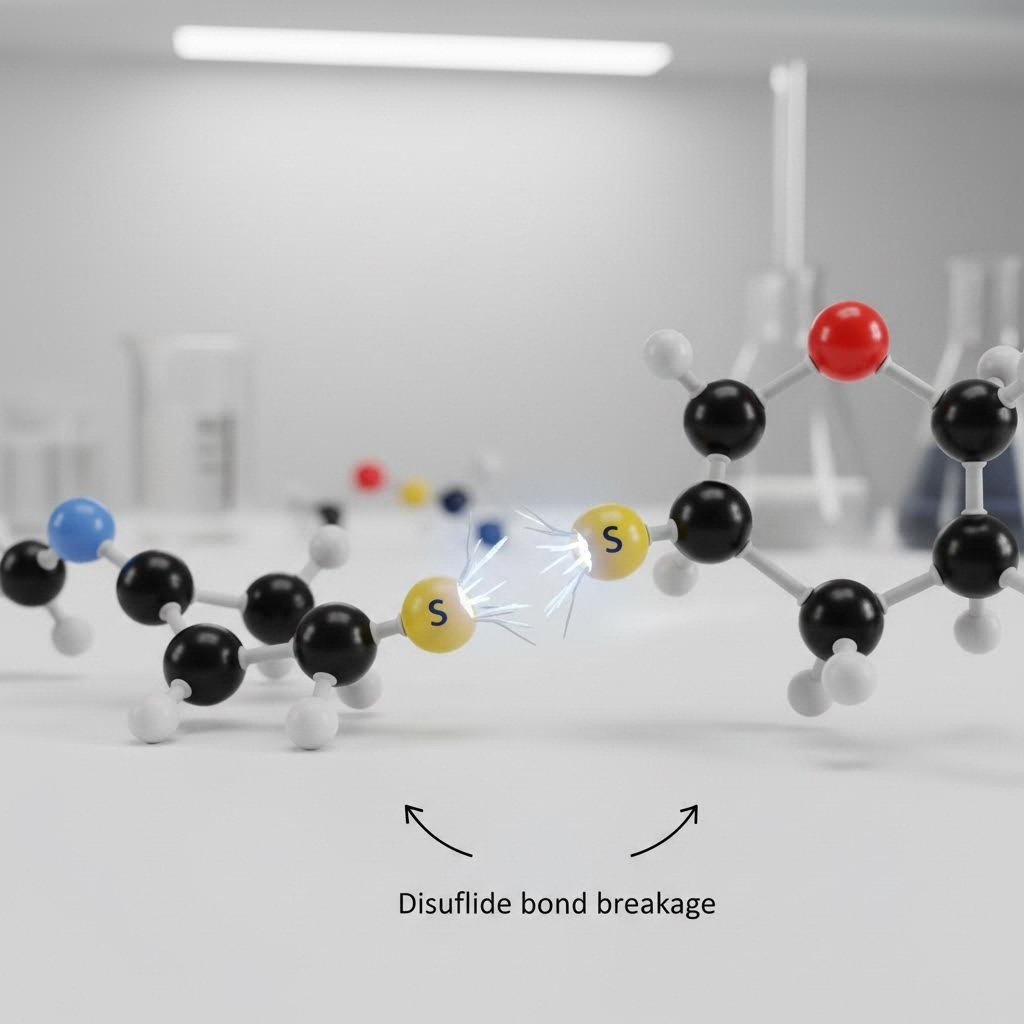 : Insert Image Here – A premium macro shot of a clear acne gel texture beside a minimalist clean beauty lab setting, with visible vegan and cruelty-free cues.
Technical Deep-Dive: How to Engineer Clean Beauty Spot Treatments That Actually Work
1) Salicylic acid remains the most commercially efficient acne anchor
Salicylic acid is the benchmark active for oilier, comedonal, and inflamed acne-prone skin because it is lipophilic, follicularly targeted, and compatible with spot-treatment formats. A comprehensive review of organic acid peels in Molecules summarized that salicylic acid peels are widely used for pore clearing, anti-inflammatory action, and sebum control, with combination systems often outperforming single-acid designs in tolerability and early response.
From a formulation standpoint, salicylic acid is a strong candidate when the buyer wants instant visual payoff without resorting to animal-derived ingredients or heavy occlusives. It can be built into a gel, serum, drying lotion, hydrogel patch, or targeted spot balm, depending on the required sensorial profile and market channel.
Practical technical parameters used by commercial suppliers typically include 0.5% to 2% salicylic acid for leave-on spot care, a finished pH around 3.0 to 4.0 for efficacy, and viscosity control tuned for dot-application, smear-free drying, or non-drip spot coverage. In peel literature, salicylic acid strengths commonly range from 20% to 30%, which is why manufacturing discipline matters when translating a peel active into a consumer spot-treatment format.
2) Barrier support is no longer optional
The biggest error in acne product development is over-indexing on visible dryness, because consumers may confuse that with performance while actually abandoning the product after irritation. The 2025 salicylic-acid gel study showed that a formula can reduce acne severity while also improving hydration and barrier function, which is exactly the balance premium clean beauty buyers should demand.
That evidence supports a modern architecture: salicylic acid for pore decongestion, niacinamide for visible redness and oil balance, ceramides for barrier resilience, and humectants such as glycerin, sodium PCA, or betaine for user comfort. In this design, the actives system should not feel like a peel; it should feel like a controlled, elegant spot correction system.
For B2B brands, this has direct commercial value. Lower irritation reduces complaint rates, reduces returns, improves repeat purchase behavior, and widens the addressable market to sensitive-skin consumers who otherwise avoid acne solutions.
3) Vegan and cruelty-free claims require ingredient-level scrutiny
“Vegan” is not just the absence of beeswax or collagen. It also means ensuring that no animal-derived emulsifiers, lanolin derivatives, keratin, silk amino acids, snail secretion filtrate, or gelatin-based film formers are hidden in the base system.
“Cruelty-free” is equally nuanced. Brands need supplier declarations, raw material due diligence, and an auditable chain of custody if they want to defend the claim in retail, marketplace, and regulatory environments. Clean beauty consumers are increasingly suspicious of vague ethical language, and many procurement teams now ask for third-party documentation before launch approval.
That is why a clean acne SKU should be designed with source traceability from day one. If a formula uses plant-derived lipids, fermentation ingredients, or synthetic biomimetic polymers, the full bill of materials must align with the claim architecture before scale-up, not after a social campaign goes live.
4) Instant visual effect is a formulation discipline, not a marketing slogan
When a brand asks for “3-minute visible improvement,” the real challenge is not just chemistry. It is how quickly the product lays down a controlled film, diffuses light, absorbs shine, and leaves a perceivable reduction in surface redness or lesion prominence without pilling.
This is where a visual-prioritized formulation engine becomes a commercial moat. You are not simply choosing actives; you are engineering film formers, rheology modifiers, powders, and sensory modifiers to produce a visible result fast enough for short-form video and retail shelf conversion.
That kind of design discipline is especially relevant for TikTok-led acne launches, where consumers often judge efficacy in seconds. If the product cannot show a credible immediate cosmetic effect, the campaign burns media budget before the clinical narrative can take over.
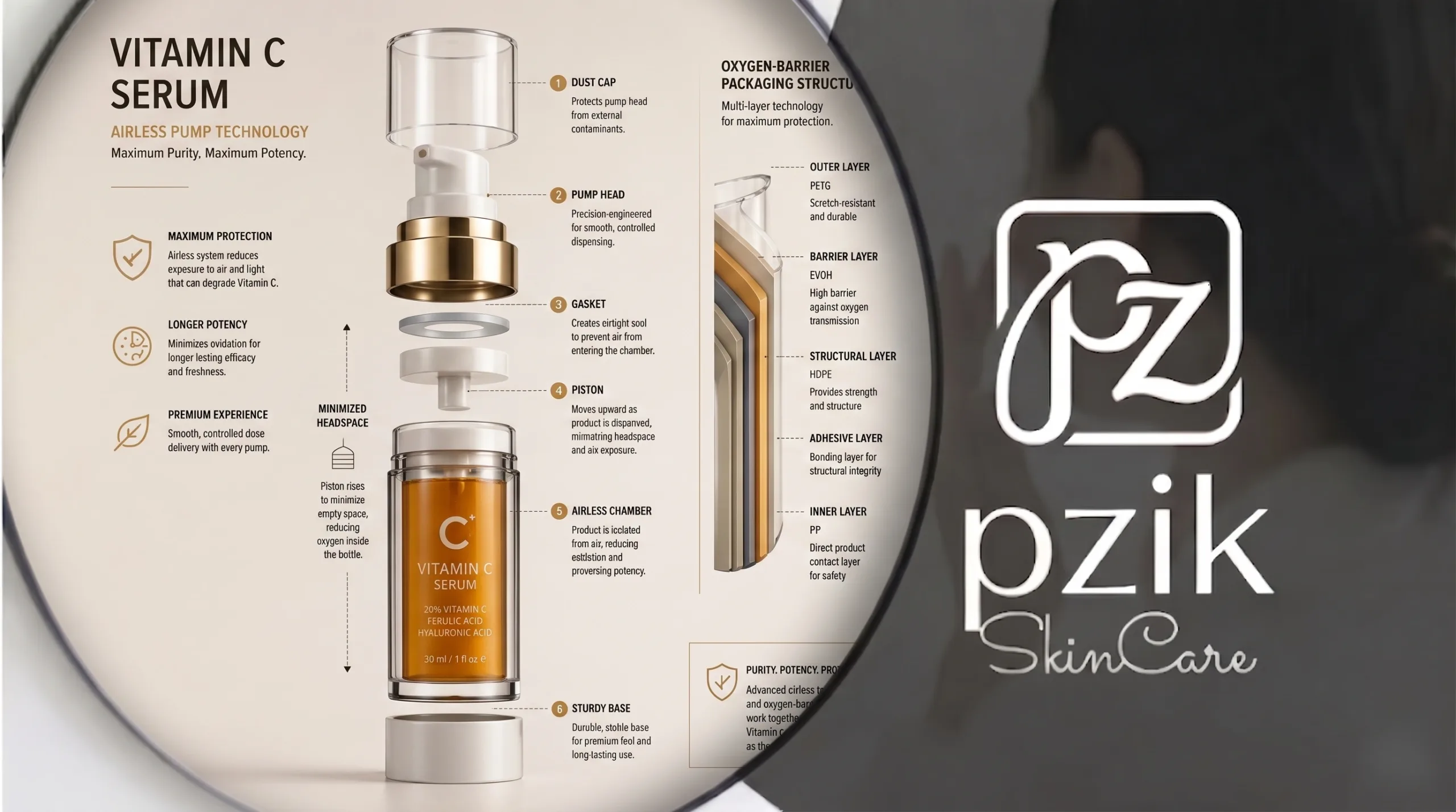
 : Insert Image Here – A high-end cross-section illustration of a spot treatment formula layering salicylic acid, niacinamide, ceramides, and plant-derived humectants.
Customizing Vegan and Cruelty-Free Spot Treatments: The Core Formulation Matrix
A. Gel-based spot correctors
Gel formats are the most flexible for clean acne brands because they support transparency, fast dry-down, and clean, modern sensorial positioning. They also map well to the consumer expectation that acne treatments should feel lightweight rather than greasy.
The commercial formulation stack often includes 1% to 2% salicylic acid, 2% to 4% niacinamide, 0.1% to 0.5% zinc PCA, and a low-residue gelling system such as carbomer or a plant-compatible associative polymer. The challenge is to preserve clarity and viscosity while maintaining pH and preventing active precipitation.
For brands focused on sensitive skin, a gel can be paired with a barrier-support claim, especially when supported by ceramides or soothing agents such as panthenol and allantoin. This is the sweet spot between clinical acne care and daily wearable skincare.
B. Drying lotions and fast-response dot treatments
Drying lotions still sell because they promise overnight visible change, but they can also create excessive flaking if the solvent system is poorly balanced. Vegan and cruelty-free versions usually replace animal-derived binders with mineral powders, botanical starches, or synthetic film technologies.
These systems are especially useful for e-commerce, where consumers often shop for targeted problem-solution products. In this format, the product must separate cleanly, deposit predictably, and dry without leaving a chalky halo that reads as cheap or messy on camera.
Manufacturers should stress-test sedimentation, redispersibility after 24 to 72 hours, and consistency across fill weights. A strong drying lotion that separates too quickly becomes a QC liability at scale.
C. Hydrogel patch and microneedle-adjacent systems
Hydrocolloid patches have normalized the idea that acne care can be tactile, convenient, and socially acceptable. Advanced versions can embed salicylic acid or soothing agents in a controlled-release matrix, although claims must remain aligned with the final regulatory classification.
Patch formats are attractive for cruelty-free brands because they can create visible protection, reduce picking behavior, and provide a straightforward “wear and remove” user story. If the patch uses vegan adhesives and synthetic or plant-based gelling systems, the ethics positioning becomes much easier to defend.
For high-end brands, a patch line can be paired with a spot serum, creating a two-step ecosystem: day treatment for cosmetic control and nighttime patch for containment and localized delivery. That structure often improves basket size and repeat consumption.
D. Hybrid barrier-repair spot serums
This is the most future-proof format for premium clean beauty. It combines acne active efficiency with the sensory elegance of a corrective serum, which broadens usability and reduces the “medicine-only” stigma.
Hybrid systems should be designed around a clear primary claim hierarchy: decongest, calm, and reduce visible breakouts. Everything else, including hydration and barrier support, should reinforce the user’s confidence that the product is doing more than drying out the skin.
For ingredient strategy, a strong hybrid system can include salicylic acid, azelaic-inspired brightening support, niacinamide, ceramides, panthenol, and a fast-absorbing emollient phase based on vegan esters or silicones. The objective is a formula that is clinically credible, cosmetically elegant, and marketplace-safe.
Evidence Base: What the Acne Literature Actually Supports
Not every trending ingredient deserves a place in an acne SKU. The most reliable path is to align with ingredients that have both mechanistic rationale and human data, then customize the vehicle, sensory profile, and claim language for the brand.
In the acne review literature, salicylic acid repeatedly emerges as a best-in-class choice for noninflammatory lesions and sebaceous congestion. The same body of evidence also suggests that combination approaches tend to outperform single-acid designs when tolerability, texture, and user satisfaction are considered together.
Organic acid reviews also show why acid pairing matters. Glycolic acid can contribute exfoliation and brightening, lactic acid can add moisture support, mandelic acid can improve tolerability in more sensitive users, and azelaic acid can support redness and uneven tone, especially where post-inflammatory discoloration is part of the consumer pain point.
For product developers, the key insight is not to chase maximal acid load. It is to build the least irritating system that can still produce a perceivable and repeatable improvement in breakout appearance, sebum behavior, and post-blemish tone.
That is especially true in premium clean beauty, where one irritation event can destroy a five-star product narrative. In the current market, perceived gentleness is not a soft benefit; it is a conversion and retention lever.
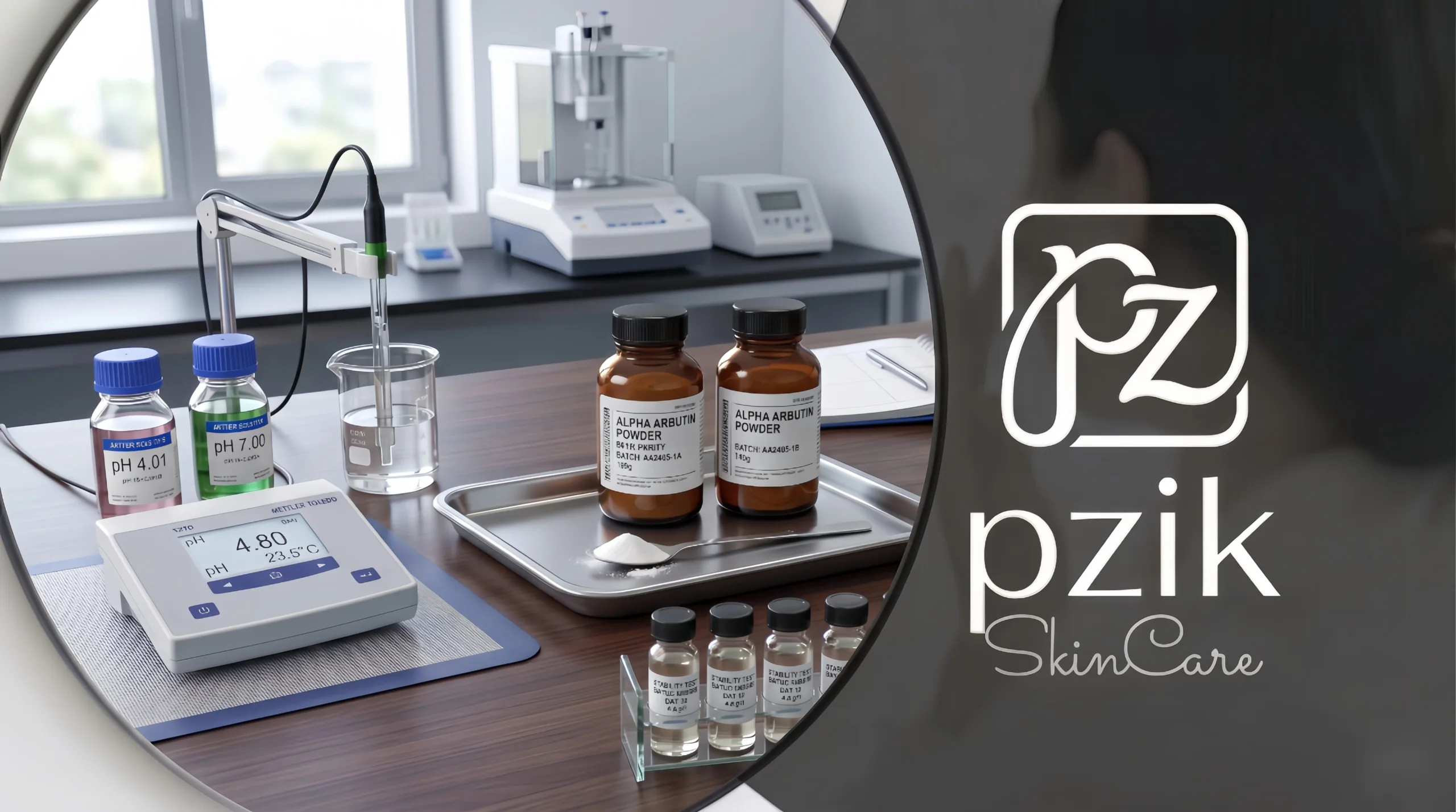
 : Insert Image Here – A professional laboratory scene showing a scientist measuring pH, viscosity, and sample stability for acne spot treatment prototypes.
Supply Chain Failure Modes: Where Acne Spot Treatment Programs Usually Break
1) The raw material substitution trap
When the market tightens, suppliers often swap a declared solvent, thickener, or botanical extract for an “equivalent” material without informing the buyer early enough. In a spot treatment, that can move pH, destabilize a dispersion, alter dry-down, or break the claim language.
The lesson is simple: build an approved-substitution matrix before production starts. If the formula depends on a precise film former, chelator, or acid salt, the sourcing team should lock alternative grades in advance and validate them under the same stress conditions.
2) QC drift across microbatches
Small batches are excellent for speed, but they can hide process drift if the manufacturer lacks disciplined in-process controls. The risk is especially high when the product uses powders, pH-sensitive actives, or visually transparent gels.
A mature plant should be able to document raw material identity, batch-to-batch pH, viscosity, fill accuracy, microbial limits, and appearance within predefined acceptance ranges. If the lab cannot explain why one batch spreads faster or separates differently, the product program is already vulnerable.
3) Market-channel mismatch
An acne serum that performs well in a dermatologist office may fail in Amazon because the packaging, weight, breakage rate, or claim framework is wrong for ecommerce. Conversely, a fast-acting social media formula may not be stable enough for retail warehousing and cross-border shipping.
This is why a one-size-fits-all SKU strategy is expensive. The right approach is to define the channel first, then tune the formula, outer packaging, and logistics plan to that channel’s specific friction points.
4) Documentation lag
Many buyers underestimate how long it takes to prepare a serious compliance dossier. If the product will enter the EU, CPNP notification, product information file support, safety review inputs, and labeling discipline need to be planned during formulation, not after final artwork approval.
For the US, the FDA cosmetics framework and the MoCRA operating environment require stronger traceability, safety substantiation, and adverse event readiness than many legacy suppliers can handle. Clean beauty brands that launch first and document later tend to pay for that mistake in recalls, delistings, and customer trust loss.
SEO Pillar Perspective: Why This Category Belongs in a Single Authority Page
A serious B2B buyer does not need ten shallow pages on acne spot treatments. They need one authoritative pillar that answers formulation logic, clean-label constraints, global compliance, sampling speed, and scale-up risk in one place.
This is exactly why a high-density page should include evidence-based ingredient logic, linkable technical references, and commercial buying criteria. When procurement, product development, and brand teams all read the same source, internal alignment becomes faster and the sourcing decision becomes easier to defend.
For deeper adjacent reading, brands can connect this topic to vegan and cruelty-free formulation strategy for modern beauty brands, low MOQ private label skincare manufacturing for test-and-learn launches, Amazon FBA-ready packaging for lightweight cosmetic SKUs, and global cosmetic compliance under MoCRA and CPNP.
Additional internal references that support a complete launch plan include custom cosmetic formulation development, rapid prototyping and sample development, white-label private label programs, FBA packaging and export logistics, quality and compliance assurance, packaging design and branding support, IP protection and confidentiality protocols, and sustainability and carbon reporting support.
 : Insert Image Here – A global compliance dashboard showing FDA, CPNP, ISO 22716, and MoCRA readiness for a clean acne product launch.
Manufacturing and Compliance: FDA, CPNP, ISO 22716, and the Real Launch Path
In the US, a modern cosmetics supplier must operate with a MoCRA-ready mindset, even when the product is positioned as a cosmetic spot treatment rather than a drug. That means attention to safety substantiation, adverse event processes, traceability, and responsible labeling.
In the EU, CPNP notification and local market readiness can become bottlenecks if the formula, packaging artwork, INCI list, and safety data are not synchronized. A clean acne product with botanical extracts, acids, or film-forming technology can be compliant, but only if the dossier is prepared with regulatory discipline.
ISO 22716 remains the operational baseline for cosmetic GMP, and suppliers should be able to show hygiene control, process documentation, calibration discipline, training records, batch traceability, complaint handling, and retention sample management. If a factory cannot explain its control points in plain language, it is usually not ready for international retail distribution.
For high-growth brands, the best supplier is not the cheapest one. It is the one that can survive an audit, support a claim review, handle a supply disruption, and still ship a 50-piece test run with the same seriousness as a 50,000-piece replenishment order.
This is where a structured white-label and custom-formulation operating model becomes strategic. A brand can launch fast with low cash exposure, validate market response, then move into second-stage optimization once consumer data proves which texture, claim set, and acne narrative are actually converting.
Operationally, the strongest programs are built around four measurable gates: sampling within 3 to 7 days, MOQ starting at 50 pieces, commercial scale-up planning within 14 days of concept lock, and packaging validation that keeps breakage and leakage low across FBA and transshipment routes. Those numbers are not marketing flourishes; they are working capital protection tools.
For compliance-grade source material and technical validation, teams should maintain direct reference access to ISO 22716 cosmetic GMP guidance, the FDA cosmetics regulations and compliance resources, the EU CPNP portal, and published acne evidence indexed through PubMed.
When procurement leaders evaluate a supplier, they should ask for three things immediately: formula ownership terms, batch QC documentation, and claim-support evidence. If any one of those is weak, the project should be treated as a risk, not an opportunity.
Implementation checklist for a low-risk launch
First, define the consumer promise in one sentence. Second, decide whether the product must feel medical, premium-luxury, or social-media-fast-acting. Third, align the active system to that promise with real stability and irritation testing.
Fourth, insist on a pre-scale pilot that validates packaging, shipping resilience, and fill accuracy. Fifth, lock compliance ownership early, because cosmetic claims, ingredient thresholds, and cross-border labeling frequently become the hidden cost center after marketing has already committed spend.
Finally, design for replacement readiness. If one supplier cannot deliver a stable, vegan, cruelty-free spot treatment with credible documentation, the brand should be able to switch without rebuilding the entire product architecture from scratch.
Click to expand: B2B Hardcore FAQ
Q1: What is the realistic sampling timeline for a custom vegan and cruelty-free acne spot treatment?
Answer: A mature supplier should deliver first prototypes in 3 to 7 working days after formula lock. Anything materially slower indicates weak bench capacity, poor raw material access, or excessive dependency on off-the-shelf templates.
Q2: What MOQ is commercially sensible for market validation without overcommitting cash?
Answer: A 50-piece white-label MOQ is ideal for concept testing, while 500 to 1,000 units is usually the first meaningful commercial run for channel data. Lower than that can work for internal tests, but it rarely produces statistically useful sales behavior.
Q3: Can a clean acne spot treatment be effective without using animal-derived ingredients?
Answer: Yes. Salicylic acid, niacinamide, ceramides, plant-derived humectants, fermentation actives, and synthetic biomimetic polymers can deliver strong acne performance while remaining vegan and cruelty-free when sourced and documented correctly.
Q4: How difficult is FDA and CPNP readiness for a spot-treatment launch?
Answer: It is manageable only when compliance is integrated from the start. FDA and EU readiness require label discipline, safety substantiation, ingredient review, documentation control, and packaging alignment before commercial release.
Q5: What is the biggest hidden risk in scaling a viral acne SKU?
Answer: QC drift is the biggest hidden risk. Viral demand often forces rushed replenishment, and if viscosity, pH, fill weight, or microbial control are unstable, the product can lose reviews, trigger complaints, and damage the brand faster than it grows.
Click to expand: B2B Hardcore FAQ
Q6: Which performance metrics should a buyer demand before approving scale-up?
Answer: Buyers should demand pH range, viscosity window, stability under heat and freeze-thaw, microbial compliance, packaging compatibility, and visible-use performance data. Without those metrics, the project is still a concept, not a product.
Launch a Clean, Compliant, High-Converting Acne SKU Without Inventory Anxiety
If your brand needs a vegan and cruelty-free spot treatment that is fast to sample, serious about compliance, and engineered for visual conversion, the development path should be short, auditable, and commercially disciplined.
Request Custom Formulation Support
 : Insert Image Here – A premium commercial hero shot of finished vegan acne spot treatments, packaging, and export-ready cartons for FBA or global distribution.







コメントを追加